Retired NYPD Officer Victor Romero Charged: A Closer Look at the George Washington Bridge Shooting
By Tanya Brooks, PowerVault Staff As the sun dipped below the horizon on a bustling Tuesday evening, a father of two embarked on what would tragically become his final drive across the George Washington Bridge. The rh...

Advertisement

By Tanya Brooks, PowerVault Staff
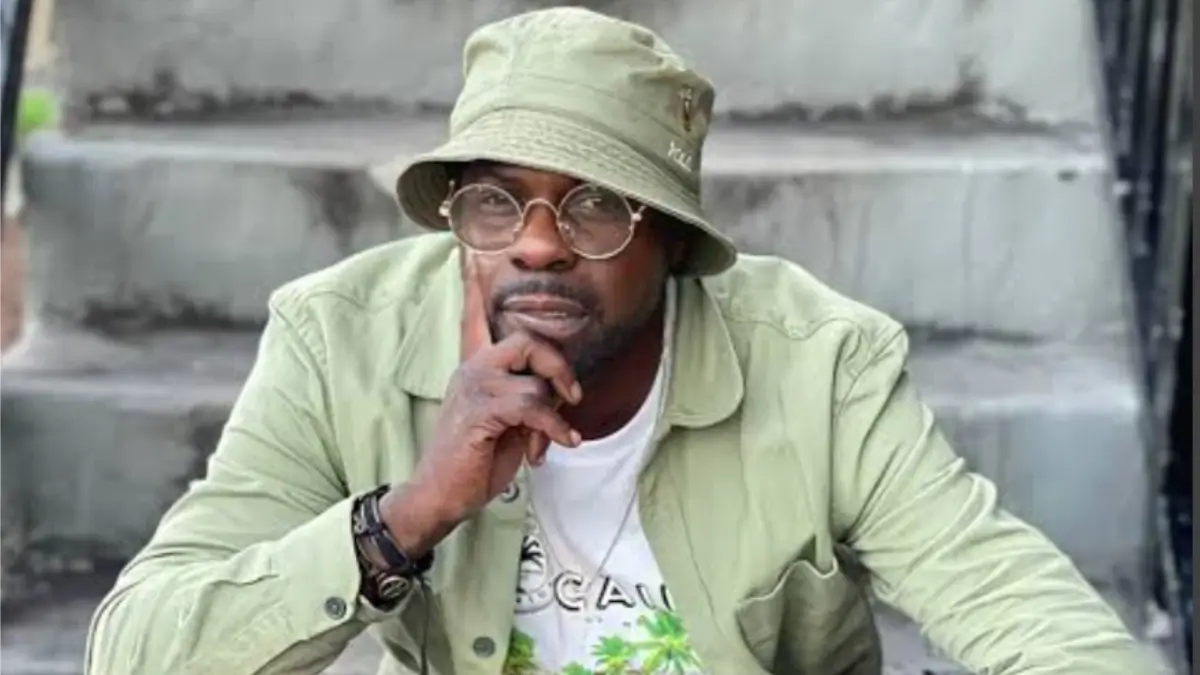
As the sun dipped below the horizon on a bustling Tuesday evening, a father of two embarked on what would tragically become his final drive across the George Washington Bridge. The rhythmic hum of traffic, a familiar backdrop for countless commuters, was abruptly shattered by a single gunshot. This violent act left Koran Irvine, a 46-year-old Con Edison employee, fatally wounded inside his car. This is more than an unfortunate accident; it was a senseless act of violence that has left a tight-knit community struggling to comprehend the loss. Irvine's death has reverberated through the neighborhood, leaving friends, family, and colleagues grappling with the sudden absence of a man known for his kindness and dedication to his loved ones.
Victor Romero, a 62-year-old retired NYPD detective, now faces charges of murder in the death of Koran Irvine, which authorities have described as stemming from a road rage incident. Reports from Fox 5 reveal that Romero was apprehended at his home in Haverstraw, New York, the day following the shooting. He is set to appear in Manhattan Criminal Court as the legal proceedings commence. This case draws a chilling focus on the volatile combination of firearms and unchecked tempers on our roads, raising serious questions about how someone trained to uphold the law could so quickly resort to lethal violence. The incident shows the dangers inherent when individuals with a history in law enforcement misuse their authority, leading to tragic outcomes.
The sequence of events leading to this tragedy began on the upper level of the George Washington Bridge, amidst the bustling westbound traffic. Koran Irvine was reportedly captured on surveillance video as he narrowly avoided a collision with another vehicle. What might have been dismissed as a minor traffic dispute instead spiraled into a deadly conflict. Shortly after this tense interaction, a bullet shattered the back passenger window of Irvine’s blue Volkswagen Golf, delivering the fatal blow. The scene that followed was one of chaos and disbelief, as emergency responders rushed to the site in a desperate attempt to piece together the events leading to Irvine's untimely death. The social post below captures the raw emotions and tensions felt by those who witnessed the aftermath.
Law enforcement sources informed NBC New York that the bullet struck the driver's seat headrest before exiting through Irvine's neck, indicating a degree of precision that suggests a deeply troubling intent. The trajectory and impact of the shot serve as a stark reminder of how quickly situations can escalate when firearms are involved. This is particularly unsettling given that the alleged shooter, Victor Romero, is a former detective, someone who once bore the responsibility to protect and serve. It raises significant concerns about whether certain individuals, despite their training and experience, are capable of exercising the restraint and judgment expected of them. This incident forces us to confront the grim reality of how past professions or statuses fail to insulate individuals from making tragic choices.
As Irvine's car came to an unceremonious halt against the median, the entire span of the George Washington Bridge was effectively brought to a standstill. Traffic ground to a halt, creating a scene of confusion and urgency as law enforcement and emergency services descended upon the bridge. Investigators worked meticulously to sweep the area for evidence, determined to piece together the brief but fatal encounter. Meanwhile, those who knew Irvine began to mourn the loss of a man fondly remembered for his generosity and vibrant spirit. The community's grief is palpable, as is the sense of injustice that such a promising life was cut short in an instant. The outpouring of sorrow and frustration is evident in the reactions shared in the post below.
This heartbreaking event is not an isolated incident but rather part of a disturbing pattern of violence stemming from road rage, particularly involving former law enforcement officers. Victor Romero's history as a shooting victim during an attempted robbery in 2000 has been repeatedly highlighted in media coverage, perhaps as an effort to frame his character in a certain light. However, this narrative detracts from the lethal reality of an ex-cop allegedly turning his firearm on an unarmed Black man. This incident shows a systemic issue that demands thorough scrutiny and accountability. It raises the critical question of how former officers are permitted to carry firearms without sufficient oversight, which can lead to deadly consequences. The broader implications of such incidents extend beyond individual actions and call for systemic change.
Lethal force should never be the immediate response to conflict or confrontation.
A retired detective allegedly resorting to lethal force in a moment of road rage is a chilling reminder of unchecked authority.
A retired detective allegedly resorting to lethal force in a moment of road rage serves as a chilling reminder of the dangers of unchecked authority. It begs an unsettling question: how could someone trained in de-escalation and conflict resolution fail so profoundly to apply those skills? This incident compels us to examine whether some law enforcement officers carry with them an implicit belief that their badge grants them a lifetime of impunity, a belief that can lead to devastating consequences. Such instances reveal how the authority once vested in these individuals can be misused, resulting in irreversible tragedies. We must confront the uncomfortable reality that the systems meant to ensure accountability and restraint may be fundamentally flawed, allowing for abuses of power that have far-reaching repercussions.
The implications for the justice system are profound. The repeated emphasis on Romero's retirement from the NYPD in media reports seems to suggest that his past service might mitigate his actions. However, this notion is deeply flawed. The justice system must demonstrate its capacity to hold its own accountable, ensuring that no one is above the law, regardless of their former position or status. The shooting of Koran Irvine must not become yet another statistic of police-adjacent violence that is brushed aside without consequence. The broader implications of this case for public trust and confidence in the justice system are significant. The YouTube video below gets into these broader societal implications and public sentiments, highlighting the urgent need for reform and accountability.
For the Black community, this incident stirs a cauldron of historical trauma and present-day fears, underscoring the stark reality that a seemingly minor traffic incident can escalate into a life-or-death situation. It calls for a critical examination of the systems that allow former law enforcement officers to carry firearms without ongoing accountability and oversight. We must question whether systemic reforms are needed to redefine the relationship between police, former law officers, and the communities they were sworn to protect. This case highlights the deep-seated issues that persist within our justice system, urging us to reflect on the measures necessary to ensure that all individuals, regardless of their background, are treated equitably and justly, without fear of unwarranted violence or discrimination.
Advertisement
At its core, this case is about race, power, and the dynamics of authority. The veneer of respectability once afforded to a retired officer is shattered when the privilege of carrying a weapon intersects with road rage, leading to fatal consequences. This incident starkly contrasts with the everyday experiences of many Black Americans, who understand all too well that such a lapse in judgment would likely result in a different kind of justice for them. As we explore these dynamics, we must remain vigilant in demanding accountability, not only for this specific case but as part of a broader systemic effort. The pursuit of justice and reform requires unwavering dedication to ensuring that power is not abused and that all communities are protected equally under the law.
The legal proceedings against Victor Romero will be closely watched, not only for the justice it should deliver to Koran Irvine's family but also for what it signifies about our collective values and the integrity of our justice system. Will the system rise to the occasion and uphold the principles of accountability and fairness, or will it falter under the weight of its biases and systemic shortcomings? As the community rallies for justice, we must ensure that this story remains in the public consciousness. Whether through ongoing protests, media coverage, or legislative action, the push for accountability and reform is far from over. The future demands our active engagement and commitment to creating a society where such tragedies are not repeated.