Gina Hinojosa Wins Texas: What It Means for Black Texans
By Andre Coleman, PowerVault Staff Texas has flipped the script in a way that few saw coming. In an eye-opening and historic political shift, Democrats have seized control of the governorship, the state House, and a S...
Advertisement

By Andre Coleman, PowerVault Staff
Texas has flipped the script in a way that few saw coming. In an eye-opening and historic political shift, Democrats have seized control of the governorship, the state House, and a Senate seat. This is more than a change in party leadership; it's a monumental shift that reverberates through the social and political scene of the state. For Black Texans, who have long been marginalized by policies that prioritize corporate interests and the wealthy over community needs, this election is a seismic event. It's a chance for a new direction in governance, one that could finally address the systemic issues that have kept communities of color on the fringes for decades. The political earthquake rocking the Lone Star State is a clarion call for transformation, one that Black Texans have been demanding for generations.
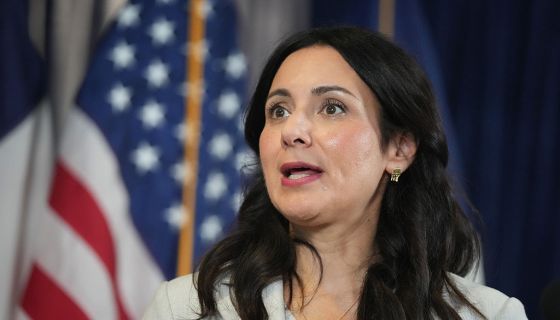
Under the leadership of Governor-elect Gina Hinojosa, there's a commitment to dismantle the harmful GOP policies that have kept essential services like healthcare, affordable energy, and quality education out of reach for many Texans, especially those in marginalized communities. As detailed by The Washington Post, Hinojosa is laser-focused on reversing these longstanding injustices. Her plans include imposing a moratorium on the expansion of data centers, which have contributed to skyrocketing energy costs and environmental concerns, and firing the state superintendent of schools. This superintendent has been notorious for enacting policies that have disproportionately harmed public school students, particularly those from low-income and minority backgrounds. Hinojosa’s agenda signals a shift towards equity and access, aiming to create an environment where every Texan has the opportunity to thrive.
But let's keep it real, expecting the Texas Republican establishment to take this L gracefully is naive at best. The GOP-controlled state legislature is already cooking up moves to clip Hinojosa's wings before she even gets started. This playbook isn't new. Remember when North Carolina Republicans pulled similar stunts in 2024 to hamstring incoming Democratic legislators? Hinojosa is fully aware of these tactics and she's not backing down. She's calling out these maneuvers for what they are: an affront to democracy and a disrespect to the will of the Texas people. 'The people of Texas have spoken,' she declared with conviction, emphasizing the critical need for respecting the voters’ mandate. Her resolve is clear, she’s ready to fight for the changes Texans have voted for, and she's not about to let political games get in the way.
Governor-elect Gina Hinojosa's approach is straightforward and unyielding as she addresses the challenges ahead. In the clip below, she articulates her vision with a clarity and determination that resonates deeply with Texans who are yearning for change. Her words are not just political rhetoric; they are a promise to the people who have long been ignored and underserved. With a focus on transparency and accountability, Hinojosa outlines her commitment to dismantling the harmful policies that have plagued the state for years. She calls for unity and action, urging all Texans to come together and work towards a better future. Her speech is a rallying cry for those who have been marginalized and a call to action for those who have the power to effect change. Watch as she lays down the foundation for what could be a transformative era in Texas politics.
Particularly in education, Hinojosa's agenda faces uncertain terrain. The Republican-led push to ban DEI initiatives and censor college curriculum has left educators wary, unsure whether these laws can be undone or merely stopped from worsening under her leadership. As The New York Times highlights, there's cautious optimism among educators like Pauline Strong, who sees a glimmer of hope amid what she calls 'very dark times' on campus. The threat to academic freedom and diversity in education is real, with far-reaching implications for students of color who have already faced systemic barriers. Hinojosa's challenge lies in handling a deeply entrenched system resistant to change, but her election brings a renewed sense of possibility. Educators are hopeful that her administration will advocate for inclusive policies that reflect the diverse needs of Texas students and create a more equitable educational scene.
Watch as Hinojosa addresses the complexities ahead in the video below. Her candid discussion explains the layered challenges she faces in steering Texas towards a more equitable future. From tackling the deeply ingrained partisanship in the state legislature to addressing the systemic inequalities that have long plagued marginalized communities, Hinojosa's vision is both ambitious and necessary. Her commitment to transparency and inclusivity is evident as she speaks about her plans to engage with all Texans, regardless of political affiliation, in a dialogue aimed at finding common ground and forging a path forward. This is more than about political maneuvering; it's about creating real, lasting change that benefits everyone in the state. Her words resonate as a call to action for those who believe in a more just and equitable Texas, and her leadership represents a beacon of hope in a time of deep division.
For those who've been counting on this moment, the history runs deep. From Ann Richards’ governorship in the early '90s to Beto O'Rourke's near-miss against Ted Cruz, the fight to turn Texas blue has been long and hard-fought. Black and Brown communities have been the backbone of this struggle, tirelessly mobilizing despite voter suppression tactics designed to keep them at bay. This win is their triumph.
Hinojosa's election is a wake-up call that even in red states, the call for change can no longer be ignored.
Hinojosa's election is a wake-up call that even in red states, the call for change can no longer be ignored. This victory isn't just a blip on the political radar; it's proof of the power of grassroots organizing and the determination of Black and Brown communities to shape their own destinies. For years, these communities have been mobilizing against a backdrop of voter suppression and systemic disenfranchisement, yet their voices have finally broken through. Hinojosa's win signals a shift in the political scene, one where the concerns of marginalized communities are finally being brought to the forefront. It's a reminder that when people unite for a common cause, even the most entrenched political establishments can be challenged and changed. The message is clear: change is not just possible, but inevitable, and those in power would do well to heed this new reality.
Let's not sugarcoat it: this could be a game-changer for Black Texans. Reversing regressive policies on healthcare and education isn’t just about political points. It's about tangible improvements in the lives of those often left behind. With these sweeping changes, Hinojosa could set precedent for what a Blue Texas might look like. It's about ensuring that communities who have been historically marginalized and underserved finally get a seat at the table. If successful, these policy changes could provide Black Texans with better access to healthcare, improved educational opportunities, and a fairer justice system. These are not just abstract political goals but concrete steps toward social and economic justice. Hinojosa's leadership could redefine what it means to lead a state as diverse and dynamic as Texas, paving the way for a more inclusive and equitable future.
Still, this doesn't mean the road ahead is smooth. Hinojosa will need to adopt a more moderate approach to build coalitions in a historically Republican stronghold. Yet this very challenge is what makes her agenda that much more critical. It's a test of whether bipartisanship can truly serve the needs of all Texans, not just the privileged few. Hinojosa is tasked with bridging the gap between deeply divided parties, a task that requires both political savvy and genuine commitment to inclusivity. Her success hinges on her ability to engage with those who may not share her political views but are united in their desire for a better Texas. This is more than about political survival; it's about creating a governance model that prioritizes the needs of the people over partisan bickering. By fostering dialogue and collaboration, Hinojosa has the opportunity to redefine what leadership looks like in a state as complex and diverse as Texas.
The racial and socio-economic undertones in this political shift are impossible to ignore. Black Texans have long faced systemic barriers, from discriminatory housing policies to an education system that underfunds schools in their neighborhoods. This new leadership provides a chance, albeit slim, to finally address these inequities head-on. The election of Hinojosa represents a potential turning point in the fight for racial and economic justice. It's an opportunity to dismantle the structures that have perpetuated inequality and to rebuild them in a way that serves all Texans equitably. This shift calls for a reevaluation of policies that have historically marginalized communities of color, and it challenges the status quo to create a more inclusive and just society. While the path forward is fraught with challenges, the potential for meaningful change is now within reach, and it's a chance that must not be squandered.
Advertisement
So, what's next? Hinojosa and her team have a chance to prove that their vision isn't just rhetoric. They need to hit the ground running, showing Black Texans that their votes weren't cast in vain. If they succeed, it could change the political scene not just in Texas but across the nation. Eyes are on Texas now, and the stage is set for a new era. Hinojosa just has to deliver. Her administration must prioritize transparency, accountability, and engagement with communities that have been historically marginalized and voiceless. By implementing policies that reflect the needs and aspirations of these communities, Hinojosa has the opportunity to redefine what it means to govern with equity and justice at the forefront. The stakes are high, but so is the potential for transformative change. The nation is watching, and Texas could very well become a blueprint for inclusive governance in the twenty-first century.
More from PowerVault Network: