Keisha Lance Bottoms Makes History: First Black Woman Governor
By Andre Coleman, PowerVault Staff Keisha Lance Bottoms has shattered a glass ceiling, becoming the first Black woman elected as a governor in U.S. History. Her groundbreaking victory in Georgia, where she triumphed o...
Advertisement

By Andre Coleman, PowerVault Staff
Keisha Lance Bottoms has shattered a glass ceiling, becoming the first Black woman elected as a governor in U.S. History. Her groundbreaking victory in Georgia, where she triumphed over Republican billionaire Rick Jackson, reverberates far beyond the state's borders, marking a significant historical moment for the nation as a whole. This win is not merely a personal achievement for Bottoms but a symbolic victory for Black women across America, who have long been underrepresented in the highest echelons of political power. In a state often seen as emblematic of deep-rooted political divides, Bottoms' success signals a transformative shift toward inclusivity and progressive governance. Her election is a powerful testament to the changing dynamics of American politics and the growing influence of Black leadership on the national stage.
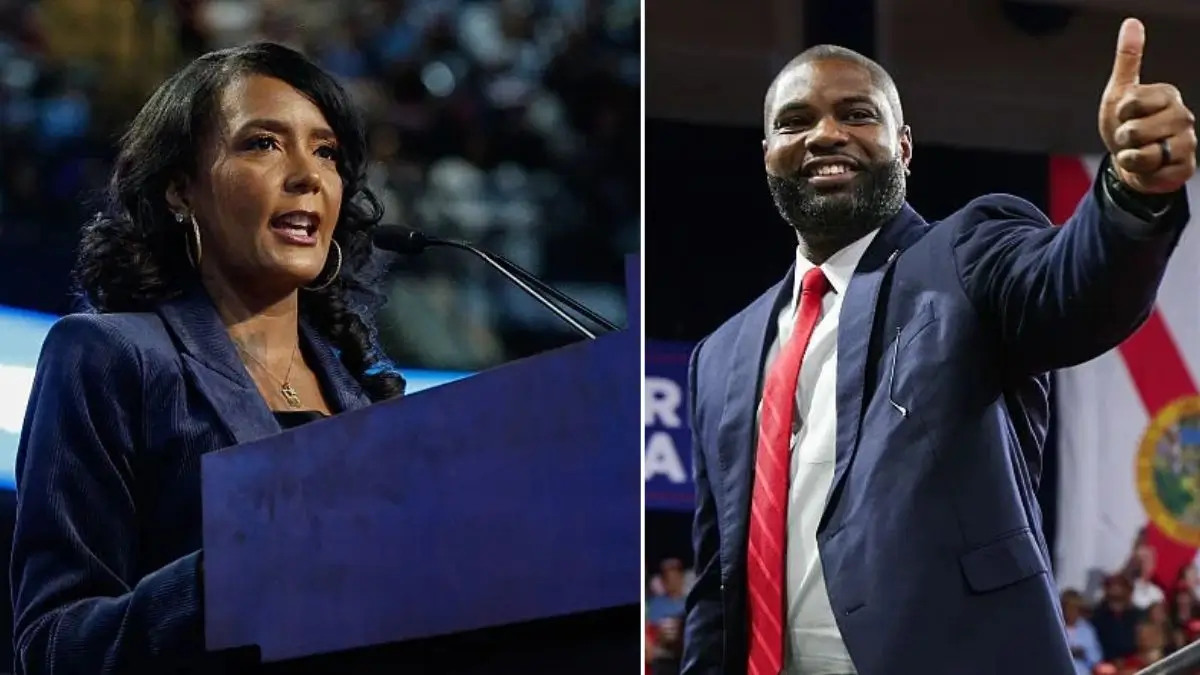
This electoral triumph didn’t just elevate Bottoms; it signaled a shift in political dynamics that cannot be overstated. As highlighted by Atlanta Black Star, Bottoms' win is part of an unprecedented moment in American politics where, for the first time, five Black governors will serve simultaneously. This historic group includes Democrat Wes Moore in Maryland, Republican Byron Donalds in Florida, Democrat David Crowley in Wisconsin, and Democrat Aaron Ford in Nevada. Each of these leaders brings a unique perspective and set of priorities to their roles, reflecting the diverse political scene in which they operate. Bottoms, with her progressive platform and commitment to community-driven policies, stands alongside these governors as a beacon of change, highlighting a broader trend of increasing diversity and representation at the highest levels of state governance.
Bottoms, the former mayor of Atlanta, was already a prominent figure, but this victory has catapulted her into a new realm of political influence. Her campaign was not just about winning an election; it was about advocating for progressive policies and a commitment to community engagement that resonated deeply with voters across Georgia. This approach led to a decisive win over Jackson, a victory that says a lot about the electorate's desire for change. In her acceptance speech, she emphasized her mission to bring about real change, stating, "I wasn’t just running to make history, but to bring about real change." Her message, centered on addressing systemic issues and fostering equitable growth, clearly struck a chord with the voters, as evidenced by the overwhelming support she received.
Keisha Lance Bottoms' rise to governorship has sparked a wave of celebration and reflection across social media, garnering reactions from Hollywood to hip-hop. Celebrities and influencers alike, including Kandi Burruss and Killer Mike, have expressed elation over this political milestone. The energy is palpable, and for many, it's a long-awaited shift toward more inclusive representation in American politics. This moment is not just about a single victory; it's a reminder of the power of representation and the impact that diverse leadership can have on policy and perception. The cultural significance of Bottoms' win resonates deeply, highlighting the intersection of politics and popular culture in shaping the narrative of progress and change.
As Black leaders ascend to roles of significant political power, the implications of such progress cannot be understated. Wes Moore's re-election in Maryland and Byron Donalds' historic win as Florida’s first Black Republican governor highlight a broader narrative of increasing diversity and influence. These victories are not just symbolic; they represent a tangible shift in the political scene, where leaders from diverse backgrounds are taking the helm and pushing for policies that reflect the needs of a broader constituency. The significance of these victories is captured perfectly in the social media reactions below, where the excitement and optimism for a more inclusive political future are palpable. This trend of rising Black political influence is reshaping the narrative and paving the way for a more equitable political scene.
This is more than an isolated triumph; it’s part of a broader historical context of Black political resilience that has been building for generations. Since Reconstruction, Black leaders have fought tooth and nail against systemic barriers to achieve representation and bring about change. From the civil rights movement to Obama’s presidency, these milestones represent steps toward a more equitable political scene, yet the battle is far from over, as racial and systemic inequalities persist. The journey to this moment has been long and arduous, marked by countless struggles and hard-won victories. It is proof of the enduring spirit and determination of those who have paved the way for this new era of Black political leadership. Despite the progress, the ongoing fight for racial justice and equality remains as critical as ever.
But let’s not get it twisted, this is just the beginning.
Keisha Lance Bottoms' victory isn’t just a win in Georgia; it’s a seismic shift that challenges the political status quo.
Keisha Lance Bottoms' victory isn’t just a win in Georgia; it’s a seismic shift that challenges the political status quo on multiple fronts. It sends a powerful message that Black women are not just here to participate, they’re here to lead and effect meaningful change. This is more than symbolic; it's a call to action for systemic change in governance, highlighting the urgent need for policies that genuinely serve marginalized communities. Bottoms' election is a clarion call to dismantle the barriers that have historically excluded Black voices and to create a political system that is truly representative of its diverse populace. Her leadership offers a blueprint for how governance can be inclusive, community-focused, and driven by a commitment to justice and equity.
For the political establishment, this is a wake-up call that cannot be ignored. The era of underestimating Black political power is over, and Bottoms' win is proof of the growing demand for leaders who reflect the diversity of their constituents. Her victory shows the necessity of prioritizing policies that address racial and economic disparities, issues that have too long been sidelined in mainstream political discourse. As noted in Wendell Pierce’s reflection below, these victories serve as a powerful reminder of the potential for transformative change when leaders are truly representative of the communities they serve. The political scene is shifting, and with it, the understanding that inclusive governance is not just an ideal but an imperative.
For the Black community, this is both validation and motivation, underscoring the power of collective action and the importance of civic engagement. It’s a reminder of the progress made and the work still needed to dismantle systemic racism in politics. These victories affirm that when Black voices are heard and Black votes are counted, change is not only possible but inevitable. The energy from these wins should be harnessed to continue pushing for representation and policies that uplift the community, ensuring that the momentum gained translates into sustained progress. This is a moment to celebrate, yes, but also to strategize and mobilize, to keep the pressure on and ensure that the fight for racial justice and equity remains at the forefront of political action.
The underlying dynamics of race and class in these victories can't be ignored. Bottoms' triumph over a billionaire opponent shows the power of grassroots organizing and the growing influence of Black voters in states traditionally dominated by conservative politics. Her victory aligns with the recent trend in Southern states where rising Black voter turnout has reshaped political outcomes, as discussed in our coverage on rising Black voter turnout. This shift is not just about numbers; it's about the empowerment of communities that have long been marginalized and the assertion of their rightful place in the political process. As more Black voters engage and make their voices heard, the political scene will continue to evolve, reflecting a more inclusive vision for the future.
Advertisement
Looking ahead, the focus turns to governance and the critical task of translating electoral victories into tangible policy outcomes. How these newly elected Black governors handle their respective states will be closely watched, as they have an unprecedented opportunity to enact policies that prioritize equity and justice, setting a precedent for future leaders. For the Black community, this is a moment to celebrate and strategize, ensuring that this wave of victories leads to concrete, positive change. We must stay vigilant and involved, holding our leaders accountable while pushing for continued progress in the fight for racial justice. The stakes are high, and the potential for transformative change is immense, but it will require sustained effort and unwavering commitment from all of us.
More from PowerVault Network: