How 9/11 Inspired Iconic Tribute Songs from Black Artists That Still Resonate Today
By Marcus Ellison, PowerVault Staff On a clear September morning in 2001, the world watched in horror as the Twin Towers fell, shattering a collective sense of safety and normalcy. Twenty-two years after that fateful...
Advertisement

By Marcus Ellison, PowerVault Staff
On a clear September morning in 2001, the world watched in horror as the Twin Towers fell, shattering a collective sense of safety and normalcy. Twenty-two years after that fateful day, the haunting memories of loss still echo, not just in the minds of those who lived it, but also through the poignant sounds crafted by artists who used their platforms to process grief and promote healing. While the date brings back a flood of painful memories, it also serves as a reminder of the resilience of the human spirit, and how music can help us grapple with tragedy. Black musicians, in particular, have channeled the emotions of that day into powerful tribute songs that resonate with listeners long after the initial shock faded.
Many people remember exactly where they were when they heard the news, grappling with a whirlwind of emotions: fear, anger, sorrow. For Black artists, whose narratives often intersect with themes of endurance and hope, the aftermath of 9/11 became a canvas for expression. Artists like Alicia Keys, who would later become a voice of empowerment for many in the community, released tracks that spoke not just to the events of that day but also to the broader struggles against injustice and adversity. In the wake of such despair, these songs became more than just tributes; they transformed into anthems of resilience.
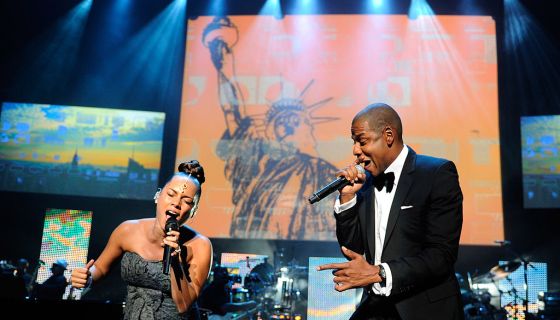
Alicia Keys’ "Love It or Leave It Alone" held a mirror to the struggles faced by many Americans post-9/11, reflecting a raw vulnerability while rallying for unity. Her soulful delivery and heartfelt lyrics addressed the intricacies of pain and recovery, resonating deeply with those who felt lost in the aftermath. It’s a prime example of how music serves as both a balm and a rallying cry, connecting individuals who share similar experiences. As we reflect on these memorial songs, it’s clear that they are not merely about mourning; they are also about celebrating life and the unbreakable bonds formed through shared hardship.
But what is it about these artists that allows them to articulate such profound feelings? It’s the cultural legacy of Black music, rooted in the rhythms of resilience, that enables them to address sorrow with a powerful mix of vulnerability and strength. From gospel to hip-hop, the ability of Black artists to weave narratives of struggle into their music has shaped the landscape of the industry. They take the heartache from societal wounds and channel it into creation, reminding listeners that pain can lead to beauty. This is particularly important in the context of 9/11, where the intersection of fear, loss, and hope ignited a powerful wave of creativity.
In the years following the attacks, several tribute songs emerged, each a unique expression of the artists’ interpretations of grief and resilience. For instance, the late great Whitney Houston, whose rendition of "The Star-Spangled Banner" at the Super Bowl in 2001 became a cultural touchstone, was later revisited as a moment of collective healing. Her powerful voice became synonymous with patriotism, but there was also a deeper layer of connection for many Black Americans who found solidarity in her artistry during a time when the nation felt divided. In blending the personal with the national, Houston’s performance transcended mere entertainment; it was a declaration of unity.
Yet, even as these artists uplift and inspire, it’s crucial to recognize the undercurrents of racial tension that often color discussions around 9/11. For many in the Black community, the tragedy was layered with the ongoing struggle against systemic racism, prejudice, and violence. The years following the attacks saw a rise in Islamophobia, with Black Muslims facing unjust backlash that compounded their trauma. This raises an important question: how do we reconcile our collective grief with the realities of division and discrimination that persist in society? It’s essential to recognize these tensions as we honor the music that arose from this period. The songs crafted during this time do not exist in a vacuum; they are part of a larger narrative about race, identity, and belonging in America.
As we revisit these memorial songs, they remind us of the urgency to continue the conversations that arose in their wake. Songs like "Where Were You (When the World Stopped Turning)" by Alan Jackson, while not by a Black artist, became part of the collective soundtrack of this tragedy, and have since inspired remixes and tributes by various Black artists, further emphasizing the universality of the human experience when faced with loss. The interplay between different genres and voices has created an ecosystem where tributes to 9/11 are not solely the domain of one community but a shared expression of humanity.
Advertisement
Moving forward, it’s vital that we continue to uplift and celebrate the music that springs from these historical events. These songs are not just relics of a past tragedy, but living pieces of art that can inspire future generations. They serve as reminders that through pain, creativity can flourish and communities can unite. This 9/11 anniversary calls for both remembrance and reflection,not just on the events of that day, but on the collective journey that followed. Celebrate the artists who bravely put their pen to paper, using music as a tool to navigate grief and loss, ultimately creating something beautiful from the ashes of tragedy.
As we listen to these tribute songs, let’s challenge ourselves to think critically about their impact. What do they say about the fabric of our society? More importantly, how can we, as individuals and as a community, take inspiration from these artists to be voices for change? In a world that often feels divided, the ability to connect through art is more crucial than ever. Let’s not just remember the past; let’s use it to inspire a better future, one that honors the memories of those lost while advocating for justice and unity.