Kaitlyn Kuhn's Child Endangerment Case: A Tragic Consequence and Systemic Failures
By Malik Carter, PowerVault Staff The courtroom sat silent, a grim anticipation hanging in the air as Kaitlyn Kuhn, a 33-year-old mother, faced her sentencing in Belmont County, Ohio. The gravity of her actions on Nov...
By Malik Carter, PowerVault Staff
The courtroom sat silent, a grim anticipation hanging in the air as Kaitlyn Kuhn, a 33-year-old mother, faced her sentencing in Belmont County, Ohio. The gravity of her actions on November 29, 2025, had been building up to this moment, with the tragic death of her 9-month-old baby serving as a catalyst for public scrutiny and debate. For months, the case had captured attention, not just for its heartbreaking nature but for the broader questions it posed about parental responsibility and systemic oversight. As Kuhn stood before the judge, the silent courtroom bore witness to the culmination of a tragedy that had reverberated through the community, highlighting the vulnerabilities within both personal lives and institutional frameworks.
Kuhn was sentenced to two years in prison after pleading guilty to charges of child endangerment. Authorities stated that she co-slept with her infant, leading to the accidental suffocation of the child during the night. Regional NBC affiliate WTOV reported that Kuhn faced a potential three-year sentence but opted for a plea deal, which was carefully negotiated by her public defender and the prosecution. The agreement was accepted by the presiding judge, marking the conclusion of a profoundly tragic chapter. However, the plea bargain did not silence the ongoing debate about the adequacy of existing oversight and the equitable distribution of accountability in such cases. These unresolved questions linger, casting a long shadow over the courtroom proceedings and reflecting wider societal concerns.
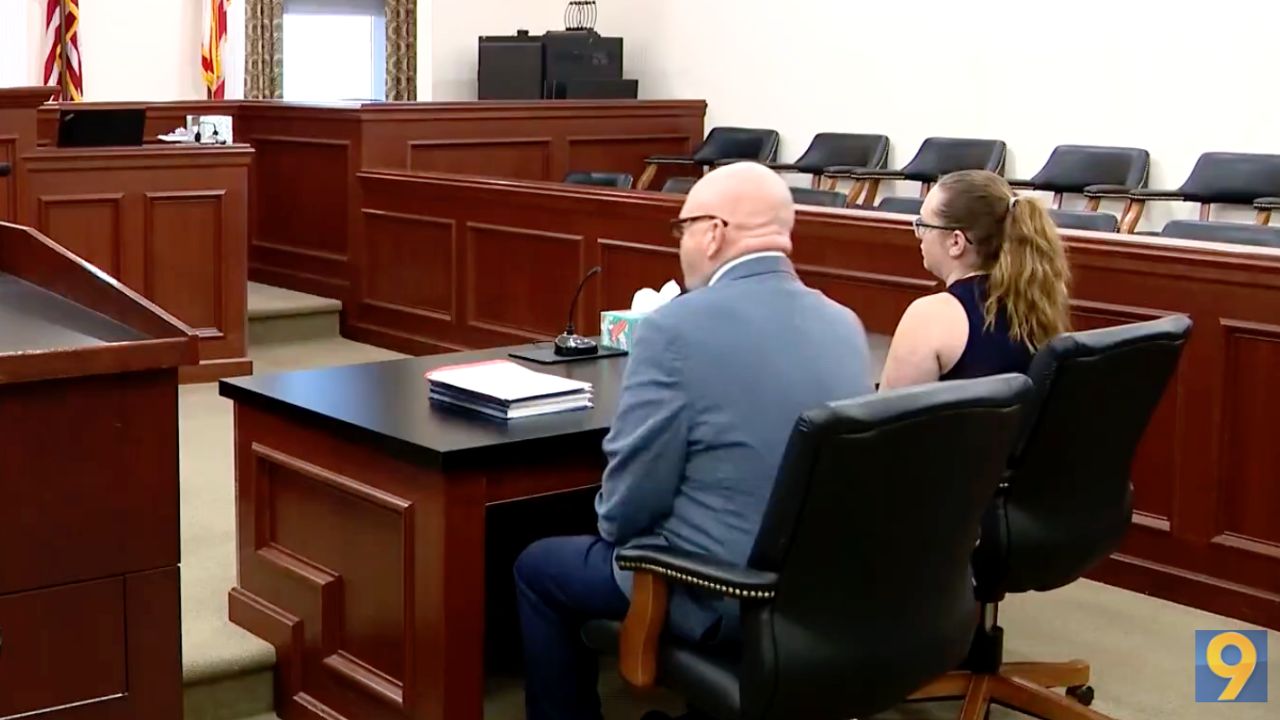
The night of the incident was devoid of any immediate chaos, yet the aftermath was as catastrophic as it was silent. According to Belmont County Assistant Prosecutor Joseph Vavra, emergency responders arrived to a heart-wrenching scene: a mother lying unconscious beside her lifeless child, following a 911 call that had alerted authorities to the home. Forensic findings confirmed that co-sleeping had resulted in the baby's suffocation, a tragedy compounded by the discovery of drugs in Kuhn's system. This added a complex layer to the case, raising questions about the mother's state of mind and the factors contributing to her impaired judgment. The courtroom video captures Kaitlyn's somber presence, offering a stark visual to the narrative that unfolded.
Kuhn's defense did not contest the account, with her public defender acknowledging the tragedy as a 'horrible incident' that Kuhn will have to live with for the rest of her life. The courtroom served not merely as a venue for legal reckoning but as a mirror reflecting both societal failures and personal choices. This poignant recognition highlighted the profound, enduring impact of the night's events, emphasizing the intersection of personal accountability and systemic shortcomings. The defense's acknowledgment underscored a broader narrative about the human cost of such tragedies and the deep-seated issues within the justice system that often remain unaddressed.
In a case mired with personal loss, Kuhn chose not to speak before her sentencing. Her silence spoke volumes, serving as proof of the weight of a tragedy no words could adequately convey. As the legal proceedings drew to a close, the lingering questions about systemic oversight and parental support remained unresolved. The court's decision, encapsulated in the accompanying video, leaves much to be examined within the larger justice ecosystem. This silence, though seemingly passive, demands a more profound reflection on the collective responsibility of society to provide adequate support and intervention before such tragedies occur.
The issue of co-sleeping deaths is not new, with a history that stretches back over decades. Past cases, such as the 2019 ruling in Texas where a similar incident resulted in manslaughter charges, highlight a recurring pattern that continues to haunt communities. Despite interventions by health departments and advocacy groups, the tragedies persist, raising critical questions about the effectiveness of existing policies. This case forces us to critically evaluate what has truly changed or improved for families at risk. The persistence of these tragedies suggests that more comprehensive strategies are needed, encompassing education, outreach, and perhaps more stringent regulations to safeguard vulnerable infants.
But who truly bears the burden of societal change, and how do we measure its effectiveness?
A system that often fails parents facing struggles is as guilty as the actions in any isolated incident.
While the focus remains on Kuhn's actions, it opens the floor to a broader discussion on systemic accountability. The legal system often isolates individuals, targeting them without addressing the societal structures that failed them. This incident shows the need to reassess how we support vulnerable parents and scrutinize systemic inadequacies that contribute to such tragedies. It highlights the necessity for a holistic approach that encompasses not only punitive measures but also preventive strategies that address the root causes of these incidents. If the system continues to overlook these factors, it risks perpetuating a cycle of tragedy and blame.
Additionally, Kuhn's case reflects on the societal pressures and lack of resources available to parents, particularly in economically disadvantaged communities. In areas where support systems stagger under socioeconomic burdens, the consequences are often borne by the innocent. A system that frequently fails parents facing struggles is as culpable as the actions in any isolated incident. The broader context of economic disparity and limited access to resources plays a significant role in shaping the environment in which such tragedies occur, demanding a reevaluation of how support and resources are allocated to at-risk families.
For those reading and watching this tragedy unfold, it casts a light on the thin line between negligence and tragedy. It invites a sober discussion about the adequacy of parental guidance, the availability of drug intervention programs, and the role of public health initiatives in preventing similar incidents. The community's role in advocating for systemic reforms becomes even more crucial when personal tragedies like Kuhn's are preventable. By engaging in these discussions, we can work towards a future where such tragedies are less frequent, and vulnerable families receive the support they need to thrive.
Dig deeper, and the issue intertwines with class and access to resources. The economic disparities that exist in communities like Belmont County often dictate the quality of life and the level of access to healthcare and education. It's not just a matter of personal failing but rather a reflection of a social structure that edges some families closer to the brink. Addressing these disparities requires a concerted effort to bridge the gaps in resource allocation and ensure that all families have equal opportunities to support and educate themselves, thereby reducing the risk of preventable tragedies.
Moving forward, the narrative must shift from punitive measures to constructive reform. With a focus on policy change and community support, the system can aim to prevent future tragedies. As Kuhn begins her sentence, the rest of society must grapple with the implications and foster dialogue around meaningful change. What we do next will define how we support vulnerable families and ensure that the justice system does not simply apply band-aid solutions. By prioritizing long-term strategies over short-term fixes, we can create a more equitable and supportive environment for all families.