Montrell Jolly's 55-Year Sentence: What Ke'andre's Tragedy Reveals About Systemic Failures
By Marcus Ellison, PowerVault Staff The house on North 13th Street in Lafayette, Indiana, was shrouded in a smoky haze, the odor of marijuana hanging heavily in the air. This eerie setting was not just a backdrop but...
By Marcus Ellison, PowerVault Staff
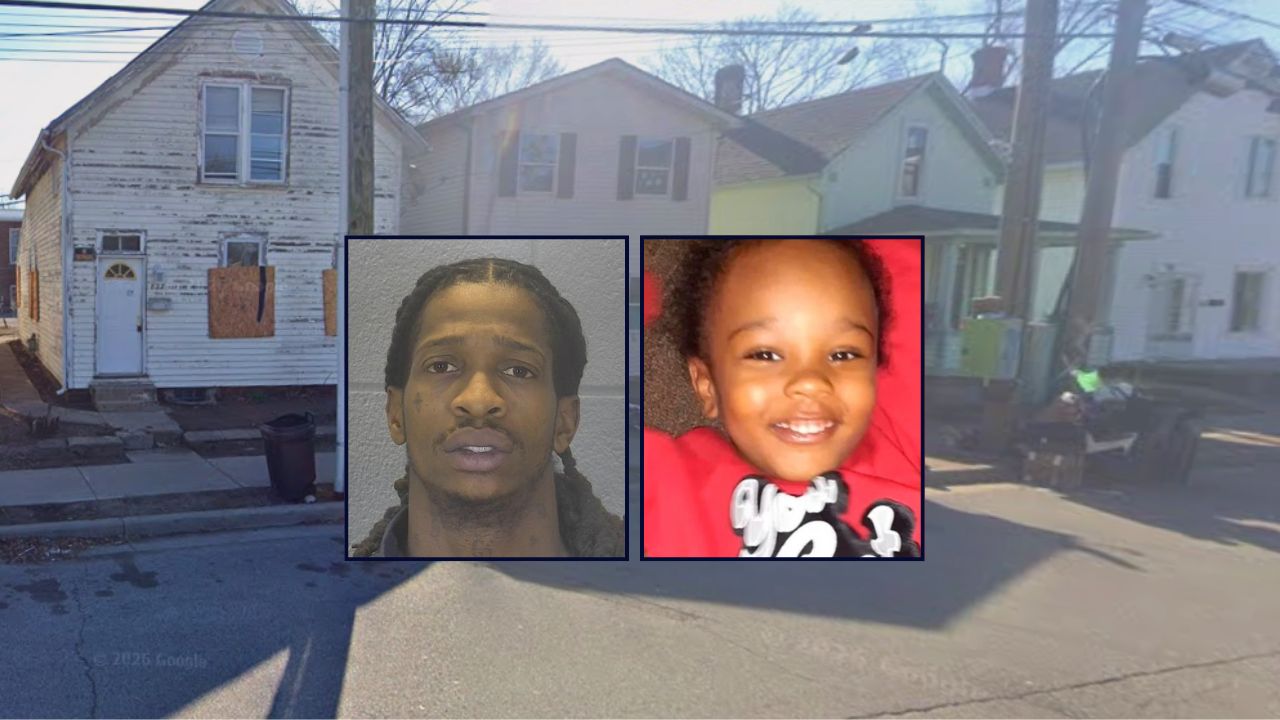
The house on North 13th Street in Lafayette, Indiana, was shrouded in a smoky haze, the odor of marijuana hanging heavily in the air. This eerie setting was not just a backdrop but a harbinger of the tragedy that unfolded within its walls. Inside the dimly lit residence, the reality was much grimmer, a 4-year-old boy lay unconscious on the floor, soaking wet, and unresponsive. The boy, Ke'andre Jolly, was the victim of a brutal assault that left him fighting for his life. This was the grim scene that first responders encountered on July 28, 2023. The initial 911 call described a child possibly having a seizure, but what paramedics found was far more sinister. This discovery set off a tragic chain of events that would end in the sentencing of Montrell Dionte Jolly.
Jolly, 36, is now facing 55 years behind bars for the brutal murder of his young cousin, Ke'andre Jolly. The sentence handed down reflects the severity of the crime, which was not just an isolated incident of violence but a culmination of a pattern of abusive behavior. The Tippecanoe County Prosecutor's Office confirmed his conviction on multiple charges, including murder, neglect, and aggravated battery. These charges paint a portrait of a man whose anger and frustration were channeled into violence against a defenseless child. The crime, as reported by Law&Crime, stemmed from Montrell's twisted rage over the child's innocent mistakes, putting his shoes on the wrong feet and using the bathroom 'incorrectly.' This senseless act of brutality raises serious questions about the psychological state of Jolly and the circumstances that allowed such unchecked aggression to manifest.
The affidavit of probable cause reveals chilling details of that day. Ke'andre was subjected to a form of punishment that was both physically and psychologically abusive. Forced to do wall sits, a punishment Montrell allegedly meted out on a daily basis, the young boy was pushed beyond his limits. This method of discipline was not only inappropriate for a child of Ke'andre's age but also indicative of a deeper issue with control and power dynamics. The situation escalated when Montrell's frustration reached its peak as Ke'andre attempted to relieve himself while sitting down, a behavior Montrell deemed unacceptable. Montrell's insistence on enforcing rigid gender norms on a child too young to comprehend them was both misguided and dangerous. This moment of disciplining turned fatal, and the full horror unfolded below.
Ke'andre's struggle didn't end when paramedics arrived. The urgency of his condition necessitated immediate medical intervention. He was rushed to a local hospital, where the severity of his injuries became painfully clear. Due to the extent of his trauma, he was airlifted to a children's hospital in Indianapolis for specialized care. Medical staff, upon examining Ke'andre, confirmed that the trauma was non-accidental and consistent with blunt force injuries. This revelation added a layer of intentionality to the already horrific circumstances. Tragically, Ke'andre succumbed to his injuries on August 1, 2023. His death is not just a personal tragedy but a reflection of broader societal issues. The story, steeped in tragedy and anger, raises broader concerns about societal attitudes towards discipline and masculinity, and the toxic environments they can create.
Despite the lack of visible injuries initially noted by paramedics, investigators found evidence of violence throughout the home. Bloodstains on walls, damage to the bathroom door, and other signs pointed to a history of abuse. This paints a picture of a household where harsh discipline crossed the line into outright cruelty. The presence of blood in multiple rooms suggests that the violence was not a one-time incident but part of an ongoing pattern of abuse. Jolly's admission of making Ke'andre 'do wall sits' mirrors stories of children being over-disciplined by those who perceive themselves as enforcers rather than caregivers. This kind of environment, where physical punishment is normalized, creates a breeding ground for tragedy. It is a stark reminder of the fine line between discipline and abuse and the devastating consequences when that line is crossed.
This case fits a disturbing pattern seen in child abuse incidents throughout history. The rigid enforcement of gender norms, especially around young boys, has led to numerous tragedies. Such incidents often stem from deeply ingrained societal expectations that dictate how boys should behave, a mindset that can be harmful and even deadly. From the widely reported child abuse cases in the 1980s to more recent incidents, the need for a shift in cultural attitudes is glaring. These cases highlight the dangers of adhering to outdated norms that prioritize conformity over individuality. Today's victims echo those of the past, crying for a systemic change in both societal perceptions and institutional responses. The persistence of these patterns shows the urgency of addressing the root causes of such violence and implementing meaningful reforms.
This is more than about the tragic loss of a young life; it's a reflection of a system that repeatedly turns a blind eye to warning signs.
This is more than about the tragic loss of a young life; it's a reflection of a system that repeatedly turns a blind eye to warning signs.
For the family involved, the consequences are immediate and devastating. The loss of Ke'andre is not just the loss of a family member but the loss of potential, hope, and future. His death leaves a void that can't be filled, a chasm of grief that will linger for years to come. Jolly's conviction, while providing a sense of justice, does not heal the trauma inflicted on the family, nor does it bring back the laughter and innocence lost forever. The emotional scars left by this tragedy are deep and enduring, affecting not only the immediate family but the wider community as well. It is a harsh reminder of the cost of ignorance and unchecked anger within the confines of a home, highlighting the need for awareness and intervention before such anger can manifest in violence.
On a systemic level, this case shows the gaps in our child protection frameworks. The fact that a man with a history of felony convictions was able to gain unsupervised access to a child raises serious questions about the vetting processes of those entrusted with a child's care. The justice system, once again, failed to connect the dots between prior offenses and the risk to vulnerable dependents. This oversight is not just an isolated failure but part of a larger systemic issue. It reflects a larger issue highlighted in similar cases, such as the historic settlement for children treated like 'slaves' by adoptive parents due to CPS failures. These failures demonstrate a pattern of systemic neglect and highlight the urgent need for reform in how we monitor and protect vulnerable children.
For the community and society at large, Ke'andre's story is a wake-up call. It prompts us to re-evaluate our collective responsibility to protect the youngest among us, who are often the most vulnerable and least heard. This case should compel policymakers and child welfare advocates to prioritize reform in how we monitor and intervene in the lives of at-risk children. The failures here are evident, and so is the call for change. We must address the systemic flaws that allow such tragedies to occur and work towards creating a society where every child is safe, valued, and protected. The lessons from Ke'andre's tragic story must inspire action, ensuring that the systems designed to protect children are effective and responsive to their needs.
The racial and class dynamics at play cannot be ignored. Socioeconomic factors often exacerbate these tragedies, leaving minority communities disproportionately affected by systemic neglect. These communities frequently face additional barriers to accessing resources and support, which can intensify situations of domestic violence and abuse. By examining cases like Jolly's through this lens, we can better understand the underlying inequities that perpetuate such cycles of violence and injustice. Addressing these disparities requires a concerted effort to dismantle the structural inequalities that contribute to the vulnerability of minority communities. It is a call to action for policymakers, social workers, and community leaders to work towards a more equitable system that protects all children, regardless of their racial or economic background.
Looking forward, the next steps involve systemic reform and community healing. The judicial system needs to reassess how it evaluates the risk posed by habitual offenders with access to children, ensuring that those with violent histories are not given the opportunity to harm again. Additionally, initiatives focused on shifting cultural norms around masculinity and discipline are crucial. These initiatives should aim to educate and empower communities to embrace healthier, more nurturing approaches to child-rearing. As we reflect on Ke'andre's short life, let's challenge ourselves to create a world where children are seen, heard, and protected. This requires a commitment from all sectors of society to prioritize the welfare of children and to implement changes that prevent such tragedies from recurring.
Justice served in the court is only the beginning. Ke'andre's story, marked by immense loss and systemic failure, should inspire action and ignite change. It's on us to ensure that his death was not in vain, and that our systems evolve to prevent another such tragedy from occurring.