Kyle Whittingham's Tough Bye Week: What It Means for Michigan Football and Black Athletes
By Tanya Brooks, PowerVault Staff The tension in Ann Arbor is almost tangible. The Michigan Wolverines have just come off a bruising defeat against their Big Ten adversaries, and the timing couldn't be worse. The bye...

By Tanya Brooks, PowerVault Staff
The tension in Ann Arbor is almost tangible. The Michigan Wolverines have just come off a bruising defeat against their Big Ten adversaries, and the timing couldn't be worse. The bye week should be a time for recovery and strategizing, but for Michigan, it's more like a pressure cooker with the heat turned up. Head Coach Kyle Whittingham's recent appearance on the 'Inside Michigan Football' radio show revealed a bit of what goes on behind those closed locker room doors.
“Self-analysis: what do we do best?” Whittingham posed, facing the kind of existential crisis that midseason slumps often trigger. It's a level of introspection that a program of Michigan's caliber usually doesn't publicly acknowledge. But here we are, right in the thick of it, with a 3-2 record and winless in conference play. As Whittingham dissects his team's performance, the word “discouraging” hangs over the program like a dark cloud.
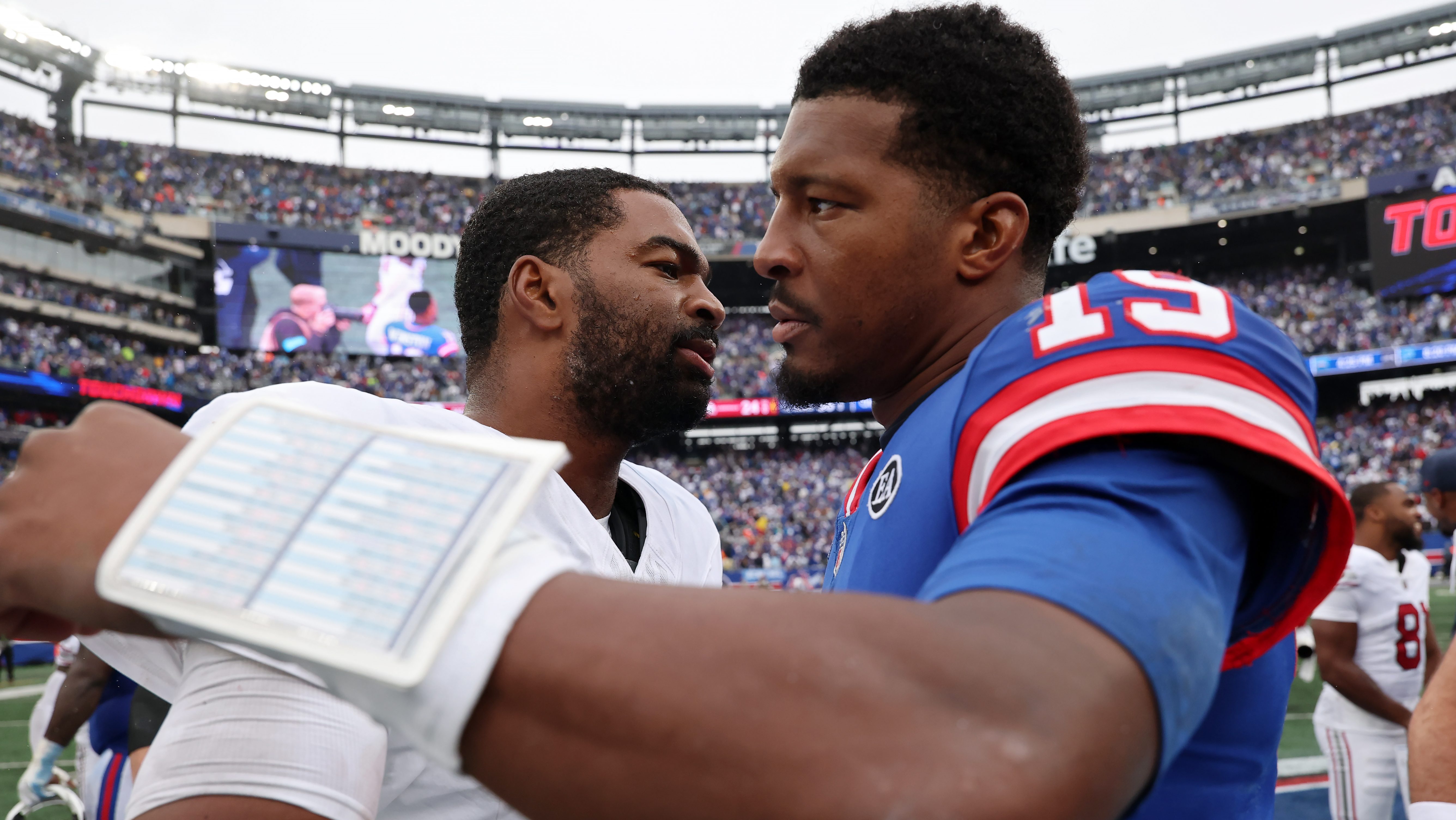
But here's the deeper narrative: Michigan football is more than just stats on a scoreboard. It represents a complex mix of power, privilege, and pressure, especially for the Black athletes who strive to excel within this predominantly white sports ecosystem. It's a theme not unlike that seen in the NFL, where the success and failures of Black quarterbacks are measured with scrutinizing eyes.
For Michigan's Black athletes, the stakes are even higher. College sports remain a convoluted theater where young Black athletes are often seen as commodities rather than individuals. Locked into scholarship agreements, they juggle the demands of intense training schedules and academic responsibilities. Yet, any stumble, on or off the field, can be magnified under the white gaze, which is as unrelenting as the floodlights on game night.
A clip from the 'Inside Michigan Football' broadcast encapsulates this mood perfectly:
In the clip, Whittingham's tone is sober but determined. The pressure isn't just on him, it's on every player who wears the maize and blue. As they prepare for their October 17th clash with Penn State, a team that embodies its own set of challenges, Michigan players must grapple with more than just x's and o's.
The financial dimensions of college sports also weigh heavily on this narrative. Despite the billions of dollars generated by college football, players see none of this revenue directly. Instead, they are incentivized with scholarships and the hope of a future in professional sports, a future that is promised to only a select few. It's a system that mirrors broader systemic inequities in society and the sports industry.
But let's not get it twisted. The Wolverines' struggles aren't solely about race or finances. There's a cultural pressure here, too. Programs like Michigan are legacy institutions, and Black players know they are bearing the weight of history on their shoulders. They are not just playing for themselves; they are playing for every Black athlete who came before them and for those who will follow. It's a dynamic that can either forge diamonds or crumble under its own weight.
Whittingham's call for self-analysis isn't merely a strategic move; it's a cultural reset. It asks Michigan to look inwards, confronting the demands and failures of its system. This is a concept that resonates beyond the bounds of sports, echoing across industries that require a similar reckoning with their practices and prejudices. The world of hip hop, for example, is undergoing its own seismic shifts, as seen in the discourse around Drake's rumored Coachella performance.
For the Black community, this is both a moment of reflection and a call to action. How do we support athletes in these testing times? How do we demand fairness and equity in a scene that has historically sidelined us? It's questions like these that hover, demanding answers not just from Michigan, but from the broader sports and cultural landscapes.
Another revealing segment from the Michigan Football radio show presents a candid view of the challenges at hand:
As college football continues to grapple with these issues, the spotlight will inevitably grow brighter on programs like Michigan. And while Whittingham's focus may be narrowed to winning games, the ripple effects of addressing deeper systemic issues could provide a blueprint for how to handle these matters across the board.
College sports remain a convoluted theater where young Black athletes are often seen as commodities rather than individuals.
Looking forward, it's clear that the Wolverines' bye week isn't just a pause on the schedule, it's a critical juncture. Win or lose, the way Michigan navigates this period could very well influence how college programs address racial and societal pressures. It’s a narrative as compelling as any game-winning touchdown, and one that we must watch unfold.
The next move for Michigan could set a precedent. With the spotlight firmly on their performance against Penn State, the players are not just fighting for a win; they're battling for respect, equality, and change within a system that often overlooks them. As we keep our eyes glued to the field, the real challenge is not just in scoring points but in scoring change. And that’s a game we all have a stake in.