Lamar Jackson and Jalen Hurts Injured: What It Means for Black Quarterbacks
By Tanya Brooks, PowerVault Staff The crisp fall air in Baltimore and Philadelphia is tinged with a mix of dread and anticipation. Stadium lights reflect off the wet turf, casting long shadows that mirror the uncertai...
By Tanya Brooks, PowerVault Staff
The crisp fall air in Baltimore and Philadelphia is tinged with a mix of dread and anticipation. Stadium lights reflect off the wet turf, casting long shadows that mirror the uncertainty looming over two of the NFL's brightest stars, Lamar Jackson and Jalen Hurts. Both are sidelined, and the ripple effects extend beyond the field, resonating through the league and into the communities that rally behind these Black quarterbacks. For Baltimore and Philly, these moments are not just about the absence of star power; they cut to the core of what these athletes represent. They embody resilience and the ongoing fight against systemic barriers, making their absence a poignant reminder of the precarious nature of their roles in a league still grappling with its own identity.
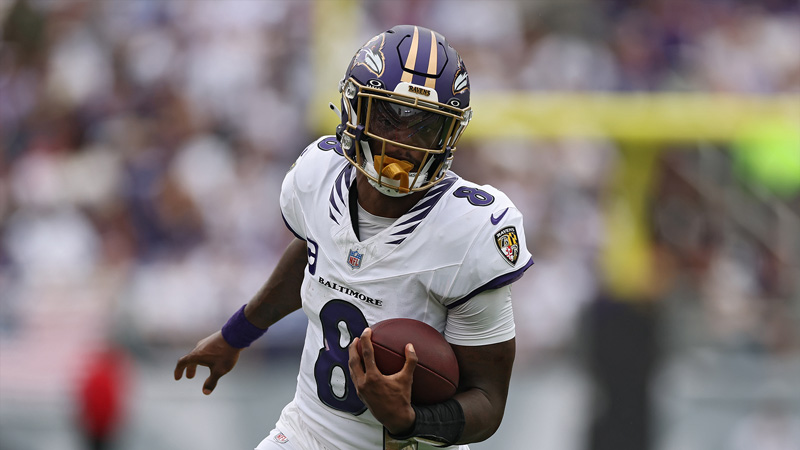
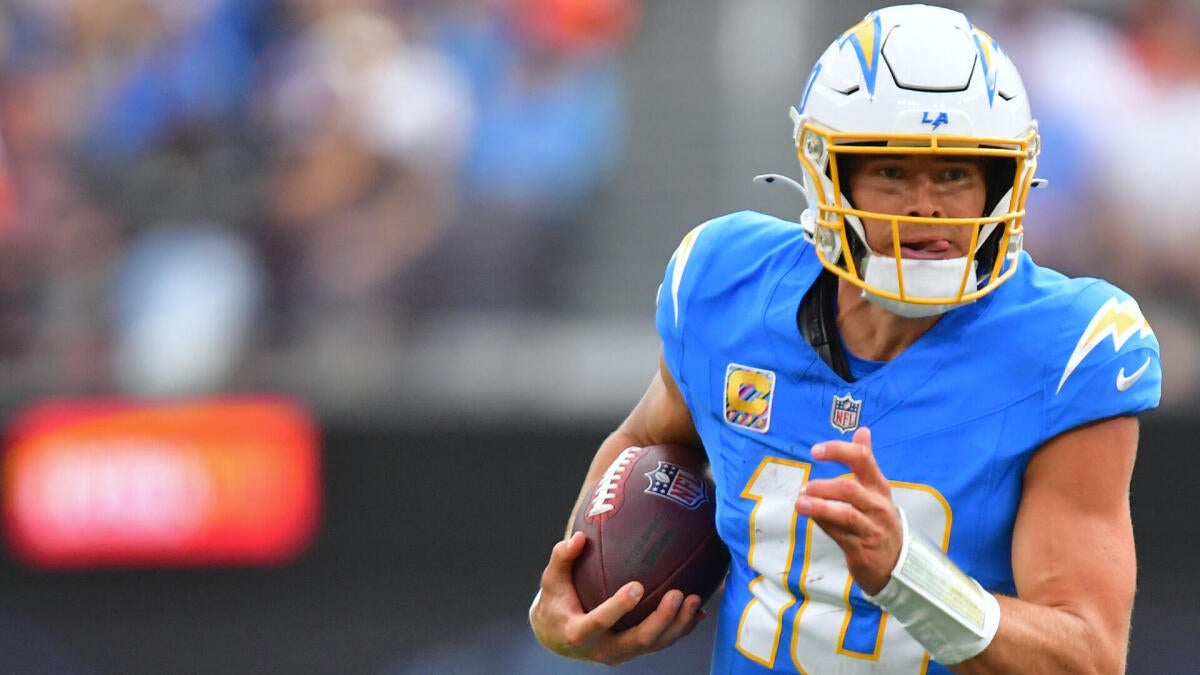
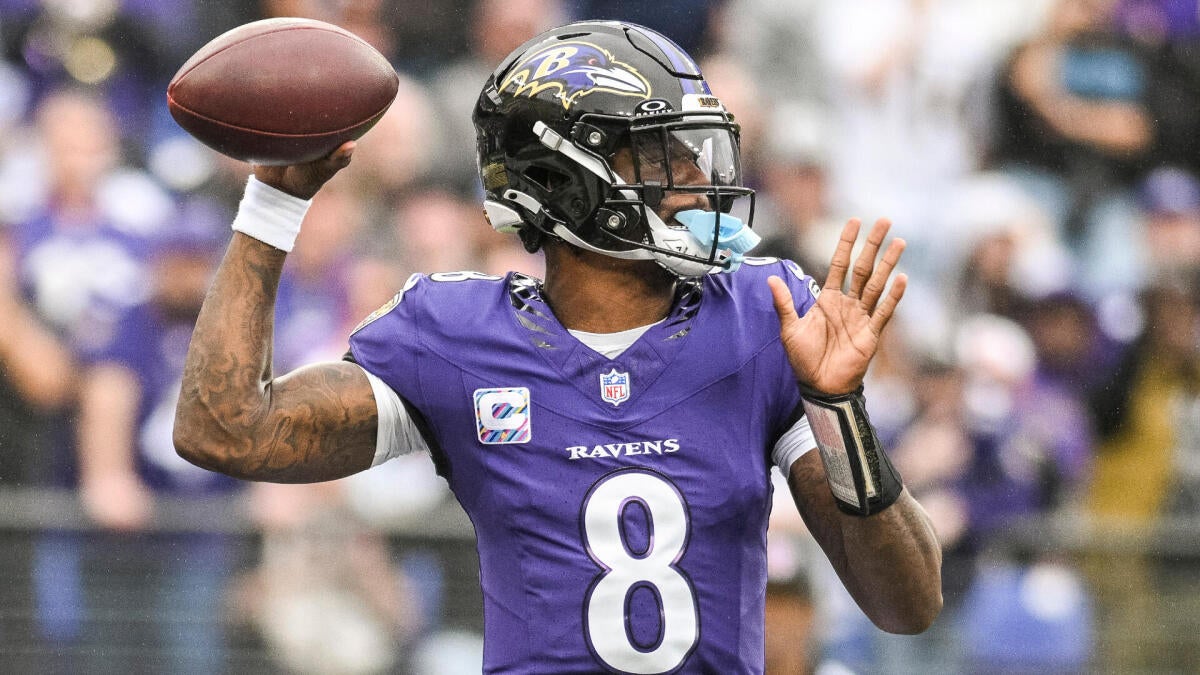
As reported by the source, Lamar Jackson is out for his second consecutive game due to an ankle injury, leaving Tyler Huntley to step in for the Ravens. Jalen Hurts deals with a blood clot in his calf, forcing him to sit out while Tanner McKee takes the helm for the Eagles. This is more than a story about injuries; it's about what happens when Black excellence meets the harsh realities of the game. For Jackson and Hurts, their journeys are more than just the pursuit of championships; they are about handling a scene that often demands more from Black athletes than their white peers. Their sidelining serves as a stark reminder of the physical toll the game exacts, and the added pressures they face as pioneers in a league that still struggles with its own diversity issues.
Jackson, a former MVP, has been the face of the Ravens, redefining what it means to be a quarterback in the modern NFL. His absence not only affects the team's chances but also the dynamics within an organization that built its offense around his unique skills. The video below from a recent press conference captures the frustration and uncertainty hanging in the air. Beyond the statistics and playbooks, Jackson's role in Baltimore transcends the field; it's about leadership, resilience, and breaking stereotypes. His dynamic style challenges the traditional quarterback mold, offering a blueprint for future generations. The community feels the void left by his absence, not just in terms of wins and losses but in the visible representation of what's possible for Black athletes in a predominantly white league.
Hurts, on the other hand, has been leading the Eagles with poise, even amidst a tidal wave of injuries that have plagued Philadelphia this season. His sidelining is a blow to a team that has come to rely on his leadership and athleticism. The Eagles' injury report reads like a CVS receipt, signaling deeper issues that go beyond just bad luck. Hurts has been a stabilizing force, offering a sense of direction and hope to a franchise and fanbase desperate for consistency. His absence magnifies the challenges faced by a team that seems perennially on the edge of chaos. Philadelphia's struggles highlight the broader systemic issues within the organization, where the burden often falls disproportionately on Black players to perform miracles in the face of adversity. Hurts' injury is not just a physical setback but a reflection of the weight he carries as a Black quarterback in a league still grappling with its racial dynamics.
Michael Penix Jr. Returns for the Falcons, and Caleb Williams may make his comeback for the Bears. Meanwhile, the Texans and Jaguars are dealing with their own injury woes. It's a mixed bag for Week 6, but the focus remains on what these absences mean for Jackson and Hurts. The video below dives into what their return timelines might look like. These narratives are not merely about who's playing and who's not; they are about the broader implications of representation and resilience. The return of Penix Jr. And Williams offers a glimmer of hope, but the uncertainty surrounding Jackson and Hurts casts a long shadow. As fans await their return, the conversations extend beyond the sidelines, touching on issues of equity, opportunity, and the systemic challenges faced by Black athletes in a sport historically resistant to change.
This isn't the first time injuries have reshaped the narrative for Black quarterbacks. Back in 2012, Robert Griffin III's promising career was derailed by a knee injury. Cam Newton's body endured a relentless beating, ultimately leading to a decline in his performance. The struggles and triumphs of these athletes reflect a broader pattern where Black quarterbacks, despite their talent, face unique hurdles. The league's history is littered with stories of Black quarterbacks who carried not just the hopes of their teams but the weight of racial expectations. Griffin's rise and fall, and Newton's physical toll, highlight a recurring theme of brilliance shadowed by adversity. These narratives are not just about sports; they're about the intersection of race, opportunity, and the relentless pursuit of excellence against a backdrop of systemic bias. The stories of Jackson and Hurts are the latest chapters in a long struggle for recognition and respect, underscoring the need for change in how the league supports its Black stars.
These injuries expose the thin line Black quarterbacks walk between superstardom and the sidelines.
These injuries expose the thin line Black quarterbacks walk between superstardom and the sidelines.
For Jackson and Hurts, the pressure is immense. They're not just athletes; they're symbols of possibility for young Black kids dreaming of the NFL. Their success is a counter-narrative to the stereotypes that have long plagued Black quarterbacks, too often deemed 'athletic' but not 'intellectual enough' to run an offense. Their setbacks remind us how quickly the tide can turn in a league that's all too quick to label and discard. Their presence on the field challenges outdated notions and provides a beacon of hope for those who see themselves in their journeys. Yet, the weight of expectation is heavy, as they must continually prove their worth in a system that scrutinizes them more harshly than their white counterparts. Their injuries serve as a metaphor for the fragility of their roles, where one misstep can lead to questions about their capabilities, despite proven track records. In their resilience, there is a lesson about perseverance and the fight against systemic barriers that still exist in the NFL.
The NFL, as a predominantly white-run institution, holds the keys to the kingdom, deciding who gets celebrated and who gets sidelined. The injuries to Jackson and Hurts raise questions about the support systems in place for Black quarterbacks. Are they given the same investment in their health and longevity as their white counterparts? The league's history would suggest otherwise, and these absences force us to ponder the systemic inequities at play. The disparity in how Black and white players are treated extends beyond the field, reflecting broader societal issues. The scrutiny faced by Black quarterbacks is often more intense, with their successes and failures dissected in ways that their white peers rarely experience. These dynamics are not just about sports but are emblematic of larger issues of race and representation in America. The league's response, or lack thereof, to these disparities says a lot about the ongoing struggle for equity and justice in a space that remains, at its core, a reflection of the society it entertains.
For fans and communities, Jackson and Hurts are more than just players, they're beacons of hope. Their absence is felt not just on the scoreboard but in living rooms across the country. It's a reminder of the fragility of representation in sports, where a single injury can silence a thousand voices. The NFL's narrative often glosses over this, but the community knows: every game missed is a missed opportunity for visibility and change. These players are not just athletes; they are cultural icons, symbols of progress in a sport that has long struggled with diversity. Their impact extends beyond the field, inspiring conversations about race, identity, and the power of representation. The void left by their absence is palpable, reminding us of the precarious nature of their roles and the ongoing fight for equality in a league that still has a long way to go. Their stories resonate deeply, serving as both inspiration and a call to action for those who see themselves reflected in their journeys.