Lamar Jackson's Injury Raises Questions About NFL's Commitment to Black Quarterbacks
By Malik Carter, PowerVault Staff Lamar Jackson's persistent ankle injury continues to cast a shadow over the Baltimore Ravens' aspirations as they prepare to face the Cincinnati Bengals. With Jackson sidelined, the R...
Advertisement

By Malik Carter, PowerVault Staff
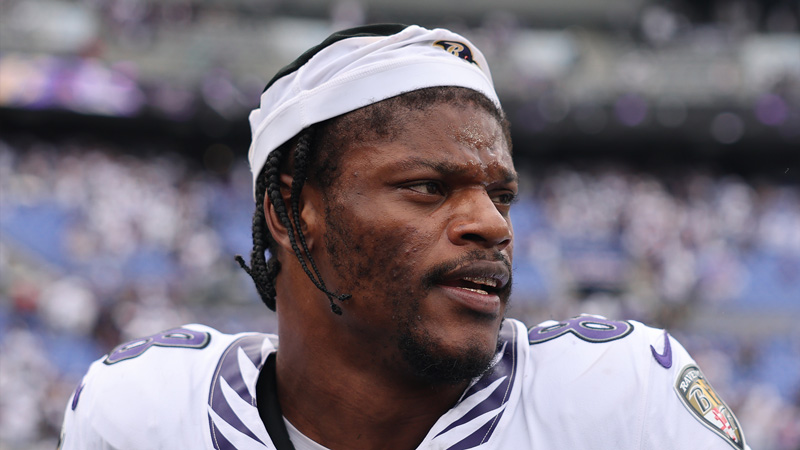
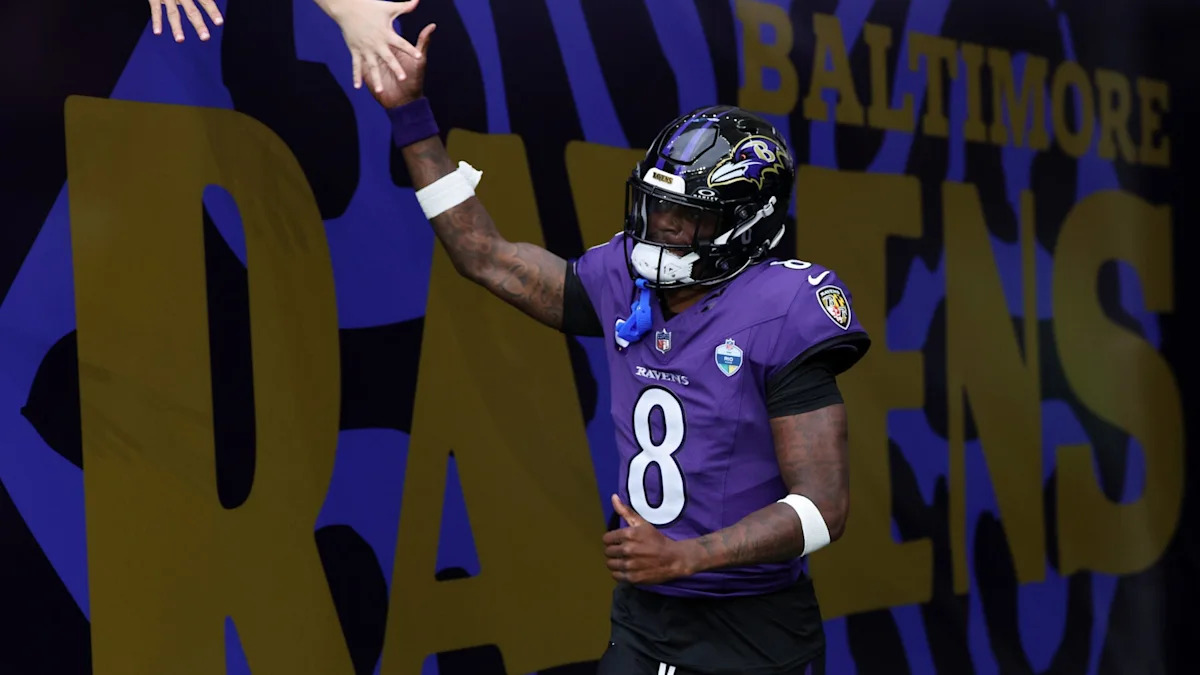
Lamar Jackson's persistent ankle injury continues to cast a shadow over the Baltimore Ravens' aspirations as they prepare to face the Cincinnati Bengals. With Jackson sidelined, the Ravens enter this crucial matchup with a 4-2 record, but the absence of their star quarterback looms large. It's not just about missing a player; it's about missing the dynamic force that Jackson represents. His ability to electrify the field and galvanize the team is irreplaceable, and without him, the Ravens' playoff hopes hang in a precarious balance. The team's faithful followers are left grappling with a mix of anxiety and hope, knowing that their success hinges heavily on Jackson's health and return to form.
The update from the Ravens, as detailed by HITC, has left fans in a state of unease regarding the franchise's immediate future. Lamar Jackson, who clinched the NFL MVP title in 2019, suffered his ankle injury during a Week 4 clash against the Tennessee Titans, and the path to his recovery appears increasingly uncertain. While his limited return to practice stirred a glimmer of optimism, the decision to keep him benched this week shows a cautious approach by the team, which has left fans yearning for his return to the gridiron. Jackson's explosive style of play is missed acutely, and each game without him feels like a missed opportunity for the Ravens to solidify their position as playoff contenders.
The Ravens' performance without Jackson has been a tale of inconsistency, reflecting the challenges of handling the NFL without their franchise quarterback. Tyler Huntley stepped up in Jackson's absence, leading the team to a hard-fought overtime victory against the Falcons. However, their subsequent narrow loss to the Browns highlighted the offensive struggles and lack of rhythm without Jackson at the helm. As they prepare to face the Bengals, a team known for its defensive prowess and divisional rivalry, the pressure mounts on Huntley and the rest of the Ravens to find cohesion. Fans' frustrations are palpable on social media, where the calls for Jackson's return grow louder with each passing day.
Jackson's injury is more than a physical setback; it prompts deeper conversations about the treatment of Black quarterbacks in the NFL. While the league has made some progress in embracing Black talent, systemic barriers continue to hinder players like Jackson. Despite consistently proving their skills and leadership, Black quarterbacks often face skepticism rooted in outdated stereotypes. The burden of having to repeatedly validate their capabilities weighs heavily on these athletes, who must handle a scene that hasn't always been welcoming. Jackson's situation shows the ongoing struggle for recognition and respect, challenging the league to move beyond superficial gestures and address the ingrained biases that persist.
The media frenzy surrounding Jackson's injury is a reflection of the entrenched biases in sports coverage, where Black athletes often find themselves under intense scrutiny. The narrative tends to question their physical resilience, more so than their white counterparts, perpetuating a cycle of doubt and speculation. This is more than a matter of a player missing a game; it speaks to the broader narratives that shape public perception of Black athletes. These athletes are often portrayed through a lens that emphasizes physicality over intellect, reinforcing harmful stereotypes. The discussions in the YouTube video below get into how these dynamics influence the portrayal and valuation of Black athletes in the media scene.
Historically, Black quarterbacks have faced an uphill battle securing and maintaining their positions in a sport that was not originally designed for them to succeed. From Doug Williams becoming the first Black quarterback to win a Super Bowl in the 1980s to the emergence of modern-day stars like Patrick Mahomes and Deshaun Watson, the journey has been fraught with obstacles. Each breakthrough is a hard-won victory, yet every injury or setback serves as a stark reminder of the fragile nature of this progress. The systemic barriers remain, and even as Black quarterbacks continue to redefine the position, the road ahead is paved with challenges that test their resolve and resilience.
Lamar's absence is more than a loss on the field; it's a reminder of the systemic disregard for Black talent in leadership roles.
Lamar's absence is more than a loss on the field; it's a reminder of the systemic disregard for Black talent in leadership roles.
For Jackson, this injury represents more than just a physical hurdle; it marks a turning point in his career, laden with expectations and pressures. As he stands at the crossroads of expectation and reality, the urgency to not only heal but to reassert his role as a franchise cornerstone intensifies. His journey mirrors that of many Black athletes who find themselves fighting not only for personal and team victories but also to carve out a lasting legacy in a league that often grapples with its own biases. Jackson's situation exemplifies the intricate dance between proving oneself and challenging the status quo, as he seeks to redefine both his career and the broader narrative surrounding Black quarterbacks.
On the organizational front, the Ravens face the dual challenge of competing without their star player and confronting the structural issues that Jackson's absence brings to light. The void left by a player of Jackson's caliber is not merely tactical; it highlights missed opportunities to engage in more inclusive and progressive narratives within the league. The absence forces the team to reevaluate its strategies and shows the necessity for policies that support diversity at all levels. The stakes are high, not only in terms of wins and losses but also in the broader context of what it means to truly embrace and promote inclusivity within the NFL. This is explored further in the YouTube video linked below.
For the fans and the broader community, Jackson's injury serves as a catalyst for deeper reflection and action. It calls for a reevaluation of how Black athletes are discussed, supported, and celebrated within the sports world. The discourse needs to transcend mere performance metrics and get into the complex cultural and historical contexts that shape the careers of these athletes. By fostering a more complicated understanding, we can begin to dismantle the systemic barriers that persist. This dialogue is essential in creating a more equitable sports environment, where Black athletes are acknowledged not only for their athletic prowess but also for their contributions to the cultural and societal fabric.
Advertisement
The intricate dynamics of race, class, and power within the NFL are deeply entrenched and layered. Lamar Jackson's situation offers a lens through which we can scrutinize these tensions, particularly as they intersect with the economic structures of sports. Black athletes often carry the weight of proving their worth while simultaneously confronting the racialized power dynamics that aim to confine them. These athletes are not only fighting for their place on the field but also challenging the broader structures that seek to limit their potential. Jackson's predicament illuminates the ongoing struggle for equity and the need for systemic change within the league.
As the Ravens handle their season without Jackson, the focus intensifies on the league's capacity to address the systemic issues at play. The forthcoming weeks will test not only the Ravens' ability to adapt and persevere but also the NFL's willingness to evolve beyond its problematic history. Observers, both fans and analysts, should pay close attention, not just in anticipation of Jackson's return but in search of genuine progress and transformation within the league. The narrative is still unfolding, carrying with it significant implications for the future of Black athletes in the NFL and the league's commitment to genuine inclusivity and equality.