LeBron James Blocked: What Jalen Slawson's Apology Says About the NBA's New Guard
By Tanya Brooks, PowerVault Staff It was a play that spun heads across the NBA scene: Jalen Slawson, a relatively unknown forward for the Indiana Pacers, chased down the legendary LeBron James for an emphatic block du...
Advertisement

By Tanya Brooks, PowerVault Staff
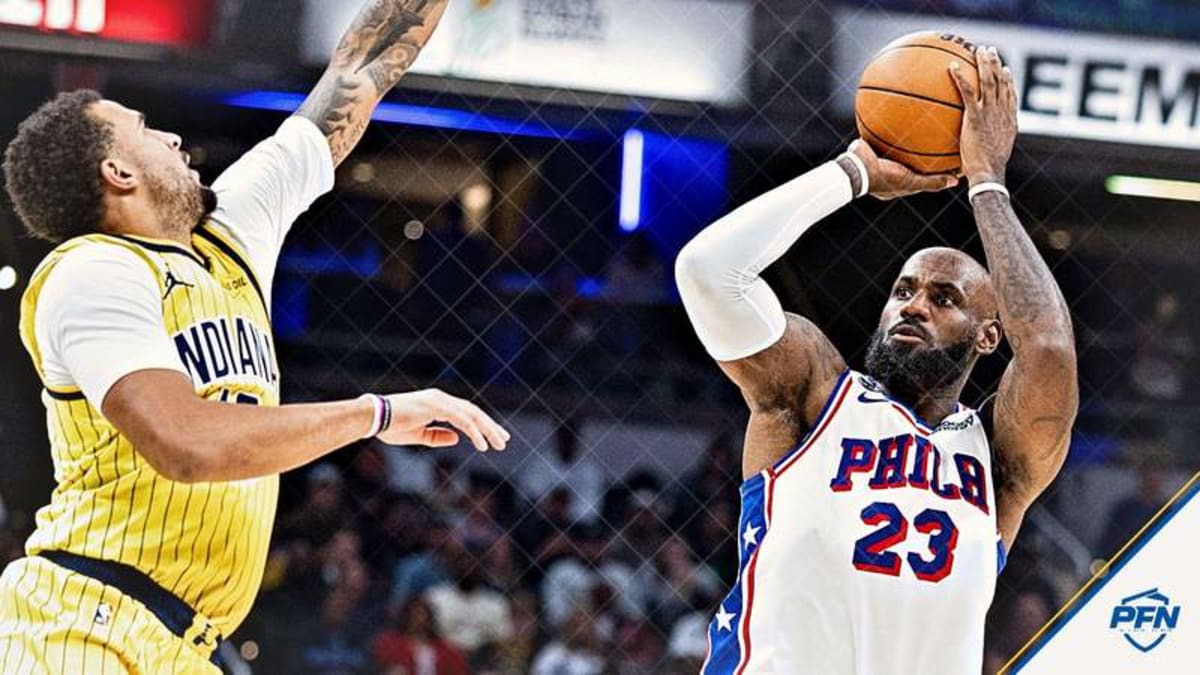
It was a play that spun heads across the NBA scene: Jalen Slawson, a relatively unknown forward for the Indiana Pacers, chased down the legendary LeBron James for an emphatic block during a second-quarter fast break. The sight of a young player like Slawson denying a bucket to a four-time MVP and two-time Olympic gold medalist was astonishing in itself. Yet, what elevated the moment beyond a mere highlight was Slawson's unexpected apology to James immediately afterward. In a league where bravado often overshadows humility, this startling gesture was captured and shared widely, igniting conversations about respect, age, and the changing of guards in the basketball world. It was a reminder that even in the hyper-competitive environment of the NBA, moments of reverence for the legends who define the game can still emerge, prompting a broader discussion about how today's players honor those who paved the way.
The clash between the Philadelphia 76ers and the Pacers on Wednesday night was supposed to be a straightforward affair, wherein the Sixers pulled off a comeback victory from a 13-point deficit, finishing 114-109. After all, the Sixers, led by a young and explosive Tyrese Maxey, were expected to handle business against a Pacers squad still finding its identity. Yet, the narrative took a distinct turn when Slawson, fresh off the bench with something to prove, managed to outpace LeBron and deliver a block straight out of James' own highlight reel. The video, shared by Hater Report, quickly spread across social media, drawing reactions not just for the block, but the apology that followed. This twist injected an unexpected layer of drama into a game that many thought would be a simple tale of a dominant team asserting its will, showing once again that sports are as much about the moments as they are about the outcomes.
For many, Slawson's apologetic gesture was more audacious than any celebratory flex could have been. The act of blocking LeBron James, a player who has his own legacy built on similar chase-down blocks, is enough to make a young player's career highlight reel. Yet, apologizing, as one observer noted, bordered on disrespectful, a nod to the fact that players of Slawson's generation grew up idolizing, not humiliating, LeBron. It's as if Slawson was acknowledging the unwritten rule that one doesn't simply show up the King without paying homage. This moment wasn't merely a clash of athletic prowess but a cultural dialogue about the reverence owed to those who have become larger than life through their contributions on and off the court. In a social media era that thrives on brash displays and viral taunts, Slawson’s act of contrition stood out, prompting a reflection on how young players handle their respect for the icons who inspired them.
Jalen Slawson's stat line wasn't anything to write home about, he logged only 12 minutes, contributing minor stats outside of his now-famous block. But this isn't about numbers; it's about the unspoken dynamics in play. Slawson's reaction seemed to encapsulate a broader respect for the enduring presence of LeBron James, who, despite being caught on the wrong end of the play, still managed a respectable double-double performance with 13 points, 10 assists, and two blocks himself. In a league where stats can overshadow stories, Slawson's block was a reminder that the NBA is as much about its narratives as it is about box scores. The moment symbolized the reverence younger players hold for their forerunners, even as they carve out their own paths. It highlighted the complex intersection of admiration and competition, where emerging talents must learn to balance paying tribute to legends while striving to create their own legacies.
The tension in the crowd after the block was palpable, a clash of generations playing out in real-time. As the game continued, LeBron's persistence shone through his 33 minutes on the court, reflecting not just the 76ers' current hot streak, tied for the best record in the Eastern Conference, but also his ongoing battle against time. For fans in the stands and those watching at home, the result proved secondary to the symbolic baton exchange witnessed when Slawson halted a legend in mid-air. It was a moment that transcended the immediate drama of the game, tapping into the universal narrative of the old guard facing the new. Kenny Smith shared his perspective on the incident in the post below, underscoring how this single play became a microcosm of the shifting dynamics within the NBA. It’s a reminder that every generation must eventually pass the torch, and that moment of transition can be both poignant and profound.
LeBron James has faced down countless challenges in his illustrious career, but none as relentless as Father Time. When Michael Jordan's prime began to wane, the torch was passed to new stars. The NBA has witnessed these transitions, from Magic and Bird to Shaq and Kobe, and now LeBron. With each passing season, the league unravels a new chapter, showcasing young talents poised to claim their piece of hardwood history. Slawson's block may be an early sign of another such shift, reminiscent of moments like Kobe's battles with MJ back in the 90s. It's a cyclical story of succession, where the emerging stars inevitably challenge the status quo. For LeBron, the challenge lies not just in his physical capabilities but in the narrative that surrounds him, one of a legend gradually stepping aside while ensuring his legacy is secure. The young bloods, eager to make their mark, must reckon with the towering legacies they aspire to surpass, all while acknowledging the giants on whose shoulders they stand.
Jalen Slawson's moment could be a watershed event, was it respect or was it a young man's concession that he just disrupted basketball royalty? The NBA is a league where the past informs the present, but the future is constantly being rewritten. Apologizing for a legendary block says a lot about how players today reconcile reverence with competition.
Was it respect or was it a young man's concession that he just disrupted basketball royalty?
For Black athletes, this moment isn't just about sportsmanship; it's a reflection of generational respect and the burden of legacy. LeBron James has been a towering icon, representing more than just athleticism. He embodies the hopes of young Black men entering an industry that often seems stacked against them. For over two decades, LeBron has been a beacon of excellence and a symbol of perseverance in a league where Black players have to constantly prove their worth and handle systemic hurdles. As new players like Slawson rise, they do so in the formidable shadow of those who've come before, handling the complex scene of the NBA where reverence and rivalry coexist. This delicate balance shows the additional weight carried by Black athletes, who must honor their predecessors while forging new paths in a world that watches their every move. It's a dance of respect and ambition, where each step forward is both a tribute to the past and a claim to the future.
The NBA's changing guard brings forth a new type of conversation among fans and players alike. Is it possible to honor your heroes while actively seeking to dethrone them? This tension speaks to a broader societal issue where the younger generation must balance respect for their elders with the reality of their own ascent. In a world that celebrates youth and innovation, the dialogue here is one of succession, respect, and the unyielding march of time as highlighted in the embedded post below. It poses the question of how to celebrate the legends while also making space for new narratives. The challenge for young players is not just to match the achievements of their idols but to redefine them in ways that resonate with their generation. This ongoing dialogue reflects the broader cultural shift as society grapples with how to honor tradition while embracing change.
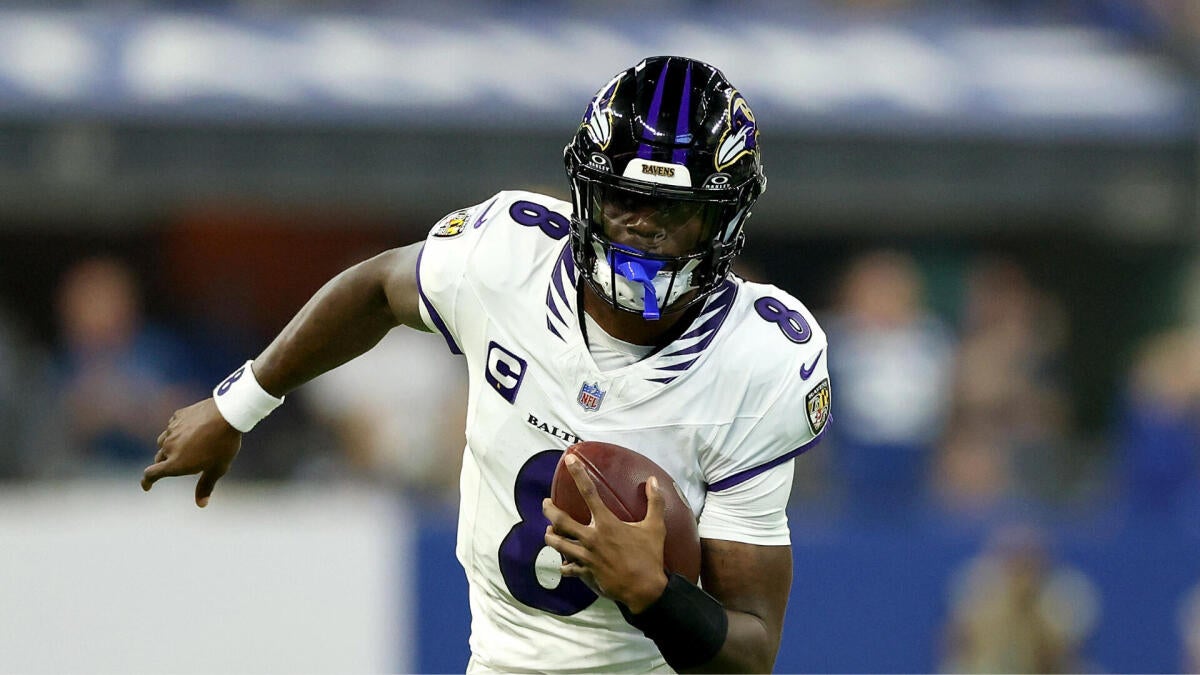
In a league driven by money and fame, Slawson's apology could be seen as a rare moment of humility. Yet, it also shows the need for young players to establish their own legacies. What the league, and the culture at large, must consider is how these interactions shape not only individual careers but the collective memory of the sport. The incident strikes a chord with Lamar Jackson's own journey outlined in our coverage of his return to the forefront of Black quarterbacks making their mark. Just like Jackson, Slawson faces the dual task of respecting the past while stepping into his own story. These moments of humility serve as reminders that the path to greatness is as much about acknowledging those who came before as it is about staking your claim to the future. They highlight the complicated dance between reverence and ambition that defines the journey of many Black athletes.
The underlying dynamics of race and age make this moment particularly poignant. LeBron's career is proof of resilience in a league where being Black carries its own pressures and expectations. From high school prodigy to global icon, his journey has been a beacon of hope for many young athletes who see themselves in his triumphs and struggles. Slawson's block and subsequent apology reflect the ongoing dialogue between emerging players and established legends, a conversation that is more than about basketball but about power, respect, and identity within a predominantly white sports ecosystem. This incident shows the complexity of handling a career where the stakes are not just personal but cultural. As young Black athletes like Slawson step into the spotlight, they do so while carrying the weight of history and the promise of progress, challenging the status quo while paying homage to those who have paved the way.
Advertisement
As the season unfolds, all eyes will be on the rematches slated for November between the 76ers and Pacers. Will Slawson rise to the occasion again, or will the King reassert his reign? The NBA community will surely be watching to see how this narrative continues to evolve. But for Black athletes across the league, this moment is a reminder of the balancing act required to honor the past while driving their future. Each game on the court becomes a stage where legacies are both respected and rewritten. This ongoing saga between Slawson and James is not just about personal triumphs or team victories, but about the broader cultural narratives that these athletes embody. As they face off again, the audience will be watching not just for the score, but for the stories that unfold in the space between the lines, where personal aspirations meet historical legacy.
The evolution of this storyline reflects a broader cultural shift, inviting us to reconsider what respect and rivalry mean in modern sports. As we ponder the implications of Slawson's act of contrition, we're left with one question: Can respect for the past coexist with the desire to forge new paths? The answer, as always, will play out on the hardwood.