
Lil Durk Awaits Bond Decision: What's at Stake in His Legal Battle
By Renee Fontaine, PowerVault Staff Lil Durk's future hangs in a precarious balance as he waits for a crucial bond ruling that could determine his immediate fate. A federal judge in Los Angeles recently took a pause b...
Advertisement

By Renee Fontaine, PowerVault Staff
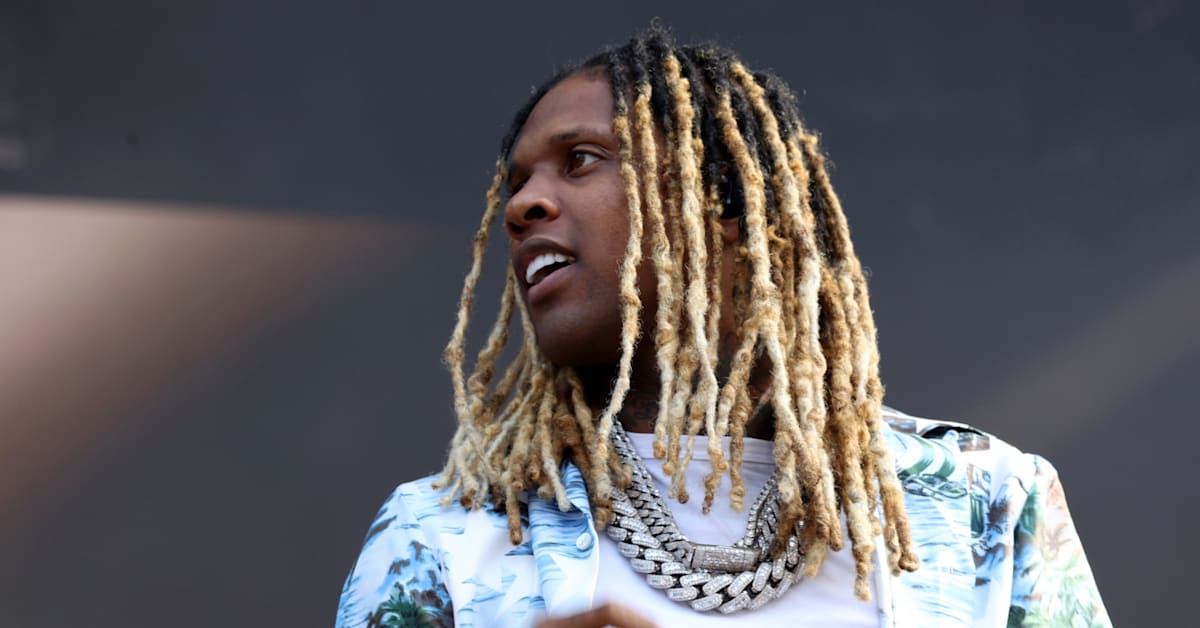
Lil Durk's future hangs in a precarious balance as he waits for a crucial bond ruling that could determine his immediate fate. A federal judge in Los Angeles recently took a pause before making the pivotal decision on whether the Chicago rapper will be released from jail as he awaits his 2027 racketeering trial. The stakes are high, and the tension is palpable, not just in the courtroom but within the hip hop community at large. The outcome of this hearing could reshape the trajectory of Durk's career and influence ongoing discussions about the justice system's treatment of high-profile Black artists. As the judge deliberates, the industry and the streets are watching closely, hoping for a decision that aligns with both justice and fairness.
Durk, whose real name is Durk Banks, has been in custody since September 2024, following his acquittal on serious murder-for-hire charges. This case has been anything but straightforward, involving layers of complexity that have kept the legal community and fans on edge. His defense team has not shied away from leveraging big names to bolster their case for his release. Heavyweights like Jay-Z, Michael Rubin, and J. Cole have stepped up, putting their own reputations on the line to advocate for Durk. Despite this star-studded support, Judge Michael W. Fitzgerald remains hesitant, pointing to Durk's previous attempt to flee as a significant concern. The judge acknowledged the intricate nature of this legal maze, suggesting that Durk's celebrity status might further complicate the decision-making process.
The courtroom was a battleground of legal arguments, with Durk’s defense team presenting a bold proposal for his release. Their bond package was nothing short of substantial, offering the court access to his royalties and publishing income as a safety net should he choose to flee. They also put forward his mother’s home as collateral, along with significant financial contributions from his circle of friends. However, the prosecution wasn't backing down, painting Durk's fame as a liability. They argued that his celebrity status might make him feel untouchable, a sentiment that could lead to him disregarding the law. This portrayal of his status as a blessing and a curse adds another layer of complexity to an already intense legal battle.
The YouTube video below provides a window into the legal saga that has unfolded around Lil Durk, capturing the unfolding drama and the tensions boiling over between his legal team and the prosecutors. It visualizes the stark contrast between Durk's supporters, who see him as a victim of an unjust system, and the prosecutors who view him as a potential threat to society. The footage adds depth to the narrative, showing the earnest pleas of his defense team and the stern rebuttals from the prosecution. For those invested in Durk's journey, this video serves as a crucial piece of the puzzle, offering a deeper understanding of the stakes involved in this high-profile case.
The allegations against Lil Durk extend far beyond the risk of flight. Prosecutors have painted a picture of misconduct during his time in custody, accusing him of bending the rules to maintain forbidden communication channels. They allege that he used other inmates' phone access and engaged in unauthorized three-way calls, even smuggling in contraband devices to make hundreds of calls. These accusations contribute to the perception of Durk as a potential danger to the community, a narrative his lawyers are fighting hard to dismantle. They argue these claims are exaggerated, designed to sway public opinion against their client, and insist that Durk deserves the presumption of innocence until proven otherwise.
The relationship between hip hop and the justice system has always been charged with tension and mistrust. From Tupac Shakur's intense legal battles in the '90s to the more recent controversies surrounding Meek Mill's probation, the industry is no stranger to the courtroom drama. Lil Durk's current legal troubles echo these past struggles, shining a light on systemic issues that entrap artists in complex legal webs that stretch far beyond their music careers. These cases often reveal the cracks in the system, highlighting how the very culture that empowers these artists can also ensnare them in a cycle of legal challenges. It's a narrative that shows the ongoing struggle for justice and equitable treatment within the music industry.
Durk's case is a symptom of a bigger issue: celebrity influence versus judicial integrity.
Durk's case is a symptom of a bigger issue: celebrity influence versus judicial integrity.
In the court of public opinion, Lil Durk's legal challenges raise significant questions about the role of celebrity privilege in the justice system. On one hand, the support from high-profile figures like Jay-Z, Michael Rubin, and J. Cole is perceived by some as proof of his innocence and character. On the other hand, critics argue that such backing could potentially distort the judicial process, illustrating how money and influence might interfere with legal standards. This dynamic creates a complex scene where fame can be both a shield and a target, highlighting the tension between public perception and legal realities. The debate reflects broader societal questions about how justice is served and for whom.
Within the music industry, Lil Durk's legal woes are more than just a personal battle; they symbolize the broader struggles artists face when handling the justice system. Maintaining a successful career while dealing with legal challenges is a balancing act that many artists must perform. The higher an artist climbs, the more intricate their life becomes, making them susceptible to legal traps that can derail their progress. This ongoing narrative emphasizes the precarious nature of fame in the hip hop world, where artists must constantly negotiate their success against the backdrop of a system that often seems stacked against them. Durk's case is just one chapter in a long history of artists grappling with these dual pressures.
For fans and the culture at large, Lil Durk's legal saga serves as a stark reminder of hip hop's roots in resilience and resistance. Born from the struggles of marginalized communities, the genre has always been a voice for those facing systemic injustice. Durk's battles, while deeply personal, resonate widely within a community that sees its own struggles reflected in his story. The courtroom drama and the legal maneuvers echo the day-to-day realities of many who follow his journey, underscoring the ongoing fight against a system that often seems designed to keep them down. This connection between personal and communal struggles is a powerful testament to the enduring spirit of hip hop.
Beneath the surface of Lil Durk's legal troubles lies a deeper conversation about race and privilege within the justice system. The treatment of Black celebrities often mirrors broader societal biases, revealing persistent racial disparities in how justice is administered. While some argue that Durk is being singled out because of his status, it's essential to consider how his race compounds these issues, adding another layer of complexity to his case. This situation serves as a microcosm of the larger racial inequalities that pervade the justice system, where Black individuals, regardless of their fame, often face harsher scrutiny and more severe consequences than their white counterparts.
Advertisement
As the judge's decision looms, all eyes are fixed on Lil Durk's next move. Whatever the outcome, this case is poised to be a turning point for both the artist and the music industry. As the lines blur between the world of music and the legal arena, the conversation around celebrity, justice, and accountability becomes ever more critical. The culture watches, aware that the implications of this case extend far beyond one individual, potentially shaping the scene for future generations of artists. The stakes are high, and the outcome could redefine the relationship between hip hop and the justice system for years to come.
More from PowerVault Network:
