Louisville Father of 9 Shot While Trying to Help: What Happened?
By Marcus Ellison, PowerVault Staff Alvin McDowell, a devoted father of nine, faced a harrowing ordeal that nearly claimed his life when he was shot just inches from his heart. On October 22, during what should have b...
Advertisement

By Marcus Ellison, PowerVault Staff
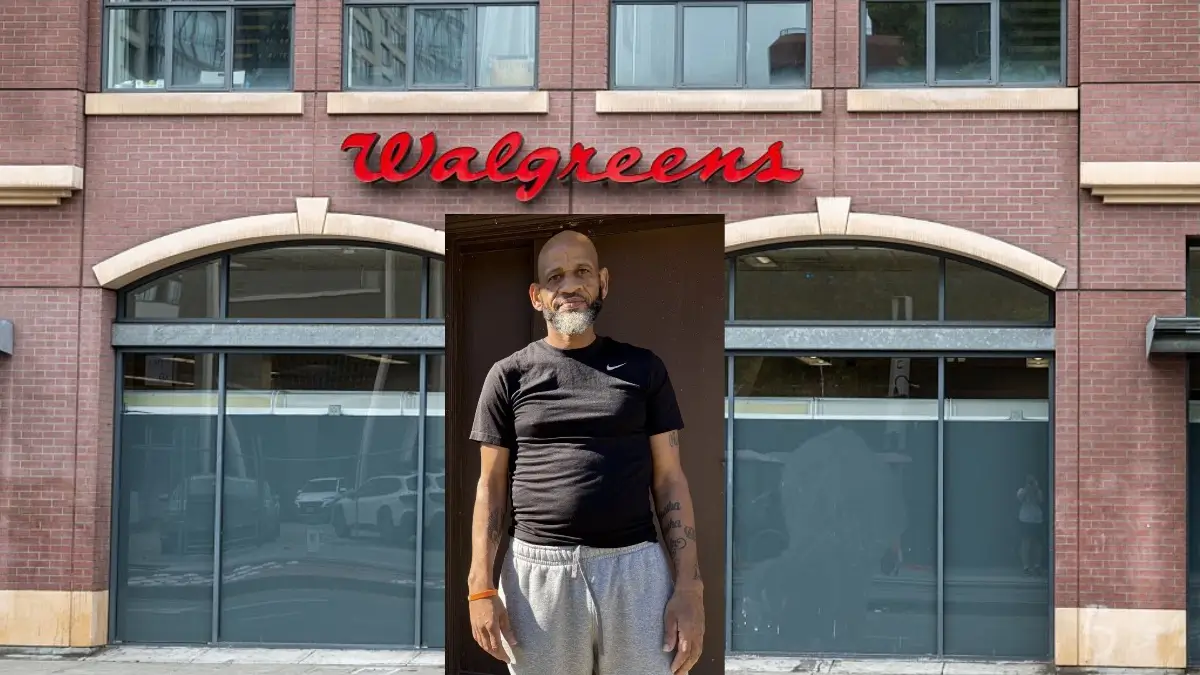
Alvin McDowell, a devoted father of nine, faced a harrowing ordeal that nearly claimed his life when he was shot just inches from his heart. On October 22, during what should have been a routine errand at a Louisville Walgreens, McDowell stepped in to offer help to a young boy he believed was shoplifting. His attempt to prevent a theft was met with an unexpected and violent response. Moments after his generous offer, a second teenager opened fire, leaving McDowell critically wounded. This shocking encounter shows the unpredictable and often dangerous intersections between community acts of goodwill and the pervasive presence of firearms on our streets.
McDowell's experience, as reported by Atlanta Black Star, starkly highlights the tragic consequences that can ensue when altruism is met with violence. In his effort to dissuade a 13-year-old boy from committing theft, McDowell unexpectedly found himself in a life-threatening situation. A 15-year-old, armed and willing to use a gun, quickly escalated what should have been a peaceful intervention. This rapid shift from a simple act of kindness to a violent confrontation left McDowell severely injured, requiring immediate medical attention and a fight for his life. The incident is a poignant reminder of the volatility present in situations involving firearms, especially among youth.
The police responded promptly to the distress call, arriving at the scene on West Broadway to find McDowell suffering from a gunshot wound to his chest. Emergency personnel acted swiftly, transporting him to UofL Hospital while the perpetrator had already managed to escape. The gravity of the situation became evident as McDowell's injuries demanded surgical intervention and an extended stay in the hospital. His retelling of the incident paints a vivid picture of how a simple, well-intentioned gesture spiraled into a life-threatening ordeal. What began as a routine act of kindness turned into a desperate struggle for survival, highlighting the unpredictable nature of such violent encounters.
The Atlanta Black Star video provides a compelling visual narrative of the events that unfolded, emphasizing the severity of the situation. The footage offers more than just a recount; it brings to life the chaotic and terrifying moments that McDowell experienced. Viewers can see firsthand the aftermath of the violence that erupted from his simple act of goodwill. The video not only documents the immediate response from law enforcement and the community but also contextualizes the broader implications of firearm accessibility among youth. It serves as a stark reminder of the dire consequences that can arise from the intersection of community vulnerability and youth violence.
The Louisville Metro Police Department swiftly announced the arrest of a 15-year-old suspect the day after the shooting, charging him with first-degree assault. This rapid arrest provided some measure of relief for a community shaken by the violence. However, it also raises significant questions about the circumstances that lead youths into violent behavior. The quick apprehension of the suspect shows the effectiveness of police operations but simultaneously points to deeper societal issues. What factors contribute to a teenager carrying a firearm and being ready to use it in such a situation? These questions challenge the community to examine the roots of violence and the environment that allows it to flourish.
This incident is not an isolated occurrence but rather part of a troubling pattern of youth violence that has plagued Louisville, particularly in neighborhoods like Chickasaw, where McDowell was shot. Despite official statistics indicating a decrease in overall gun violence across the city, the West End, including Chickasaw, remains disproportionately impacted. This disparity highlights long-standing systemic issues that continue to affect these communities, where economic neglect and social inequality often lead to tragic outcomes. The persistent cycle of violence in these areas reflects deeper failures in addressing the root causes, demanding a comprehensive approach to community safety and youth engagement.
However, beyond this singular incident lies a more profound narrative of systemic issues.
The deep-seated issues of youth violence and the lack of community resources are failures that run much deeper than one single incident.
At the heart of this tragedy is a community striving to shield its youth from the cycles of violence that claim too many lives. McDowell's actions are proof of the culture of care that exists within this community, standing in stark contrast to the violence that often lurks in its shadows. As a father of nine and a grandfather of two, McDowell has long been recognized for his generosity and willingness to help others in need. His actions exemplify the type of community involvement and engagement that, if more widely supported, could serve as a crucial lifeline for those at risk.
Yet, the challenges facing this community are deeply systemic. The pervasive issues of youth violence and the lack of adequate community resources represent failures that extend far beyond isolated incidents. Addressing these problems requires more than just increased policing; it demands a holistic approach that includes comprehensive support systems, enhanced economic opportunities, and meaningful youth engagement programs. The community is in dire need of investments in education, job training, and social services that can provide alternatives to violence and pathways to prosperity. Without such systemic changes, the cycle of violence and despair is likely to continue, undermining the potential for meaningful progress.
The broader implications for Louisville and other urban areas grappling with similar challenges are profound. While cities may report declines in crime statistics, the lived experiences of residents in neighborhoods like West Louisville tell a different, more complicated story. Programs such as Louisville's Safe Louisville plan must be critically evaluated not solely based on statistical outcomes but also on their tangible impact on the ground. Are these initiatives truly addressing the needs of the most affected communities, or are they merely providing temporary relief? A deeper examination of their effectiveness is essential to ensure that they contribute to sustainable, long-term solutions for reducing violence and enhancing community well-being.
The racial and socio-economic dynamics at play cannot be overlooked. Black communities, such as Chickasaw, often bear the brunt of policies that fail to address the underlying causes of crime, leaving young Black men caught in an unending cycle of violence. These communities face systemic barriers that exacerbate their vulnerability to crime, from underfunded schools and limited job opportunities to inadequate social services. McDowell's story serves as a painful reminder of the urgent need to confront these issues head-on, addressing not only the symptoms but also the root causes that perpetuate this cycle of violence and inequality.
Advertisement
As McDowell embarks on his path to recovery, the ongoing discourse surrounding prevention and intervention must be sustained and intensified. This incident should serve as a catalyst for leaders to critically examine existing systems and advocate for meaningful reforms that prioritize community health and safety. For us, the readers, the challenge lies in championing structural changes that aim to prevent future tragedies, creating environments where all individuals can feel secure. By pushing for policies that address the foundational issues of violence and inequality, we can contribute to a future that offers hope and safety for communities like Chickasaw.
More from PowerVault Network: