Juan Francisco Carranza Arrest: Gun Violence Against Kids in Florida
By Jasmine Reed, PowerVault Staff Juan Francisco Carranza, a 32-year-old resident of Florida, finds himself at the center of a serious legal storm following his arrest on charges that have rattled his community. The i...
Advertisement

By Jasmine Reed, PowerVault Staff
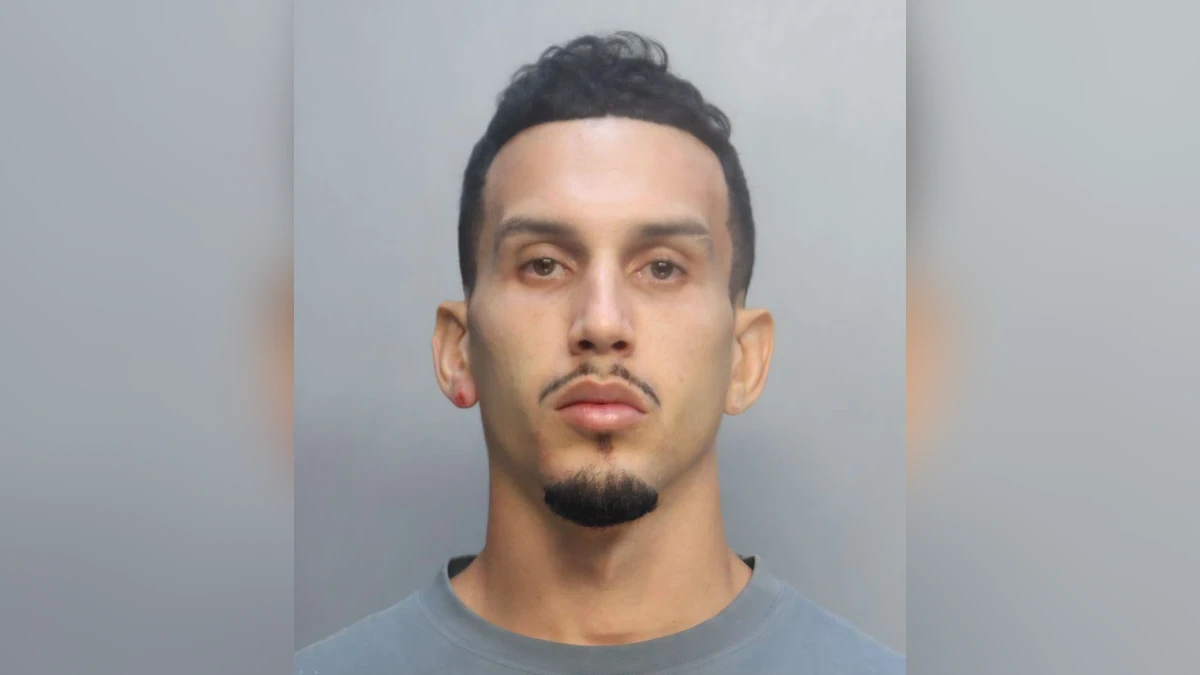
Juan Francisco Carranza, a 32-year-old resident of Florida, finds himself at the center of a serious legal storm following his arrest on charges that have rattled his community. The incident, which unfolded in his neighborhood, involved Carranza allegedly brandishing a firearm at a group of children engaged in a seemingly innocuous activity, playing a prank known as 'ding-dong ditch.' This act of aggression escalated to physical violence when, according to reports, Carranza struck one of the boys in the ear with the weapon, resulting in a severe laceration. The injury was so grave that it necessitated immediate medical attention, requiring multiple stitches to repair the damage. This incident has not only left a physical scar on the young victim but has also raised alarms about the safety and well-being of children in their own neighborhoods.
On October 28, the Miami-Dade Sheriff’s Office officially confirmed the arrest of Juan Francisco Carranza, a development that was covered by CBS News and quickly garnered widespread attention. Carranza is now facing serious charges, including one count of aggravated child abuse resulting in great bodily harm. In addition, he is charged with two counts of aggravated assault with a firearm, charges that reflect the gravity of the situation that unfolded on the evening of October 22. The confrontation occurred in a residential area where children were innocently playing the age-old game of 'ding-dong ditch,' a tradition that usually evokes laughter rather than fear. The charges paint a stark picture of a night where the lines between harmless fun and life-threatening danger were violently blurred, leaving a community grappling with the aftermath.
The arrest report provides a chilling account of the events that transpired on that October evening. A group of children, engaged in the familiar childhood prank of knocking on doors and running away, found their night taking an unexpectedly dark turn. As they moved from house to house, the mood shifted dramatically when a black Mercedes-Benz approached them. The driver, identified as Juan Francisco Carranza, exited the vehicle and confronted the children. What had been a lighthearted game suddenly became terrifying when Carranza allegedly reached into his pocket and brandished a handgun. This escalation from a playful prank to a potentially deadly encounter was captured on video, proof of the volatility that can erupt from situations that are, in essence, part of the fabric of childhood play.
In a moment that undoubtedly left the children paralyzed with fear, Carranza is reported to have demanded that the group identify 'who was the oldest,' a question posed with a firearm uncomfortably close to their faces. The failure of the children to respond to his demands allegedly provoked Carranza to violence. He struck one of the boys with the gun, inflicting a deep and painful cut to the child's left ear. The injury was severe enough to require immediate medical attention, and the boy was rushed to the hospital where he received multiple stitches. This act of violence, particularly against a child, shows the unpredictable and dangerous outcomes that can arise when firearms are introduced into community settings, raising questions about the pervasive presence of weapons in residential neighborhoods.
It was not until the following day that the full extent of the incident came to light. Another boy, who had witnessed the shocking events of the previous night, reported the altercation to deputies, setting in motion the legal proceedings that would follow. Upon his arrest, Carranza was read his Miranda rights, a standard procedure meant to ensure that suspects are aware of their legal rights. During this process, Carranza reportedly made a partial admission of guilt, although he chose to remain silent on the specific details regarding his possession of a firearm during the incident, opting to wait for legal counsel before providing further statements. The video footage available offers a stark visual account of the chaos and fear that unfolded, providing crucial evidence in the ongoing investigation.
The incident involving Carranza and the children is not an isolated occurrence but rather a reflection of a growing trend where minor provocations are met with extreme and often violent responses. This pattern is disturbingly reminiscent of other recent events, such as the tragedy in Louisville, where a father of nine was fatally shot after a simple act of kindness, offering to buy snacks for a young boy. Such incidents highlight a societal shift where the escalation to violence seems to be an increasingly common response to everyday interactions. This troubling trend suggests a breakdown in social norms and a growing propensity to resolve even minor disputes with lethal force. It raises critical questions about our current societal climate and the deep-seated issues that fuel such violent reactions.
But this is more than just another case. It’s an indictment of society’s inability to safeguard its children from such violence. When the simple joys of childhood become a prelude to violence, it raises urgent questions about community safety and the systemic factors that allow firearms to become tools of intimidation rather than protection.
This incident is a stark reminder of the dangers faced by children in communities where violence is a too-common response.
The situation in Miami-Dade is a poignant reminder of the vulnerabilities faced by children in environments where violence has become an all-too-common response. The fact that an innocent prank could escalate into a violent encounter involving a firearm is deeply concerning. It prompts a critical examination of why lethal weaponry is considered an acceptable first line of defense against children’s games in some neighborhoods. This incident shows a broader societal issue, where the presence of guns in communities leads to disproportionate responses to non-threatening situations. It challenges us to reflect on the measures in place to protect our youth and to consider how community safety can be prioritized when the potential for violence lurks even in the most innocent of activities.
The repercussions of this incident extend far beyond the boundaries of Miami-Dade County, prompting a national discussion on gun violence and its pervasive impact on youth interactions. It forces us to confront why firearms are so readily deployed in conflicts involving young people, especially within communities already burdened by systemic challenges. This situation raises profound questions about whether there is a broader cultural acceptance of violence as a normative response. When examining the frequency with which guns are involved in everyday disputes, we must question the societal values and policies that allow for such an escalation. This incident serves as a catalyst to explore the deeper cultural issues that contribute to the normalization of violence and to seek solutions that prioritize safety and conflict resolution without resorting to firearms.
For the Black community, incidents like this resonate deeply, echoing long-standing frustrations around policing, community safety, and systemic injustice. Historically, minor infractions within Black communities have often been met with disproportionately harsh responses, a pattern that continues to evoke anger and calls for change. The demand for justice in this case is not merely about addressing an isolated incident but is part of a broader movement to rectify a legacy of grievances that have been ignored or minimized. It highlights the urgent need for equitable treatment and fairness in law enforcement practices, reflecting a desire for a justice system that genuinely serves and protects all communities. This event becomes a focal point for ongoing discussions about racial equity and the need for reforms that address systemic biases in policing and community safety.
Examining the broader societal implications of this incident reveals that systemic inequalities significantly contribute to the frequency and nature of such events. The availability of guns in neighborhoods often targeted by socio-economic challenges exacerbates the risk that innocuous actions will be met with severe, sometimes fatal, consequences. This reality shows the pressing need for policy reforms and community engagement strategies that address these disparities. It calls for urgent action to implement measures that reduce the presence of firearms in vulnerable communities and promote conflict resolution methodologies that prioritize dialogue and understanding over violence. By addressing these systemic issues, there is hope for fostering safer environments where children can engage in the innocent joys of youth without fear of violent repercussions.
Advertisement
As the legal proceedings in Carranza's case progress, there will be significant public and media attention on the outcomes and implications of this trial. The judge's decision to set a $15,000 bond and the order for Carranza to avoid contact with the victims are just initial steps in what promises to be a closely scrutinized legal journey. This case presents an opportunity to reflect on and potentially reevaluate community strategies regarding firearm possession and use. It is a moment to consider legislative changes that not only aim to penalize instances of gun misuse but also proactively prevent such dangerous situations from arising. The hope is that through these proceedings, there will be a renewed commitment to fostering safer communities and ensuring that justice systems are robust enough to deter and address firearm-related violence effectively.
More from PowerVault Network: