Meek Mill Says He May Quit Rap Over New York Show
By Simone Walker, PowerVault Staff Meek Mill says he may quit rap if booking and funding his own New York show proves him wrong. He also put his role at REFORM on the line. The wager grew out of a dispute with Live Na...
Advertisement

By Simone Walker, PowerVault Staff
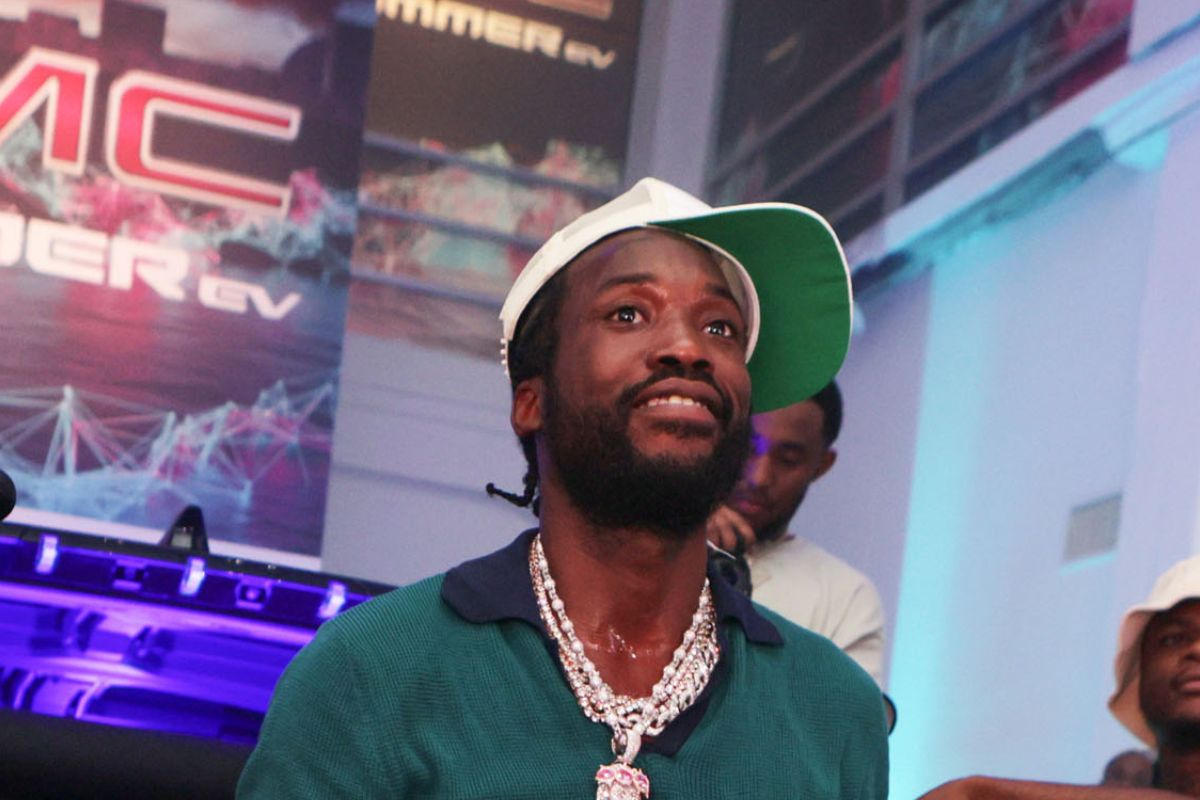
Meek Mill says he may quit rap if booking and funding his own New York show proves him wrong. He also put his role at REFORM on the line. The wager grew out of a dispute with Live Nation over where he can perform, who can book him and how his shows are promoted. Retirement is the headline, but who gets to make those decisions is the story.
Meek laid out the plan on X, writing, “Nyc will be my next show ima book and run it” and later in the same post, “im willing to bet my legacy on it!” He said he would do it before 2027. A separate post spelled out what he intended to take on himself: the money and the production. That gives the promise a deadline, but the posts cited in PowerVault’s original coverage did not give fans a date or venue.
The Dream Chasers Nights run opened in Philadelphia on November 24. New York was never on the original itinerary, and Ticketmaster listed all five remaining dates as canceled, including the November 29 stop at the Hollywood Palladium in Los Angeles. Those are two different developments. New York fans never had a date on that schedule to lose, and the listings don’t say why the other dates were canceled.
Meek’s routing argument was specific: Philadelphia should have led to New York, not Los Angeles. The short trip between those cities makes his choice easy to understand. Still, a sensible route on a map doesn’t settle what was available to book or which terms made sense. That’s why his proposed concert matters. It would put his preferred next stop in front of paying fans instead of leaving it as an argument over an itinerary.
There are limits to what the public can call here. Meek has described a dispute over booking and promotion, but the reporting does not establish which terms governed those decisions or who made each call. A cancellation notice can tell a fan to change their plans. It cannot tell anyone who had the power to change the tour.
PVN’s read: Meek should name what would count as being wrong before tickets go on sale. Is his point that New York should have been on the route, that his team can promote the show better, or that he can run a concert on terms he prefers? Those are different tests. A packed room could settle the first one for plenty of fans and still leave the second one open, especially since there was no New York date on the original run to compare it with.
Paying for the show himself also puts the costs in the picture. PVN’s coverage of Westside Gunn’s Big Dump Saucony drop offers another entry into that conversation about how rappers turn audience loyalty into business. A concert has its own math. A room can be full and still cost more to stage than it brings in. The receipt that matters depends on whether Meek wants to prove demand or test a business model.
The crowd can prove it wanted the show without proving the business was fair.
The REFORM pledge is where Meek’s bet gets harder to defend. A rapper can decide what would make him walk away from recording. His role in reform work deserves a standard tied to that work, not a verdict delivered at a box office. Putting both on the line makes for a bigger post, but it asks one concert to judge two very different commitments.
The industry politics deserve more attention than the retirement talk. A Black artist can be the reason people buy a ticket without being the person who decides where that ticket goes on sale. That gap is worth scrutinizing without treating this dispute as proof of discrimination. From PVN’s perspective, the question is what leverage the artist gets from bringing the audience, especially when using that leverage may mean putting up the money himself.
For fans, buying a ticket should not double as a vote on whether Meek stays in rap. New York listeners can want the show and still care about the price, the venue and whether the date works for them. The crowd can prove it wanted the show without proving the business was fair. Nobody owes a promoter or an artist a purchase just to win a point in a dispute they didn’t start.
Advertisement
Watch for the venue, the date and the ticket terms before treating the New York show as booked. If it happens, listen for what Meek says he was able to do differently and what he would do again without a retirement pledge attached. The more useful victory would be a way to book the next show without betting his career on it.
More from PowerVault Network: