Memphis Mother Charged With Murder After Finding Intruder Under Daughter's Bed — What Happens Next?
By Simone Walker, PowerVault Staff On a typical evening in Memphis, Tennessee, a mother’s ordinary night turned into a scene of chaos and confusion. In what should have been a peaceful night at home, the sound of a gu...
Advertisement

By Simone Walker, PowerVault Staff
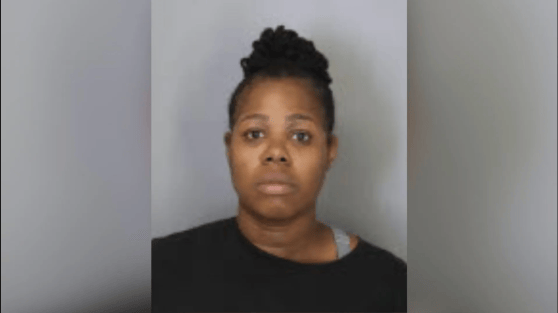
On a typical evening in Memphis, Tennessee, a mother’s ordinary night turned into a scene of chaos and confusion. In what should have been a peaceful night at home, the sound of a gunshot shattered the tranquility. A Black mother, whose identity has been withheld, found a man hiding under her daughter’s bed and, in a moment of fear and desperation, shot him dead. Now, she faces a first-degree murder charge, raising questions about the motivations behind her actions and the systemic failures that led to this tragic confrontation.
According to reports, the mother discovered the intruder lurking in a space meant for safety and innocence,a child's bedroom. Described as a protective figure, she likely felt an overwhelming need to defend her daughter from an unknown threat. The immediate reaction, however, was one of violence, leaving the community to grapple with the implications of such a drastic choice. The shooting has escalated into a complex legal case, with opinions sharply divided over whether her actions were justifiable self-defense or a reckless act of aggression.
This incident prompts a deeper examination of parental instincts, societal safety nets, and the criminal justice system. The mother claimed she acted in self-defense, a notion that raises critical questions about the broader context in which Black mothers navigate their parenting. Across America, Black parents often face unique anxieties regarding their children's safety,whether from potential intruders or systemic societal threats. The question arises: did she feel cornered not just by the physical presence of an intruder, but by a system that often fails to protect her and her family?
Statistically, communities of color endure higher rates of violent crime while also experiencing disproportionate policing and punishment from the justice system. The fear of “who might harm my child” is compounded by the dread of “how the law might punish me” should I take action to protect them. In this case, the mother’s fear materialized into violence, but what factors contributed to such a drastic response? Was she aware of the legal repercussions she might face in a society that often vilifies Black individuals, particularly Black women, for their protective instincts?
The implications of this case extend beyond one family; they highlight a systemic failure in the way communities are protected or neglected. For many Black families, feeling secure at home is a privilege not evenly distributed. When safety measures malfunction,whether through community violence or systemic negligence,the outcomes can be disastrous. The mother’s action could be seen as a desperate attempt to reclaim safety for her family in a world where the balance of protection and peril is often skewed.
Moreover, the legal landscape surrounding self-defense claims can be particularly murky for Black individuals. The doctrine of self-defense is often fraught with inconsistencies, especially in racially charged contexts. Historical precedence reveals that Black individuals, especially women, have faced significant hurdles in demonstrating justified use of force in the eyes of the law. How will the courts interpret her actions? Will they see a mother defending her child or a reckless individual who took a life? The answer may be influenced by racial biases that have long pervaded the criminal justice system, complicating the search for justice.
This case has the potential to reverberate through discussions about gun control, self-defense laws, and racial equity in the justice system. As the legal proceedings unfold, it will be critical to scrutinize not just the actions of the mother that night, but the societal structures that allowed her to feel such immense fear in her own home. The ramifications of this tragedy could spur a larger dialogue about safety, parenting, and justice in Black communities.
As the community grapples with this incident, there lies a tension between a mother’s instinct to protect and the legal repercussions of her actions. The presiding narrative could shift,will she be painted as a heroic protector or a reckless criminal? The case is still developing, and as more details emerge, the public discourse will likely intensify.
Advertisement
Ultimately, the focus should not solely rest on the mother’s actions but rather on what the situation uncovers about the society that shaped them. This tragedy shines a light on the urgent need for comprehensive mental health resources, community safety initiatives, and a reevaluation of how the justice system addresses self-defense claims, particularly for marginalized communities.
The broader implications of this case challenge everyone to think critically about the intersections of race, safety, and justice. As society watches this story unfold, it serves as a reminder that every action has a backdrop steeped in history, culture, and systemic inequities. Moving forward, the real question isn't just about whether justice will be served in this case but also how we can address the underlying issues that lead to such desperate situations in the first place.