Michelle Parker's Disappearance: New Arrest and the Cold Case That Haunts Orlando
By Jasmine Reed, PowerVault Staff A sunny afternoon turned ominous as Michelle Parker's black Hummer rolled up to her ex-fiancé's apartment complex in Orlando, never to be seen again. This was not the first time her l...
By Jasmine Reed, PowerVault Staff
A sunny afternoon turned ominous as Michelle Parker's black Hummer rolled up to her ex-fiancé's apartment complex in Orlando, never to be seen again. This was not the first time her life had been shadowed by conflict. The vibrant mother of three had just aired her grievances on national television, accusing the father of her twins of violence and substance abuse. Her allegations were not just personal but a public plea for accountability, a stark reminder that domestic issues often remain hidden until they escalate. Less than an hour later, she vanished without a trace. This disappearance, much like a shadow, has loomed over Central Florida for years, haunting the community and becoming a cold case once thought unsolvable.
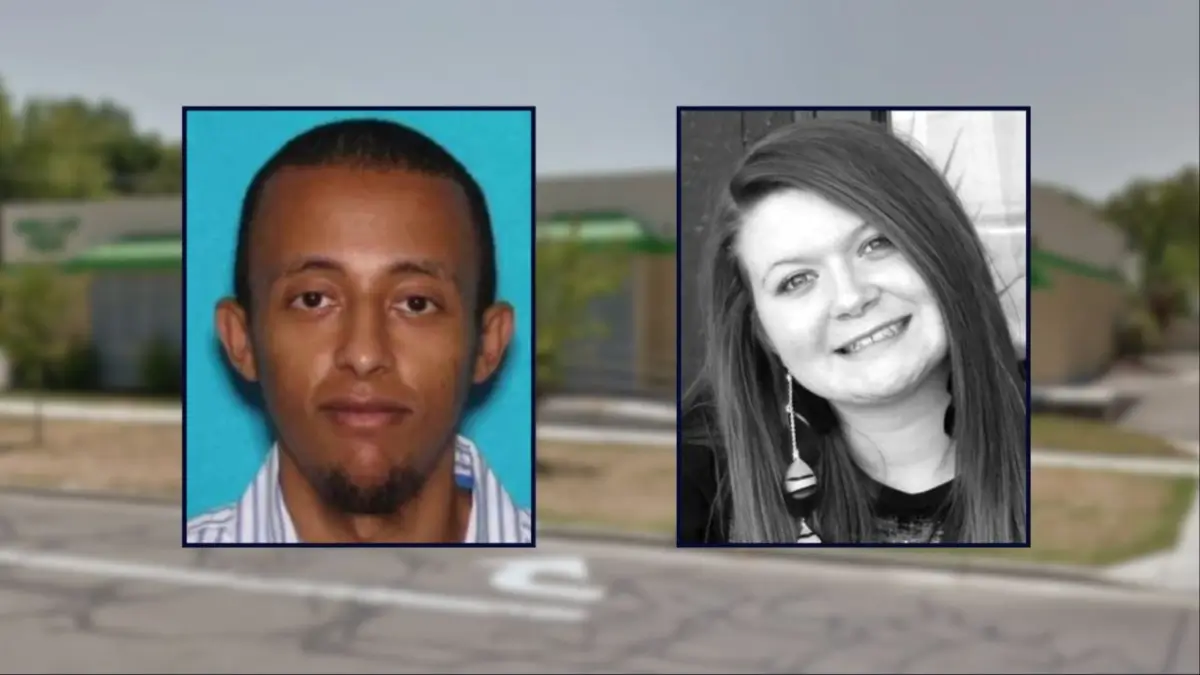
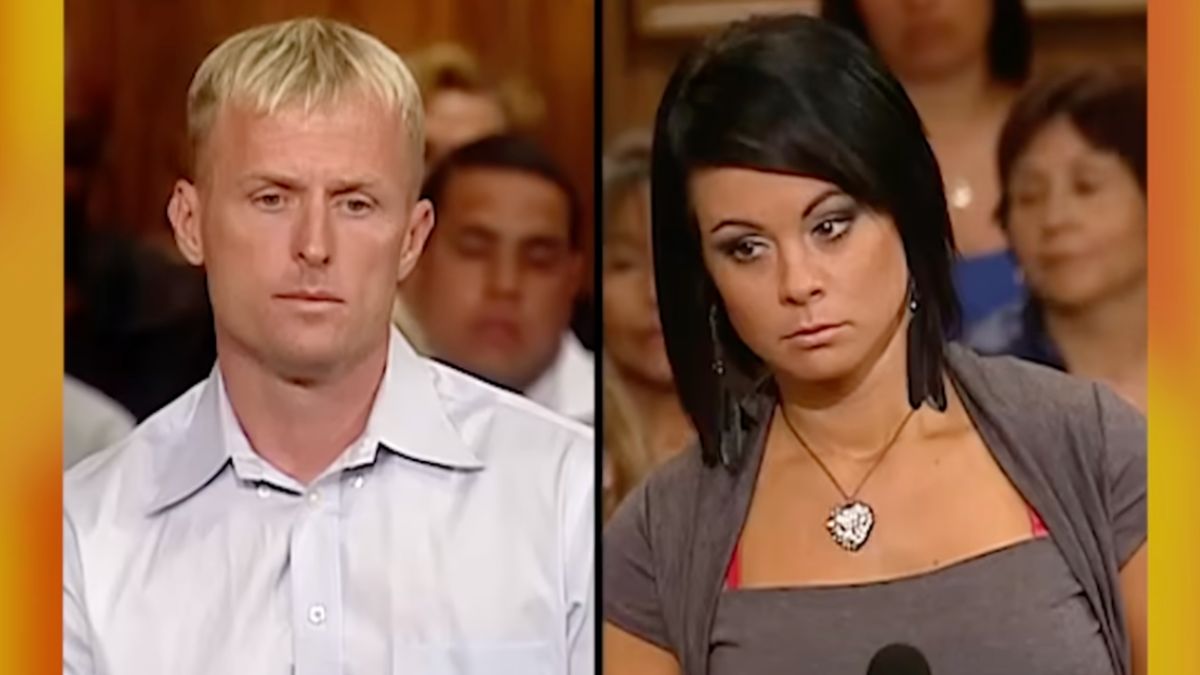
Michelle Parker's story flashed across screens nationwide on 'The People’s Court,' where she tangled with Dale Smith Jr. Over a dispute that seemed innocuous, a $5,000 engagement ring. Yet, the underlying tensions ran deeper, touching on issues of power, control, and a turbulent relationship marked by allegations of violence. WKMG News 6 reported that hours after the episode aired, Parker's trail went cold. Her last known movements paint a haunting portrait of her final hours, a snapshot of a life interrupted. This timeline of events adds gravity to the recent arrest of Smith on Oct. 14 for second-degree murder, bringing this long-simmering case back into the spotlight and renewing calls for justice.
As the facts of the case unfolded, records revealed that a security camera captured Parker entering Smith’s apartment community at 3:18 p.m. This was the last time she was seen alive. The last communication from her phone came an hour later, indicating she was in 'Waterford,' a message that seemed to suggest normalcy. However, cell tower data contradicted this, placing her near Hoffner Avenue, close to Smith’s apartment. This discrepancy in her location raised immediate red flags. The Orlando Police's announcement below sheds more light on these initial findings, highlighting the importance of digital evidence in reconstructing the timeline of her disappearance and questioning the narrative presented by the suspect.
Around 8 p.m. That night, Parker’s cell phone ceased to respond, its signal going dark near Belle Isle, a location far from where she was last seen. Days later, divers retrieved the device from beneath a Lake Conway bridge, a silent witness to her fate, submerged in the depths as if to erase its digital memory. Disturbingly, cameras later captured Parker’s black Hummer, its distinctive stickers stripped away, abandoned near another apartment complex. These visual clues, while significant, were not enough to connect the dots. Despite these pieces of evidence, Smith remained a free man for years, as the puzzle stayed frustratingly incomplete, highlighting the challenges investigators faced in piecing together her final moments.
Orlando Police had long named Smith as a suspect, yet concrete evidence eluded them. It took technological advances, with a broadened investigative team and the re-examination of testimonies, to finally make headway in this labyrinthine case. New techniques in digital forensics allowed investigators to uncover details previously obscured, transforming vague suspicions into actionable insights. The case resurfaced with newfound vigor, sparking hope in a story once thought dormant, as investigators pieced together a narrative that had long eluded clarity. For a glimpse into this case's dramatic evolution, the video below provides context, illustrating the persistent efforts of law enforcement and the undying hope of a family seeking justice.
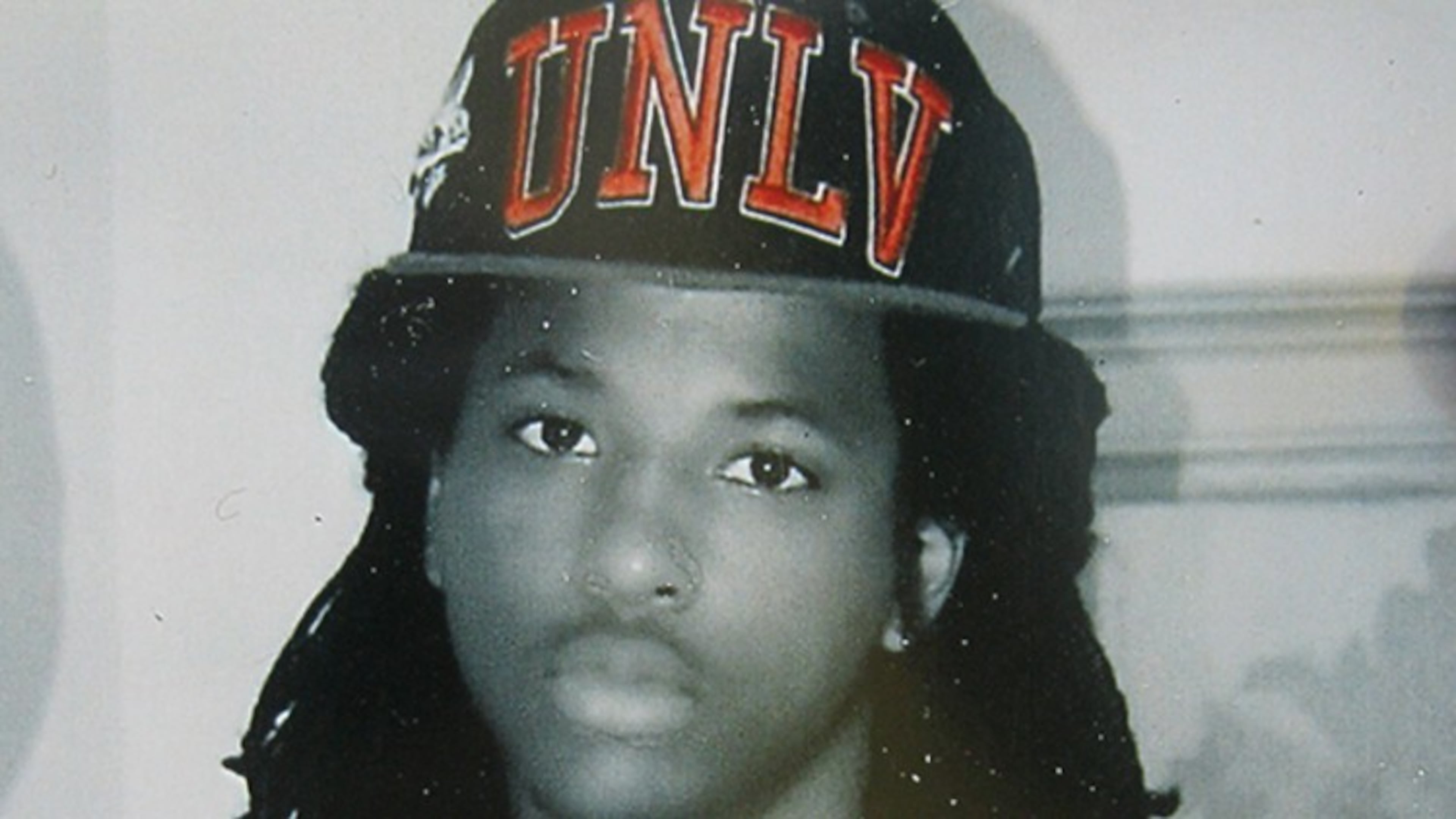
Parker’s disappearance echoes historically within a troubling pattern of unsolved cases involving Black women. This pattern is not merely coincidental but indicative of a systemic oversight that has plagued law enforcement for decades. Much like the case of Kendrick Johnson, whose family battles for justice and transparency, Parker's story puts a spotlight on systemic failures in addressing such disappearances. The lack of urgency and attention to detail in these cases often reflects broader societal biases. Over the years, similar cases have highlighted the disparities in investigative diligence and public attention, a cycle that must be broken to ensure equitable justice for all victims, regardless of race or gender.
Cold cases often dim in the public's eye, yet Parker's return to the headlines serves as a stark reminder that justice delayed is not justice denied.
The troubling part of this case is not just the lack of closure for Parker's family but what it reveals about systemic failures in investigating crimes against Black women.
For Parker’s family, this arrest is a bittersweet moment. It acknowledges their relentless fight for answers but shows the unbearable weight of years lost to uncertainty and grief. For over a decade, they have lived in a limbo of hope and despair, waiting for the day when justice might prevail. The troubling part of this case is not just the lack of closure for Parker's family but what it reveals about systemic failures in investigating crimes against Black women. These failures are not isolated but part of a broader pattern of neglect and oversight. How many more families must linger in anguish because of these lapses? This case calls for a reevaluation of priorities and a commitment to justice for all.
The legal system's handling of Parker's case reflects broader issues within law enforcement. The delay in addressing this disappearance, despite mounting evidence, points to a need for reform in procedural priorities and investigative methodologies. The introduction of advanced forensics has been a game-changer, uncovering evidence that was previously unreachable. However, technology alone can't account for the time lost to inaction or oversight. To avoid future failings, systemic changes are necessary, particularly in how cases involving marginalized communities are prioritized and pursued. Ensuring these cases receive the attention they deserve is imperative for restoring public trust and delivering justice to those who have long been denied.
For the community, Parker's story is a piercing reminder of the fragility of justice. It calls for vigilance and advocacy to ensure that voices like hers aren't drowned out by systemic neglect. This case is not an isolated incident but a reflection of broader cultural and societal dynamics that often overlook or underestimate the struggles of marginalized groups. The challenges detailed in news reports and police announcements serve as a microcosm of the larger issues at play, emphasizing the need for community solidarity and systemic reform. The video below captures these sentiments, urging viewers to stay engaged and informed in the fight for justice and equality.