Ohio Mom November Brooks Allegedly Orders Teen Fight: A Deeper Look into Parental Influence and Justice
By Andre Coleman, PowerVault Staff The crisp Ohio air carried a sense of urgency as a mother allegedly orchestrated a fight between her teenage daughter and a classmate. This wasn't just a schoolyard showdown; it was...
By Andre Coleman, PowerVault Staff
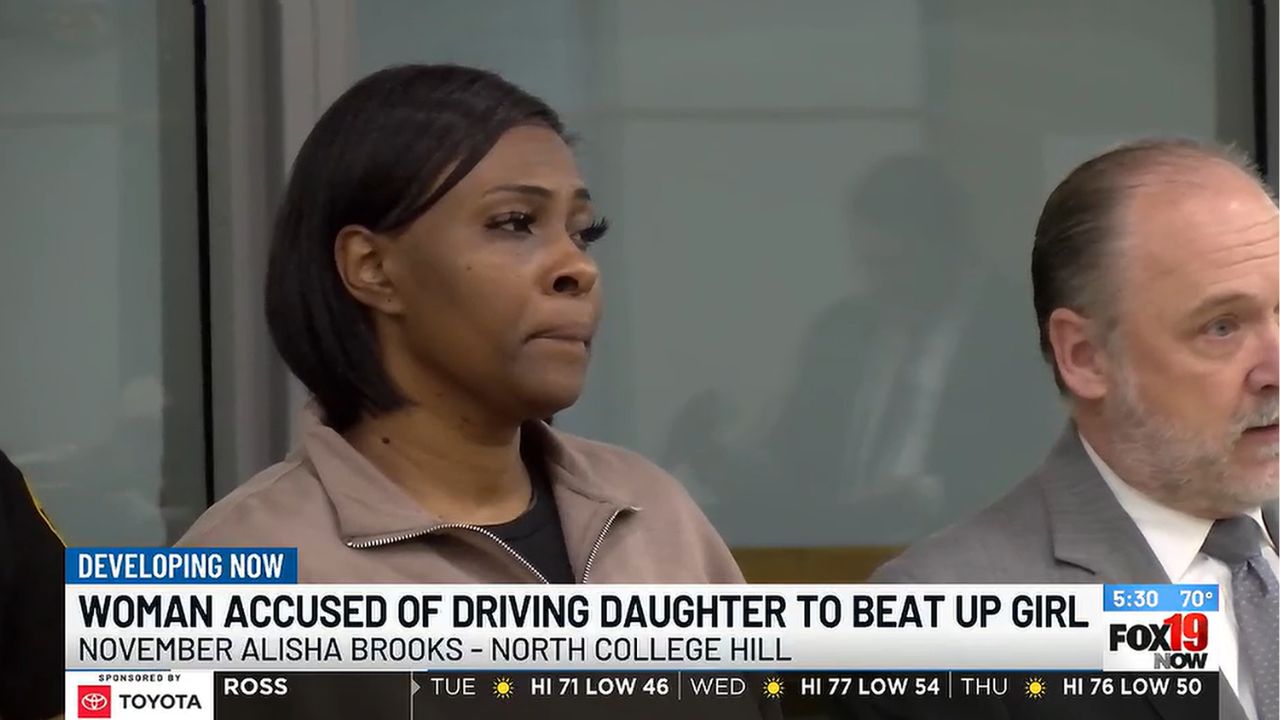
The crisp Ohio air carried a sense of urgency as a mother allegedly orchestrated a fight between her teenage daughter and a classmate. This wasn't just a schoolyard showdown; it was an incident that put a spotlight on parental influence in teenage conflicts and the justice system's handling of such scenarios. The incident involved November Brooks, a 38-year-old mother from Ohio, who was released on her own recognizance after reportedly pushing her daughter into a physical confrontation with another teen over a social media squabble.
Brooks's courtroom appearance was standard, devoid of the drama one might expect from a headline-grabbing case. As she stood beside her attorney, the questions hanging in the air were less about the specifics of the incident and more about the broader implications of parental roles in escalating teen conflicts. This is not an isolated case. Incidents like these raise questions about how parents are sometimes complicit in perpetuating cycles of violence among youth, intentionally or otherwise.
Local reports reveal that this wasn't just a heated moment between teenagers but a calculated encounter with Brooks allegedly egging on her daughter to confront another teen. Such incidents beg the question of how far parental involvement should go in disputes that ideally should be resolved through dialogue and understanding, not violence.
But what drives a parent to such actions? Historically, parental influence in children's conflicts is not new. It echoes past instances where parents have either directly or indirectly encouraged their children to engage in fights, sometimes with tragic outcomes. In some ways, it mirrors the amplified tensions we've seen in scenarios like the recent case of Nolan Wells, where adult decisions have profound impacts on youth.
The video below captures the essence of the courtroom proceedings, providing a glimpse into the legal back-and-forth and the absence of bail as a penalty for Brooks.
This case is not just about a singular incident but a reflection of systemic issues within our cultural and judicial landscapes. It raises valid concerns about how effectively the justice system addresses such cases and whether the outcomes truly deter future incidents. The decision to release Brooks on her own recognizance could be seen as leniency or a systemic failure to recognize the gravity of adult-instigated violence.
Moreover, this incident highlights a cultural pattern where digital disputes bleed into real-world confrontations. With social media's pervasive influence, digital spats can quickly escalate into physical altercations, often without mediation from platforms that host these conflicts. It's a stark reminder of the power and peril of social media as a battleground.
From a judicial perspective, the handling of cases like Brooks's often leaves the public questioning the adequacy of current legal frameworks in resolving or deterring violence induced by parental actions. The decision not to impose bail sends a conflicting message about accountability, especially when adults are involved in provoking youth violence. It's a pattern reminiscent of the judicial leniency observed in the controversial Collin McLaughlin case, where the implications of privilege and systemic inequities stirred public outcry.The justice system's response to such cases often feels like a mere slap on the wrist, reflecting deeper systemic flaws.
The implications extend beyond law into our cultural psyche. It forces us to confront uncomfortable truths about the roles adults play in shaping youth behavior. Are we as a society inadvertently modeling conflict resolution through aggression? The ramifications of these actions are not confined to the courtroom but resonate across communities, influencing societal norms and potentially perpetuating cycles of violence.
The cultural dynamics at play here can't be ignored. In communities where resources are scarce and systemic support systems are lacking, conflicts often escalate unchecked. This connects back to issues within broader societal contexts, such as community support initiatives and their role in providing alternative outlets for youth expression and conflict resolution.
We've seen technology's impact, where a smartphone camera can capture instant evidence of events as they unfold, and yet, the digital evidence sometimes only scratches the surface of deeper systemic issues. The second video showcases another layer of this complexity, shedding light on the public discourse surrounding the case.
As we consider the path forward, it’s clear that addressing the root causes of these conflicts requires more than punitive measures. It demands a cultural shift towards accountability at all levels, parents, educators, and community leaders. This means creating environments where dialogue, rather than violence, becomes the default mode of conflict resolution. The challenge lies in how communities can rally to provide these supportive avenues, a topic at the heart of many discussions in the wake of increasing youth exposure to violence.
Ultimately, the case of November Brooks should serve as a catalyst for discussions around parental responsibility, the justice system's role, and the cultural narratives we perpetuate. As we watch the legal proceedings unfold, what remains pivotal is our response, both individually and collectively, to prevent such incidents from becoming normalized in our communities.