Omega Psi Phi at 115: What Founders’ Day Should Honor
By Marcus Ellison, PowerVault Staff The names bring star power. Manhood, scholarship, perseverance and uplift give the occasion its substance. Both deserve room in the celebration, without one swallowing the other. Th...
Advertisement

By Marcus Ellison, PowerVault Staff
The names bring star power. Manhood, scholarship, perseverance and uplift give the occasion its substance. Both deserve room in the celebration, without one swallowing the other.
The source identifies undergraduate founders Edgar Amos Love, Oscar James Cooper and Frank Coleman. That campus origin matters: education belongs near the front of this story, not tucked beneath a celebrity roll call.
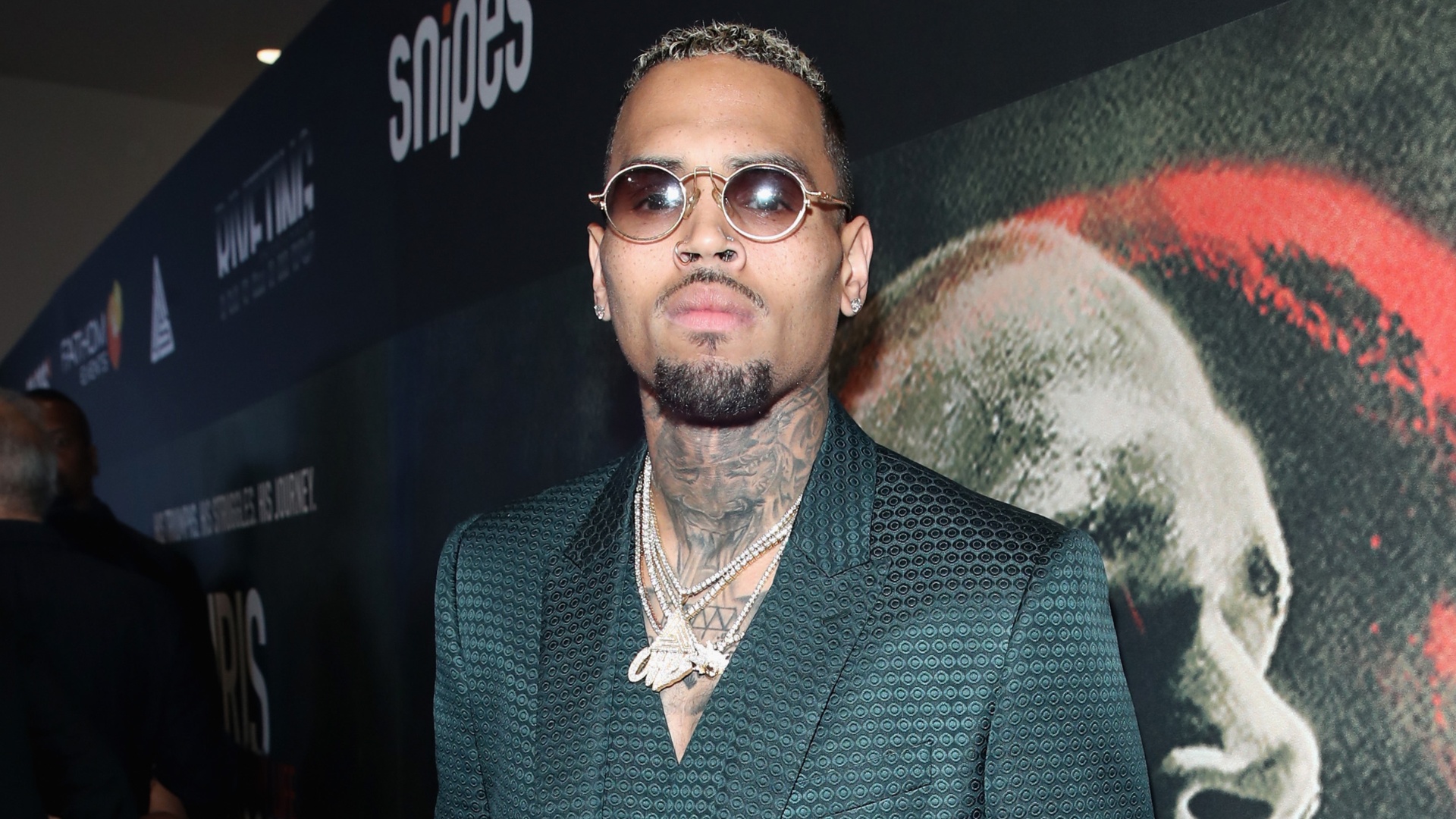
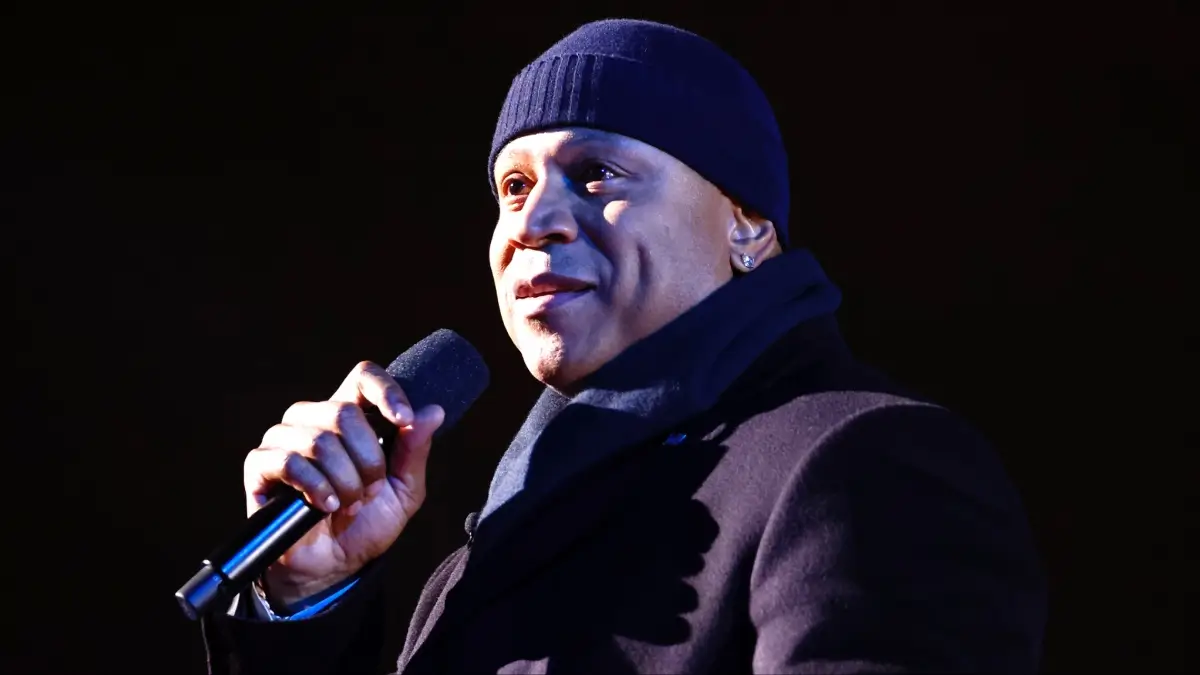
The famous brothers certainly make an entrance. Bossip names Michael Jordan, Shaquille O’Neal, Steve Harvey, Tom Joyner, Rickey Smiley, Stephen A. Smith, Terrence J and Jalen Hurts among Omega’s members. That is a serious lineup across sports and entertainment. The accompanying video follows below.
Hurts supplies the clearest explanation of what membership means to him. Discussing Omega’s cardinal principles with Andscape, he said, “And I feel like that’s something that is a good structure for me, a good structure for me and the man that I want to be.” The emphasis lands on becoming, not arriving.
That distinction gives this celebration somewhere useful to go. Hurts describes a structure for his life rather than presenting membership as proof that every standard has already been met. For a public figure, that is a more meaningful statement than another credential beside his name. The first accompanying Instagram post follows below.
PVN’s take: Hurts’ words leave room for growth, and that deserves attention. A principle becomes useful when someone has to practice it beyond a ceremony or photograph. His statement offers a way to discuss manhood without pretending a title, athletic achievement or famous affiliation makes anyone a finished product.
The four principles also give readers a better framework than ranking the best known brothers. Scholarship asks what someone continues to learn. Perseverance points toward sustained effort. Uplift directs attention beyond personal success. Those are editorial interpretations of the stated values, not claims about any individual member’s private conduct.
Celebrity can bring people to the celebration, but it should not decide whose contributions count.
Celebrity can bring people to the celebration, but it should not decide whose contributions count. A famous brother has a recognizable name and a ready audience. An unfamiliar brother should not need either to deserve recognition. A tribute becomes stronger when visibility opens the door instead of becoming the admission requirement.
The gallery format has its place, too. Black men deserve to be photographed, admired and celebrated without every image becoming a character examination. The editorial question is whether the surrounding coverage offers readers anything beyond appearance. A good photo can invite attention; thoughtful context gives that attention somewhere to go. Another accompanying Instagram post follows below.
For Black media, the responsibility runs in both directions. Coverage should resist reducing Black men to trouble, but celebration should not reduce them to looks or status either. There is room for charm, achievement, intellect and service in the same frame. Nobody needs to make Black joy smaller to make it thoughtful.
Readers have a role here, especially when celebrity becomes shorthand for community value. Famous membership can be interesting without becoming the only membership worth discussing. Founders’ Day offers a chance to ask which qualities earn recognition in everyday life. Popularity is easy to count. Dependability requires closer attention.
Howard also deserves to remain visible in the story. The fraternity’s beginnings connect this anniversary to a Black educational institution, not merely to entertainment. Readers interested in that campus connection can explore PVN’s coverage of Chuck Creekmur guest lecturing at Howard University. Education belongs in the celebration’s foreground.
Campus celebration and serious purpose do not have to compete. Bossip’s Howard homecoming gallery offers another example of the outlet’s celebratory approach. The editorial opportunity is to let style attract readers without asking style to explain an institution’s entire significance. Looking good can be part of the story without carrying all of it.
That same judgment applies across celebrity galleries. PVN’s coverage of Queen Latifah in Bossip’s celebratory roundup sits within that broader editorial category. The useful question for any such feature is what readers gain beyond recognition. A familiar face gets the click; a considered perspective should reward it.
None of this requires turning Founders’ Day into a performance review. Flowers can be flowers. The point is to give specific ones: for learning, for sticking with difficult work, for helping somebody else move forward. Those examples describe ways to recognize the stated principles, not undocumented accomplishments being assigned to the men named here.
Advertisement
The next step belongs to the people doing the celebrating. Honor the famous brothers, enjoy the photographs and keep the four principles in view after the anniversary attention moves elsewhere. Then make room for an Omega man whose name never makes a headline. The strongest tribute recognizes the work even when fame is nowhere around.
More from PowerVault Network: