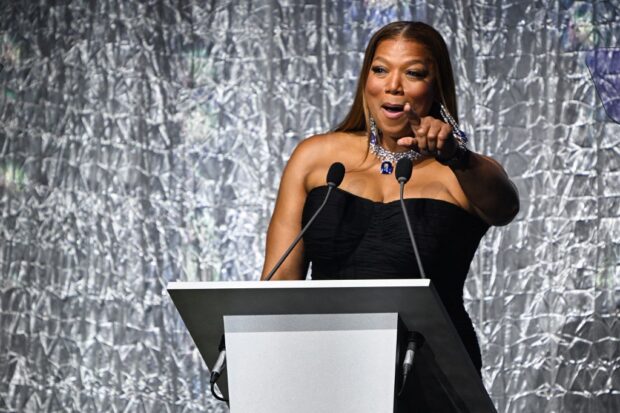
Queen Latifah Among Bossip’s 50 Queer Queens for WCW
By Malik Carter, PowerVault Staff Queen Latifah leads Bossip’s latest Women Crush Wednesday celebration of 50 queer queens, putting Black queer visibility on the entertainment agenda without requiring a scandal. The B...
Advertisement

By Malik Carter, PowerVault Staff
Queen Latifah leads Bossip’s latest Women Crush Wednesday celebration of 50 queer queens, putting Black queer visibility on the entertainment agenda without requiring a scandal.
The Bossip roundup also spotlights Doechii and Janelle Monáe, mixing beauty appreciation with attention to their public work. PVN’s coverage of the WCW selection captures the headline. The more useful conversation starts with what readers do after admiring the pictures.
A crush list is allowed to be a crush list. Nobody needs to submit a cultural studies paper before saying Queen Latifah looks good. Still, the editorial choice matters. These women are being presented as people worth celebrating, rather than subjects whose identities need explaining or defending.
PVN’s take: that framing gives the people featured something celebrity coverage too often withholds, room to enjoy being seen. A celebratory feature does not have to become a debate about whether someone deserves acceptance. The assignment can simply be appreciation. There is dignity in letting that remain the assignment.
Bossip connects its selections to more than appearance. The supplied summary references Doechii’s Grammy attention and Monáe hosting a special screening of Your Mother, Your Mother, Your Mother. Those details give readers somewhere to go beyond a red carpet image. They point back toward work, performance and creative presence.
The distinction matters because a beauty roundup can either introduce an artist or flatten her. A photograph catches the eye. Naming the project gives that attention a destination. Editors do not need to turn every caption into a résumé, but leaving out the work makes the celebration smaller than its subject.
Award language deserves the same care as identity language. PVN’s coverage of Grammy nominations and the meaning of “new” offers a related subject for readers. Here, the supplied summary does not include underlying awards records. Specific nomination totals and ceremony claims should not become fresh facts through repetition.
Black queer women should not need a crisis to qualify for coverage.
That is an editorial responsibility, not a reason to dim anybody’s shine. Praise gets stronger when its details hold up. An outlet can celebrate a woman’s presence without attaching an unchecked milestone to her name. Readers deserve reporting they can repeat confidently, especially when the purpose is giving someone her flowers.
Black queer women should not need a crisis to qualify for coverage. PVN’s position is that joy deserves space before an argument supplies the traffic. A feature built around admiration offers another way to meet an audience. The news value can be pleasure, style and creative achievement.
There is also an industry question sitting underneath the glamour: who benefits from the attention? A publisher gets a clickable package, while the featured women supply its appeal. The fair editorial exchange should include accurate names, meaningful context and clear credit for their work. Visibility should offer readers more than another face to scroll past.
The racial and gender politics deserve their own conversation. For a Black publication, celebrating Black queer women should not require choosing between Black pride and queer belonging. PVN’s view is that treating those identities as competing loyalties makes the community smaller. Nobody should have to leave part of herself outside to receive applause.
The audience has a role here, too. Admiration does not create a right to private information. A feature celebrating queer women is not an invitation to investigate relationships, assign labels or demand personal disclosures. Readers can appreciate the public work and the public presentation without turning somebody’s life into a group project.
Beauty itself does not need an apology. The problem would be treating it as the only reason these women merit attention. Bossip’s references to music recognition and a film screening provide an opening for broader curiosity. A reader who arrives for the look can leave wanting to hear or watch the work.
Editors should make that next step easy. Identify the project. Explain the appearance. Separate a reported achievement from a promotional claim. Those choices may seem small beside a glamorous image, but they determine whether a feature builds understanding or merely borrows someone’s shine for a page view.
Readers do not need instructions on whom to find beautiful. They can, however, ask more of the coverage attached to that beauty. Does it recognize the person’s work? Does it respect her boundaries? Would the same outlet find her worth covering when there is no glamorous photograph to carry the post?
Advertisement
The next useful move is continued attention, not a bigger ranking. Watch whether the projects receive follow through and whether celebration survives beyond Wednesday. Queen Latifah, Doechii and Janelle Monáe give this roundup its pull. The challenge is to let appreciation become curiosity, then support. Give the flowers, and learn what they are growing.
More from PowerVault Network: