
PlaqueBoyMax Confronts Adin Ross Over Blackface Idea
By DeShawn Price, PowerVault Staff PlaqueBoyMax isn't holding back as he takes fellow streamer Adin Ross to task over a proposed blackface stunt that had everyone side-eyeing and whispering in disbelief. Ross, ever th...
Advertisement

By DeShawn Price, PowerVault Staff
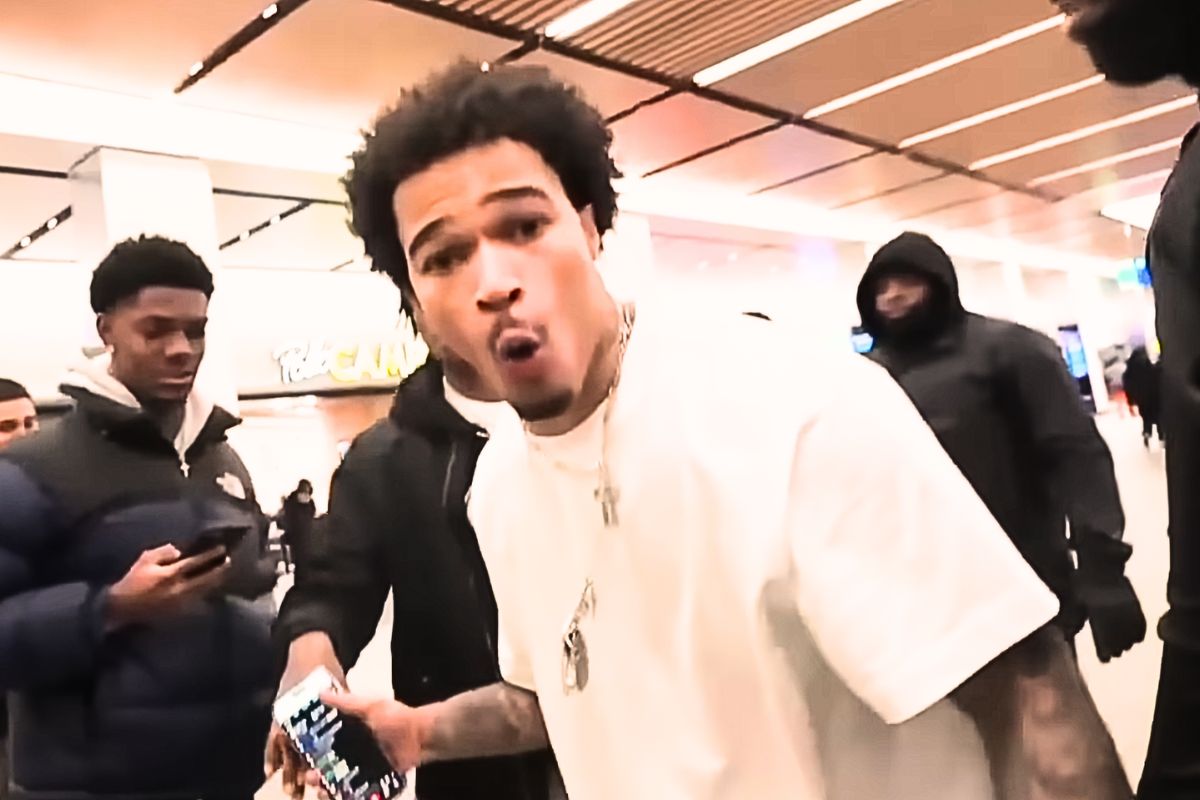
PlaqueBoyMax isn't holding back as he takes fellow streamer Adin Ross to task over a proposed blackface stunt that had everyone side-eyeing and whispering in disbelief. Ross, ever the provocateur, floated the controversial idea of a blackface livestream, a suggestion that immediately prompted Max to question Ross's respect for Black culture. This is more than a petty spat between streamers vying for online clout; it's a conversation with serious cultural weight that demands our attention. Max's challenge to Ross shows a broader issue: the reckless disregard some influencers show for the very cultures that have contributed to their success. It's a call to action, urging us to scrutinize how cultural appropriation and insensitivity continue to thrive in spaces where Black creativity is both celebrated and exploited.
The idea of a blackface stream emerged in a particularly tone-deaf moment when Ross was watching PlaqueBoyMax and his friends dressed as white men for Halloween, evidently missing the irony. With a casual 'we all do blackface, bro?' Ross threw the suggestion into the digital ether, seemingly oblivious to the firestorm it would ignite. He then mulled over whether such a move would bring backlash, showing a lack of understanding of the gravity of blackface as a racial issue. Ross attempted to justify his stance by declaring his Jewish heritage, as if that separated him from the responsibility of understanding the problematic nature of blackface. But Max wasn't having it. During his own stream on November 1, he connected Ross's success to the very culture Ross seemed to disrespect, emphasizing, 'A lot of your success is rooted in Black culture.' This underscored the irony of Ross's apparent disregard for the community that has supported his rise.
Max, who has artfully balanced a career between music production and livestreams, made it abundantly clear that his admiration for Ross's streaming prowess didn't erase his profound disappointment in the blackface suggestion. To understand Max's stance, it's crucial to recognize his credentials; he's not just a voice from the sidelines. Max was recently nominated for Best Music Streamer at the 2026 Streamer Awards, sharing the spotlight with heavyweights like DDG and Bishu. This nod from the industry highlights his influence and credibility, underscoring that his critique of Ross comes from a place of informed perspective rather than opportunistic commentary. Max's dual success in both music and streaming positions him as a formidable figure whose opinions carry weight, making his call-out of Ross not just valid but necessary in the ongoing dialogue about cultural respect and responsibility.
This isn't the first time Ross has found himself under the cultural microscope, far from it. Known for pushing boundaries, sometimes those boundaries push back in ways that echo loudly across social media and beyond. In our digital age, where every tweet, stream, and video is archived and scrutinized, Ross's faux pas with blackface is more than just a misstep; it's a tap into a historical wound that resonates deeply within the Black community. While some might dismiss it as mere internet antics, the implications stretch far beyond the screen, underscoring a persistent lack of awareness and sensitivity in understanding the historical context of racial issues. The impact of such insensitivity is not just damaging; it's a reminder of how easily the past can be trivialized in the quest for viral moments.
Let's not forget that blackface has always been more than an inappropriate costume choice; it is a symbol of racial mockery deeply rooted in the minstrel shows that dehumanized Black people for cheap laughs. Despite the year being 2026, we find ourselves revisiting conversations about cultural sensitivity that should have been resolved long ago. It's a stark reminder that some folks either missed the memo on cultural sensitivity or, more troublingly, chose to ignore it. Ross's defense, citing his Jewish identity, entirely misses the mark. It’s crucial to understand that cultural context matters deeply, and using one's heritage as a shield from legitimate critique is, at best, a deflective maneuver that does little to address the underlying issues. It points to a broader problem of using identity as an excuse rather than a means for empathy and understanding.
Ross's comments arrive on the heels of similar controversies that have been stirring the pot in entertainment and social media circles. The cultural conversation around appropriation and respect remains as vital as ever, echoing across multiple platforms and personalities. Remember Cardi B's recent defense against colorism claims? Her response was a powerful statement in an ongoing dialogue that challenges the entertainment industry to confront its biases head-on. Or consider the ongoing discourse about the role of Black voices in hip-hop, as reflected in hip-hop's 50-year reflection. These narratives form part of a pattern where cultural missteps invite broader, necessary conversations about respect, representation, and the responsibilities of those who profit from Black culture. Each controversy adds another layer to the complex dialogue about who gets to tell which stories and how they should be told with integrity.
Ross's suggestion wasn't just off-key; it was a misguided dive into the deep end of cultural insensitivity.
Ross's suggestion wasn't just off-key; it was a misguided dive into the deep end of cultural insensitivity.
For Ross, this is more than about one misjudged moment that can be swept under the rug with an apology or a retraction. It opens up a broader conversation about the authenticity of those who profit from Black culture without fully respecting its roots. This incident serves as a stark reminder that being an ally or even a participant in the culture requires more than just adopting the aesthetic or the sound, it demands an awareness and respect that go beyond surface-level engagement. Critics like Max play a crucial role as necessary voices in this dialogue, reminding influencers like Ross of their responsibilities to the communities they engage with and profit from. It’s about understanding that the culture is more than a trend; it's a lived experience that deserves genuine respect and thoughtful engagement.
From an industry perspective, these incidents highlight the urgent need for greater cultural literacy among influencers who wield significant power and reach. As digital platforms continue to grow exponentially, so does the influence of online personalities who often lack the cultural education required to handle sensitive topics responsibly. The industry has a responsibility to foster an environment of understanding and accountability, rather than dismissing such blunders as mere 'content' meant to provoke and entertain. The stakes are higher than ever, and so is the demand for influencers to educate themselves and engage with cultures in a way that is respectful and informed. This is more than about avoiding backlash; it's about contributing positively to the cultural scene and setting a standard for future generations of digital creators.
For the audience, this incident serves as a clarion call to remain vigilant and discerning about the content we consume and the creators we support. The lines between entertainment and disrespect are often blurred in the relentless pursuit of clicks, views, and viral fame. As consumers, we wield the power to demand better from creators who shape public discourse and influence cultural narratives. The backlash Ross faced is proof of the community's collective unwillingness to let such transgressions slide unchecked. It's a powerful reminder that our voices matter and that we can hold creators accountable, urging them to rise to a higher standard of awareness and respect. In doing so, we not only protect the integrity of Black culture but also encourage a more respectful and informed digital environment.
Beneath the surface of this incident lies a complex web of racial dynamics that continue to permeate the digital age. It's not just about what happened in this instance, but why such tone-deaf suggestions keep surfacing in a world that claims to be more progressive. Racial insensitivity isn't an isolated issue; it's woven into the fabric of how some view entertainment as a boundaryless space, where anything goes in the name of content creation. But it's high time to weave a new fabric that respects and acknowledges cultural heritage, ensuring that the digital space is inclusive and considerate. This requires a concerted effort from creators, platforms, and audiences alike to engage with culture in a way that honors its depth and complexity, rather than reducing it to a punchline or a gimmick.
Advertisement
So what's next for Adin Ross? He stands at a crossroads: to learn and evolve from this incident or to remain mired in controversy, repeating the same mistakes. The ball is in his court to demonstrate genuine change, to show that he's more than just a provocateur chasing headlines. As for the rest of us, let's challenge each other to think critically about who we support and why. It's not enough to consume content passively; we must engage with it thoughtfully, asking ourselves how it aligns with our values and the kind of cultural scene we wish to cultivate. As the saying goes, 'When you know better, do better.' It's a call to action for everyone involved in the digital ecosystem to strive for greater awareness and respect.
More from PowerVault Network:
