Dwight Wells' Death: A Closer Look at Revenge and Redemption
By Renee Fontaine, PowerVault Staff Under the dim glow of streetlights, the rhythmic clatter of dominoes was a comforting sound in Miami’s Liberty City. Dwight Wells, a well-respected figure and pillar in his communit...
Advertisement

By Renee Fontaine, PowerVault Staff
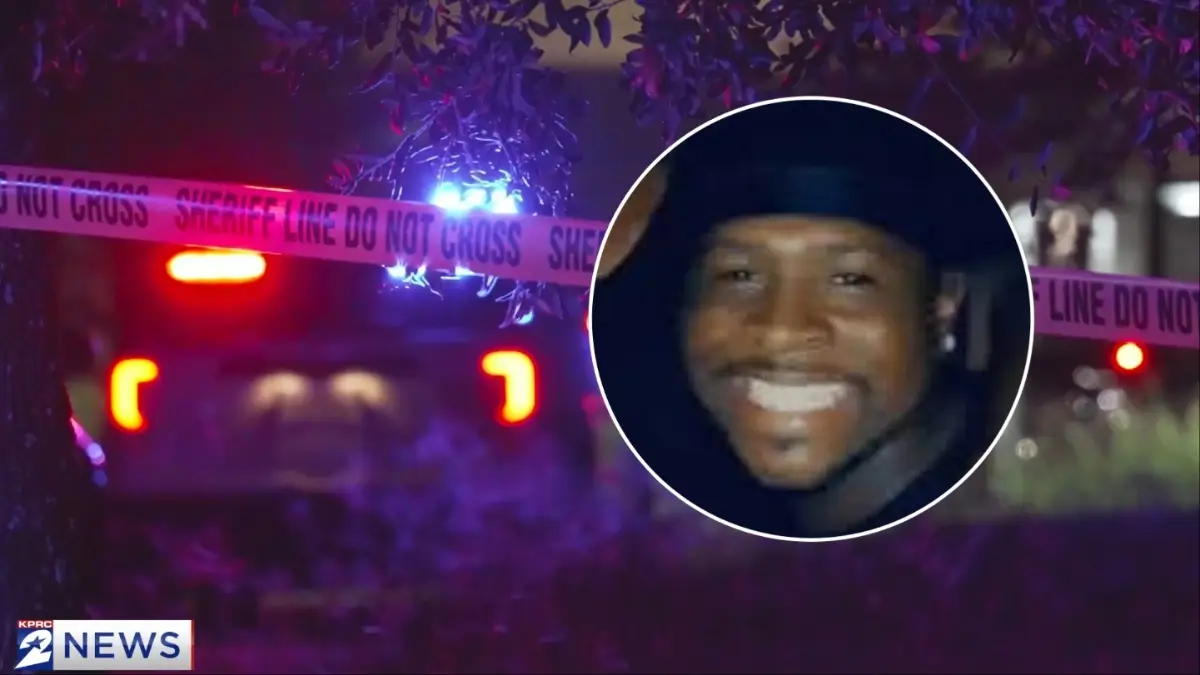
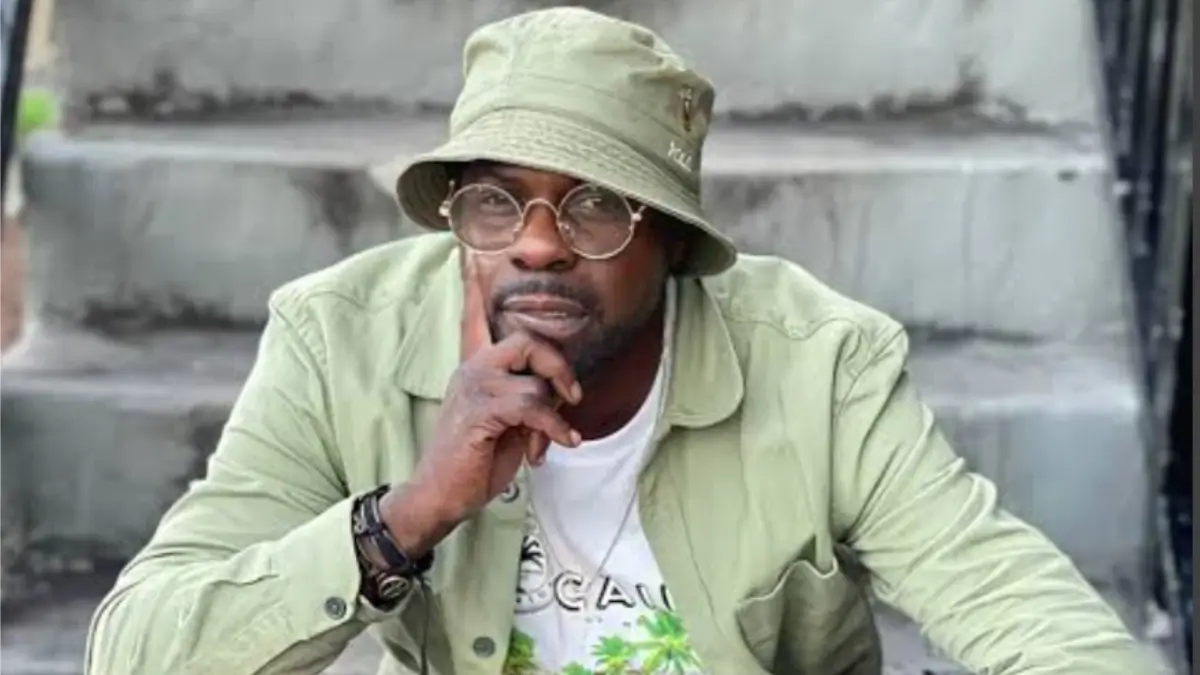
Under the dim glow of streetlights, the rhythmic clatter of dominoes was a comforting sound in Miami’s Liberty City. Dwight Wells, a well-respected figure and pillar in his community, leaned back in his chair, a smile illuminating his face as he played the game that brought him joy and connection. That October night in 2025 should have been like any other, filled with laughter and camaraderie. Instead, it was abruptly shattered by the unmistakable crack of gunfire that echoed through the streets. Dwight, just 40 years old and in the prime of life, was gone too soon, gunned down outside his restaurant, Winning and Won Turkey Legs, leaving a void in the hearts of those who knew and loved him.
Wells was a man known for his unwavering commitment to uplift those around him. He dedicated much of his life to steering young people away from the streets, driven by the violence he had once known all too well. Through his tireless work with the Bikes Up, Guns Down movement in Miami, he sought to offer alternatives and better paths for local youth, believing deeply in the potential for change and redemption. Yet, as reported by NBC6 Miami, his life was cruelly taken by a masked gunman, an act that stands as a grim reminder of the very violence he worked so fervently to eradicate. His dream of a safer community was stolen in an instant, leaving his legacy to shine a light on the path he forged.
The investigation pointed to Jamar Lionel Jenkins, who was arrested over a year later on suspicion of orchestrating Wells' murder. Jenkins, 39 at the time of arrest, is believed to have acted out of a vendetta rooted in a painful past. It was Wells' 2004 conviction for the murder of Jenkins' brother, Anthony, that seemingly brewed this dark act of revenge, a vendetta that simmered beneath the surface for years. Official records show Wells served ten years for that crime, walking free in 2013, his debt to society ostensibly paid. However, the cycle of retribution had already begun, a tragic testament to how old wounds can fester and erupt into new violence. The video below delves deeper into the circumstances surrounding this crime, revealing the complex layers of human emotion and unresolved grievances.
According to the arrest report, Jenkins approached Wells masked and armed, firing multiple rounds that ended a life dedicated to change. After his arrest, Jenkins denied any awareness of Wells' involvement in his brother's death, casting doubt on the narrative of revenge. Despite these claims, it was a family member's testimony that hinted at a simmering resentment, a fire that had never truly burned out over the years. Investigators meticulously pieced together the puzzle using shell casings found at the scene, evidence that, when examined with forensic precision, ultimately led them to Jenkins. The case shows the painstaking work of detectives who face the daunting task of unraveling the tangled web of past and present violence.
In the aftermath of the shooting, social media became a battleground for varied reactions, each reflecting the complex emotions stirred by Wells' murder. Some framed the arrest as destiny catching up with Jenkins, with one user claiming, 'Revenge doesn’t have a date,' suggesting a belief in the inevitability of past actions resurfacing. Another voice highlighted the futility and moral wrongness of violence with the simple, timeless commandment, 'Thy shall not kill,' a plea for peace and reflection. Yet, others, understanding the profound pain experienced by both families involved, cautioned against viewing the arrest as any form of justice, stating, 'This is not justice; two families have lost.' The video below captures these diverse voices and the raw emotions that spilled out online in the wake of the tragedy.
Wells’ murder is an echo from a past many hoped had been laid to rest, a jarring reminder that unresolved conflicts can resurface with devastating consequences. Similarly, the story of Jarmon Mattix's death also shows the complexities and challenges faced by communities trapped in cycles of violence. These tales are not just about individual tragedies; they reflect a broader narrative of communities grappling with the systemic issues that perpetuate such violence. The question of how justice is served, or whether it ever truly is, remains unsolved, as communities continue to struggle with the implications of historical grievances and injustices. These stories highlight the urgent need for a deeper understanding and addressing of the systemic roots that allow such cycles to persist.
This is more than about one man's death; it's a narrative that resonates with deeper societal struggles.
In a community grappling with systemic injustice, the cycle of violence feels like an unyielding shadow.
In a community grappling with systemic injustice, the cycle of violence feels like an unyielding shadow that looms over everyday life. This tragic event not only highlights the profound personal loss for Wells' family but also shows the structural issues that allow such cycles to persist unchecked. When justice systems falter in addressing underlying issues, it often leaves affected communities to fend for themselves, sewing seeds of distrust and heartbreak that can last for generations. The failure to provide adequate support, intervention, and opportunities can lead to an environment where violence is both a symptom and a cause, perpetuating a cycle that seems impossible to break without significant systemic change.
Wells's efforts to break these cycles through community engagement and youth outreach were not just commendable; they were a lifeline for many who saw in him a beacon of hope and possibility. His death serves as a poignant reminder of the immense risk faced by those who dare to change the status quo, challenging entrenched systems that often resist change. The tension between redemption and retribution asks a difficult question: Can genuine rehabilitation exist in a society that frequently demands its pound of flesh, where the desire for vengeance can overshadow the potential for reconciliation and growth? It's a question that shows the complexity of human emotions and the need for a justice system that truly understands and addresses the roots of violence.
Jenkins’ arrest might seem like a resolution, but it also exposes the fragility of peace in communities still burdened by past injustices. Social media reactions were mixed, as captured in the Instagram post below, reflecting the complexity of closure in cases where both victim and accused are products of the same environment. A society that fails to address these systemic issues will inevitably see similar tragedies replay themselves, as unresolved grievances and inequalities continue to fester beneath the surface. The cycle of violence is not just a series of isolated incidents; it is a symptom of deeper societal problems that require comprehensive solutions and a commitment to understanding and healing.
Advertisement
This case is steeped in race, economic disparity, and justice, or a lack thereof, that many communities like Liberty City handle daily. These communities are too often left to handle these treacherous waters alone, without adequate resources or support. The underlying racial and class dynamics cannot be ignored, as these forces, long at play, have a profound impact on access to justice, opportunities, and the kind of futures individuals like Wells were trying to secure for the next generation. These dynamics shape the lives of those within these communities, influencing everything from educational attainment to employment opportunities, and ultimately, the cycle of violence itself.
Looking ahead, it's clear that more needs to be done both at a community and systemic level to prevent these cycles from repeating, to ensure that Wells’ legacy as a community activist is not lost but instead becomes a catalyst for change. His life and untimely death should inspire increased efforts to address these root causes, to build a future where violence is not the default response to conflict. The question remains: Will we heed the lessons of his life and death, or will we allow these stories to become just another chapter in a long history of violence and retribution? It's a challenge we must all take seriously as we craft solutions for a better future, working together to heal and rebuild our communities.