Rock Hall 2026: Who Gets Flowers and Who Sets the Rules?
By Malik Carter, PowerVault Staff Queen Latifah, MC Lyte, Wu-Tang Clan and Luther Vandross received their flowers at the 2026 Rock & Roll Hall of Fame induction ceremony. The class brought 18 musical honorees to Los A...
Advertisement

By Malik Carter, PowerVault Staff
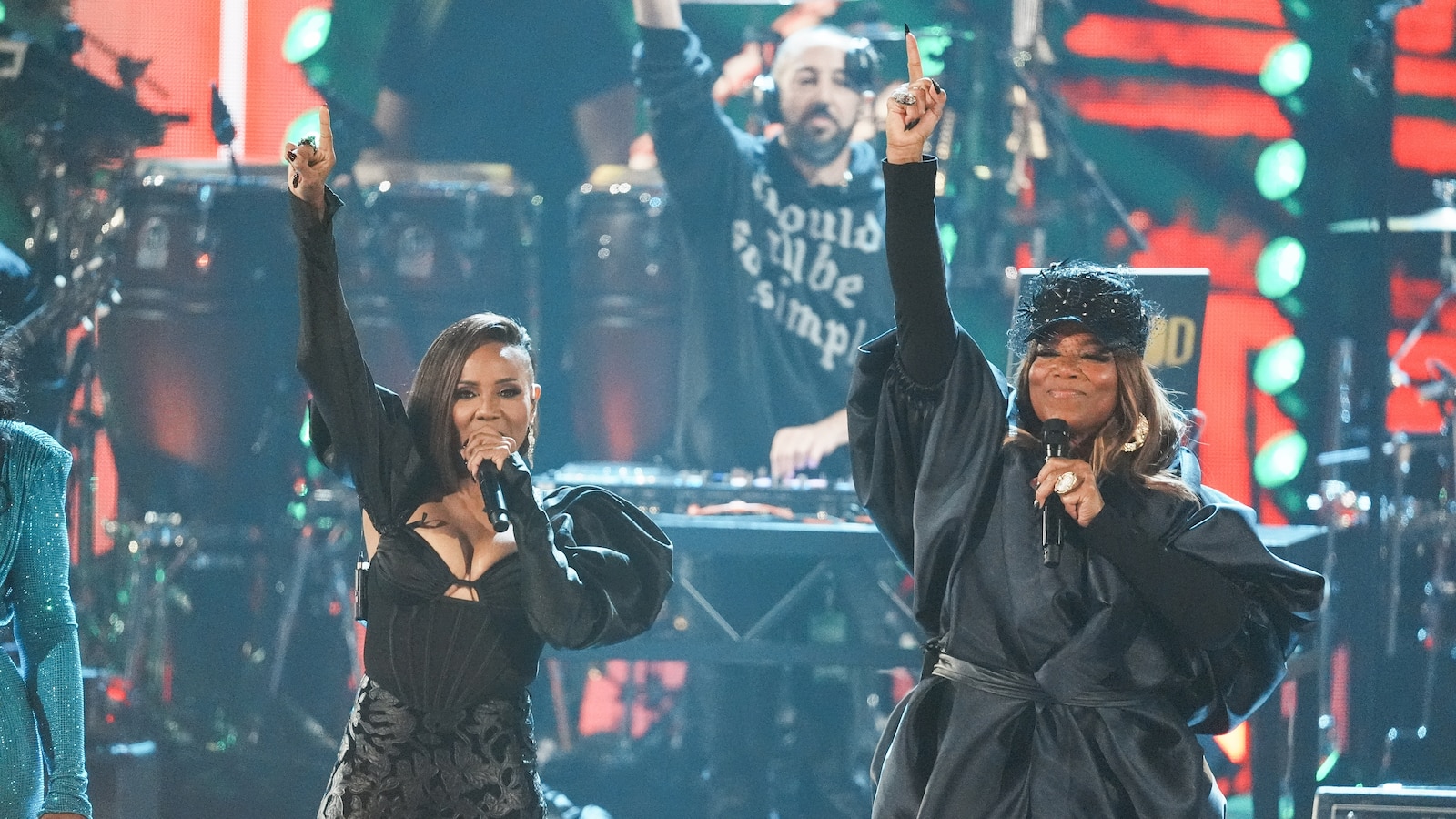
Queen Latifah, MC Lyte, Wu-Tang Clan and Luther Vandross received their flowers at the 2026 Rock & Roll Hall of Fame induction ceremony. The class brought 18 musical honorees to Los Angeles’ Peacock Theater, according to the ceremony report supplied to PowerVault Network. Megan Thee Stallion inducted Latifah. Remy Ma inducted Lyte. Oprah Winfrey honored Vandross, and Chris Rock welcomed Wu-Tang. That lineup alone makes a point: Black music does not need an introduction to greatness. Still, the way an institution recognizes that greatness matters, especially when the artists helped build sounds its audience has loved for decades. The presenters bring star power; the honorees’ catalogs explain why everybody gathered.
The supplied report details several honorees rather than providing complete coverage of all 18, so this is not a full class rundown. Its clearest thread is the connection between generations. Latifah and Lyte accepted Early Influence Awards in person, then performed together. Usher sang for Vandross, who died in 2005. Wu-Tang delivered a medley backed by a big jazz band. These were different tribute formats, with living artists performing their own work and another artist carrying a late singer’s catalog. Artists become eligible 25 years after their first release, a threshold that makes the Rock & Roll Hall of Fame an institution built around hindsight. The challenge is making that hindsight sharper than a familiar playlist.
Latifah’s recognition reaches back to 1989, when she released “All Hail the Queen” and broke through at 19 with “Ladies First.” Her ceremony partner brought another foundational achievement: Lyte became the first female rapper to release a full solo album with “Lyte as a Rock.” Their joint medley included “U.N.I.T.Y.” and “Ruffneck,” according to the supplied report. Those selections put distinct voices beside each other without pretending all women in rap share one lane. Latifah’s demand for respect and Lyte’s direct expression of desire belong in the same history without needing the same message. PVN previously covered Latifah’s reflections before her induction; now the honor has arrived. An accompanying YouTube video follows below.
Beyond that accompanying video, the reported Wu-Tang tribute offers another example of how the ceremony framed musical inheritance. Chris Rock inducted the Staten Island collective, whose 1993 debut, “Enter the Wu-Tang,” helped establish a world bigger than any single member. The group performed “C.R.E.A.M.” and the late Ol’ Dirty Bastard’s “Shimmy Shimmy Ya” with a big jazz band. That pairing makes musical sense. Hip-hop producers have long treated older recordings as living material, not museum pieces. Bringing live jazz instrumentation into this tribute placed that musical conversation directly onstage. The report does not describe every arrangement, so there is no reason to invent the room’s reaction. The documented song choices already show that ODB remained part of the celebration.
Vandross received a different kind of tribute, with Winfrey presenting his induction and Usher performing songs including “Here and Now” and “So Amazing.” The assignment put a major R&B performer in service of another singer’s catalog. Good. A tribute should send listeners toward the honoree, not become an audition for the person holding the microphone. Vandross built his standing through phrasing, control and love songs that rewarded close listening. From “Never Too Much” to “Dance With My Father,” that catalog holds both romantic celebration and the ache of family memory. His death in 2005 means this recognition cannot include his own acceptance or account of the work. That absence deserves space beside the celebration. A second accompanying YouTube video follows below.
The supplied report, rather than that video’s unspecified contents, grounds the larger historical comparison. Chuck Berry, Little Richard, James Brown, Ray Charles and Sam Cooke entered the Hall’s first class in 1986. Aretha Franklin became its first female inductee in 1987. Grandmaster Flash and the Furious Five became the first hip-hop act inducted in 2007. Those dates trace an institution expanding its public definition of rock while recognizing music connected to its roots. Black artists were foundational, not late arrivals seeking permission. The recurring argument over whether rap belongs can obscure that history. It also shifts attention away from the actual work of explaining how rhythm, performance and storytelling connect these artists across generations. Genre labels can help listeners find records, but they make poor fences around the people who changed popular music.
The real test is whether recognition preserves the work or simply packages the applause.
A trophy can recognize authority, but it cannot pretend it created it.
For Latifah and Lyte, the strongest part of this honor is their presence as performers, not merely names on a screen. Megan and Remy represented different generations while recognizing women whose careers helped widen rap’s possibilities. That connection deserves celebration without turning either pioneer into everybody’s honorary auntie and leaving it there. They came with records to perform, not just wisdom for somebody younger to quote on a red carpet. Latifah’s range and Lyte’s command were artistic choices, not inevitable steps in somebody else’s origin story. A trophy can recognize authority, but it cannot pretend it created it. The audience should leave knowing what these women made, how their voices differed and why their records still demand attention. Respect gets thin when it skips the actual music.
For the institution, the category language deserves scrutiny without an invented scandal attached. The supplied report identifies Latifah and Lyte as Early Influence Award recipients. That distinction should stay visible in coverage, rather than getting flattened into a generic announcement. Yet the category name alone cannot explain why each artist received that route to recognition. Nor does this report establish a dispute over their placement, so let’s not manufacture one for engagement. The useful demand is transparency: explain the award, the criteria and the contribution being honored. Fans can celebrate the recipients and still ask how the machinery works. Nobody needs an unsupported claim about backstage motives. Institutions earn credibility by making their choices understandable, not by expecting a starry ceremony to answer every reasonable question.
For younger listeners, this class offers a better assignment than arguing over whose parents played the best music. Start with the songs, then follow the credits. Put “Ladies First” beside “U.N.I.T.Y.” and hear how Latifah’s approach develops. Listen to “Ruffneck” without reducing Lyte to a milestone. Give Vandross a full song without scrolling past the quieter parts. Notice where he holds a phrase and how much feeling arrives before the next lyric does. That is also why PVN’s question about who music shopping guides actually serve belongs nearby. Discovery should lead toward an artist’s work, not stop at a collectible or an attractive recommendation. A beautiful sleeve can catch your eye; listening is how you develop your own taste. Owning the object and knowing the music are different pleasures.
Race and industry power sit underneath this celebration, particularly in who gets to define a shared musical inheritance. Black audiences kept these records alive through radio requests, family gatherings, clubs and repeat purchases. A major institution arrives with different resources: publicity, archives and the authority of an official designation. Those resources can help preserve work, but they should not erase the communities that sustained it. Phil Collins receiving a second induction, after entering with Genesis, also shows how specifically the Hall can distinguish separate achievements. His solo catalog gets its own recognition rather than disappearing inside the band’s story. Black honorees deserve that same precision in public discussion. “Influential” should introduce an explanation of somebody’s craft, not replace one with a flattering adjective. Tell us what changed because they made music.
Advertisement
Next comes the part no acceptance speech can finish: turning renewed attention into lasting access. Watch whether coverage points readers toward full albums, songwriting credits and substantial interviews, rather than recycling the same tribute clip. Seek out the differences between these honorees instead of treating Black excellence as one interchangeable achievement. Wu-Tang’s collective force, Vandross’ vocal discipline and Latifah and Lyte’s distinct approaches give listeners several doors to open. The Hall has supplied an occasion to celebrate. Fans, journalists and music platforms now have a choice about how much learning follows the applause. Give the flowers, then learn what made them grow.
More from PowerVault Network: