Rodney Hinton's Trial: A Tragedy of Grief, Mental Health, and Justice
By Simone Walker, PowerVault Staff The courtroom was tense with an undercurrent of raw, palpable emotion that suffused the air, mirroring the gravity of the situation at hand. Rodney Hinton Jr., a man weighed down by...
By Simone Walker, PowerVault Staff
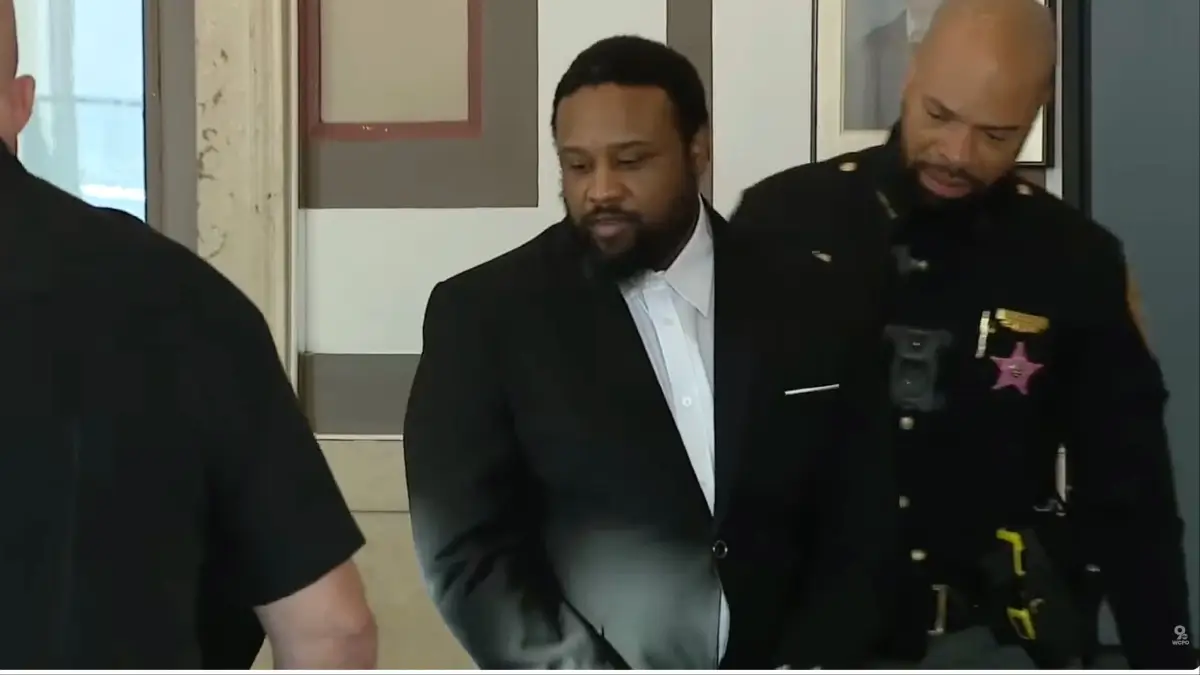
The courtroom was tense with an undercurrent of raw, palpable emotion that suffused the air, mirroring the gravity of the situation at hand. Rodney Hinton Jr., a man weighed down by grief and mental turmoil, faced the cold gaze of justice, his every movement scrutinized. What led to this moment was a collision not just of vehicles, but of tragic events that spiraled into a fatal confrontation. On one hand, there was a grieving father consumed by despair after losing his son; on the other, a community mourning the death of Deputy Larry Henderson, caught in the maelstrom of someone else's torment. Each side bore the weight of loss and the quest for answers, ensuring the courtroom's atmosphere was thick with a need for resolution.
Rodney Hinton Jr.’s story, as reported by WCPO 9, began with an unimaginable heartbreak that would test the resilience of any parent. Hours before the incident that led to Deputy Henderson's tragic death, Hinton had to endure the harrowing experience of viewing the police body camera footage of his son's shooting by a Cincinnati officer. This turning point, described by his defense as a psychological tipping point, rattled Hinton's already fragile mental state. Accused of intentionally striking Henderson with his vehicle during a graduation ceremony, Hinton now sits in the dock, pleading not guilty by reason of insanity. His defense posits that this plea is not a mere legal strategy but a reflection of a mind unmoored by grief and caught in an overwhelming mental health crisis.
The factual matrix is as complex as it is devastating, drawing a picture that challenges the jury to distinguish between tragedy and criminality. Rodney's defense attorney, Clyde Bennett II, paints a picture of a man plagued by years of untreated trauma, an emotional and psychological burden that shaped his actions. Hinton's childhood abuse and longstanding battles with depression and psychosis formed a tinderbox, which the footage of his son's death ignited with explosive force. The question remains: was this a calculated act of violence, or the culmination of a mental health crisis left unchecked by the systems meant to safeguard the vulnerable? The jury faces the daunting task of untangling these threads, each one pulling at the heartstrings of human empathy and the cold logic of the law.
The footage that Hinton watched was not just a recording; it was a visceral and devastating account of loss, depicting the fatal shooting of his 18-year-old son, Ryan Hinton, by a Cincinnati police officer the day prior. As the video spread, its impact was profound, becoming more than just evidence; it was a catalyst that pushed an already strained mind over the edge, according to the defense. Hinton's family had long expressed concerns, fearing his mental state was precariously balanced on the edge of collapse. The video, in its raw depiction of tragedy, seemed to confirm their worst fears, casting a shadow over Hinton's ability to process reality and pushing him to an emotional brink from which he could not retreat.
Bennett argues that his client's state of mind was not one of clarity or intent, but one of a soul in anguish, consumed by grief and detached from reality in a way that made rational thought elusive. He claims Rodney's actions were not those of a rational man, and this assertion sits at the heart of the trial, challenging conventional notions of culpability. The court is tasked with deciphering whether justice is served through punishment or understanding of mental illness, a question that probes deeply into the limits of legal responsibility. This trial forces a confrontation with the reality that mental illness can blur the lines between intent and action, urging the legal system to consider the complicated interplay of mental health in adjudicating justice.
This case is not without precedent. The intersection of mental health and the justice system has often been fraught with challenges that test the very fabric of societal norms. Notably, incidents like the 2014 shooting of Michael Brown and the subsequent Ferguson unrest highlight systemic issues in policing and community relations, where mental health concerns are often sidelined in favor of immediate law enforcement responses. The death of Tamir Rice in 2014 further shows the volatility that can arise when law enforcement and mental health crises collide, often with tragic results that leave communities fractured and trust eroded. These cases reveal a pattern where mental health is a significant yet overlooked factor, prompting urgent questions about how to integrate mental health awareness into policing strategies.
The death of Deputy Larry Henderson is a tragic flashpoint, revealing how mental health crises can escalate when compounded with systemic injustices.
The death of Deputy Larry Henderson is a tragic flashpoint, revealing how mental health crises can escalate when compounded with systemic injustices.
Rodney Hinton’s trial brings to light painful realities about our society's failure to address mental health adequately, a failure that spans generations and impacts countless lives. For years, Hinton struggled with demons that seemed invisible to the institutions designed to help him, highlighting a critical gap between available resources and the needs of individuals. His breakdown isn't just a personal tragedy; it's an indictment of a system that often overlooks the mentally ill until it's too late, a system that reacts rather than prevents. How many more lives must be shattered before mental health care becomes a genuine priority, before society recognizes that mental health is as crucial as physical health in determining the well-being of its citizens?
The ripple effects of this incident speak to a wider issue of trust between law enforcement and the communities they serve, a trust that is fragile and easily broken. Black communities, in particular, have historically been mistrustful of police due to a legacy of discrimination and violence, a history that informs contemporary interactions and perceptions. The anger and despair that can arise from incidents like the death of Ryan Hinton highlight the urgent need for reform and dialogue, a dialogue that must be rooted in empathy and understanding. These moments demand more than sensational trials; they call for systemic change that addresses the root causes of distrust and seeks to build bridges where walls have been erected.
For the audience and community engaged with this story, the trial of Rodney Hinton resonates deeply, echoing broader societal debates about justice, mental health, and accountability. It serves as a poignant reminder of the fragility of mental health and the dire consequences when it's neglected, consequences that ripple outward to affect families and communities. In a climate where calls for police accountability and mental health resources grow louder, this case is a sobering reminder of the distance yet to go, a distance measured in lives affected and lessons learned. It's a call to action for both systemic reform and community healing, urging society to prioritize mental health and recognize its integral role in achieving true justice.
Beneath the surface of this legal battle lie the intricate dynamics of race and socioeconomic status, factors that shape outcomes and perceptions in profound ways. Hinton's plight is not just that of an individual, but a reflection of the struggles faced by marginalized communities, struggles that are compounded by systemic inequities. The intersection of race, mental health, and justice is a contentious space, fraught with historical injustices and contemporary challenges that demand urgent attention. This case forces a confrontation with uncomfortable truths about how these factors play out in real time, challenging society to acknowledge and address the disparities that exist at this intersection and to work towards a more equitable and just system for all.
As Rodney Hinton's trial unfolds, the path ahead remains uncertain, fraught with legal and moral complexities that defy easy resolution. The court's decision could set a precedent in handling cases where mental health is a significant factor, influencing how similar cases are viewed and adjudicated in the future. Will the verdict be one of retribution or a step towards understanding and reform, a shift that could redefine justice in the context of mental health? The trial challenges us to reconsider how we view justice, particularly when it intersects with mental health, urging a reevaluation of priorities that places empathy and understanding at the forefront. The outcome will not just determine Hinton's fate, but will also reflect our collective values and priorities as a society, a reflection that will echo far beyond the courtroom.