Joseph Dingwall's Tragic End: A Systemic Failure in Cocoa, Florida
By Andre Coleman, PowerVault Staff It was the kind of sweltering Florida night that seemed to close in from all sides, the air heavy with anticipation of something foreboding. Under the dim glow of streetlights, a lon...
By Andre Coleman, PowerVault Staff
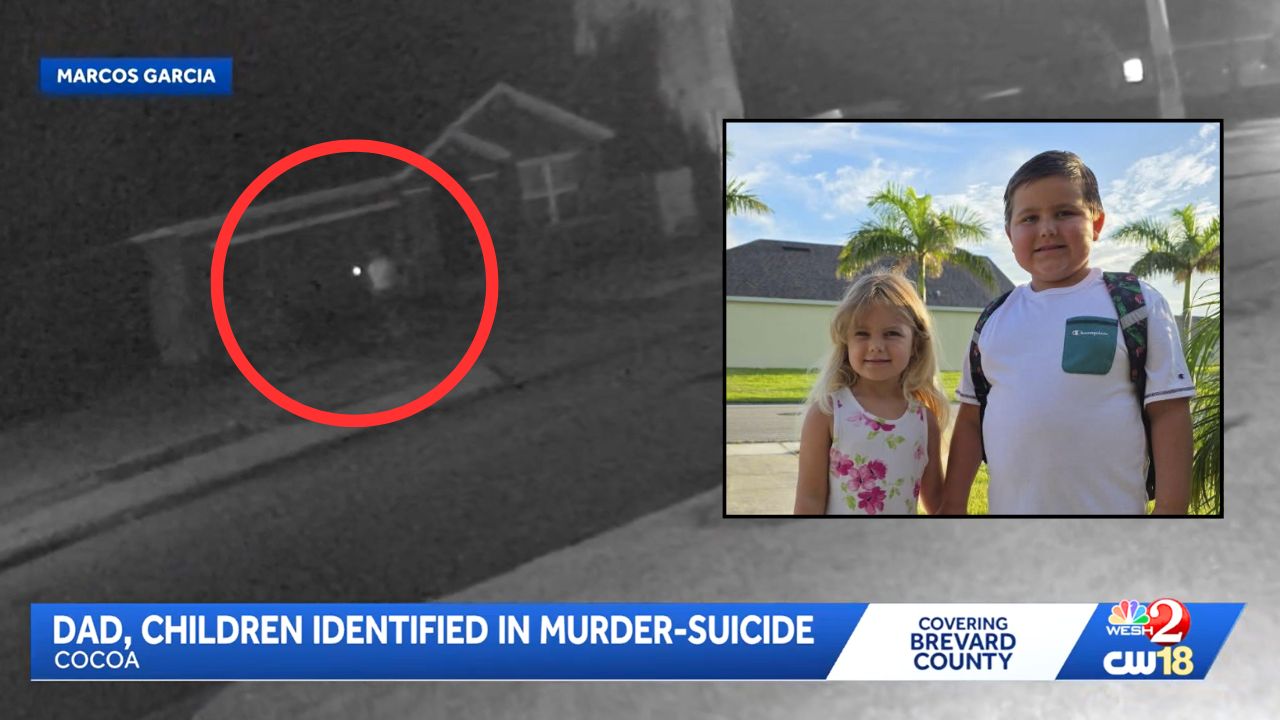
It was the kind of sweltering Florida night that seemed to close in from all sides, the air heavy with anticipation of something foreboding. Under the dim glow of streetlights, a lone figure moved stealthily around his Cocoa home, flashlight in hand, as if searching for something lost or perhaps ensuring everything was in place. Surveillance cameras recorded these chilling moments as Joseph Dingwall inspected his property in the early hours, casting long shadows that would soon become harbingers of an unspeakable tragedy. The silent footage, later scrutinized by investigators, captured a man on the brink of a fateful decision, each step echoing with the weight of impending doom.
By midday, the quiet neighborhood would be shattered by a scene of unimaginable horror. The children's mother, Olivia Piccolo, arrived at the house for a custody exchange, a routine she had likely hoped would be uneventful. Instead, she walked into a nightmare. Her children, 7-year-old Remy and 5-year-old Aria, lay lifeless alongside their father's body, victims of a tragic murder-suicide. According to the local NBC affiliate WESH, the Cocoa police identified this as a murder-suicide orchestrated by Joseph Dingwall, a conclusion that left the community in shock. The realization of what had occurred in those early morning hours would haunt Piccolo and the neighborhood for years to come.
The Cocoa Police Department confirmed the identities of the victims during a press conference led by Police Chief Evander Collier IV, a somber event that underscored the gravity of the situation. It's reported that Dingwall had previously fired two gunshots at approximately 12:20 a.m., as heard by neighbor Marcos Garcia, who was familiar with the usual quiet of his street. However, no calls to report the gunshots were made, a detail that puts a spotlight on community responses to violence. Meanwhile, Piccolo's desperate calls to Dingwall went unanswered, heightening the sense of isolation and fear she must have felt. The clip that set everything off is below.
In the video, Dingwall can be seen pacing with a flashlight, an eerie prelude to the tragedy that would unfold hours later. The grainy footage captures a man whose actions foreshadowed the horror to come, yet what led to this devastating outcome remains a mystery, as authorities have yet to determine a clear motive. With a history of suspicious activities involving 11 police calls to Dingwall's residence since 2021, including one the night of the incident, the question arises: why was he left unsupervised with his children? This oversight speaks to potential gaps in monitoring and intervention, leaving us to wonder how such warning signs were overlooked.
This event raises serious concerns about systemic failures within the family court and law enforcement systems, where the absence of preventive measures or interventions despite numerous red flags is a critical point of contention. The family's friends describe Remy and Aria as inseparable siblings, whose lives were abruptly ended by the very person entrusted with their care. Such a betrayal of trust not only devastates a family but also demands scrutiny of the systems designed to protect them. Below is a video from the community mourning this loss, a poignant reminder of the human cost of systemic failures and the urgent need for reform.
The tragedy in Cocoa seems all too familiar in a nation where similar incidents have transpired with haunting regularity, each one a grim reminder of the vulnerabilities within our protective systems. It brings to mind other cases like the Watts family murders in 2018, where premeditated violence shattered lives and left lingering questions about the warning signs that were ignored or misunderstood. These events are not isolated; they represent a chilling pattern of domestic violence where inadequate protective actions have dire consequences, echoing through communities and demanding urgent attention and comprehensive reform to prevent future tragedies.
Repeated calls for stricter protections for domestic violence survivors echo through the community. How did a man with a history of domestic calls end up unsupervised with his kids?
How did a man with a history of domestic calls end up unsupervised with his kids?
These events highlight the need for systemic reforms, as the absence of intervention or monitoring in Dingwall’s case reflects broader issues within the judicial system, where outdated protocols often leave children unprotected. The reliance on flawed systems to signal danger has repeatedly proven inadequate, leading to preventable tragedies. This calls for community-led advocacy to push for legislative changes, ensuring that protective measures are robust and proactive. Systemic change must involve reevaluating custody protocols and implementing effective monitoring of individuals with histories of domestic issues. The stakes are too high to ignore these warning signs, and the need for reform has never been more urgent.
For Olivia Piccolo, the devastating reality is a painful reminder of the system's failure to protect her children, a failure that no parent should have to endure. While fundraising efforts aim to support her through this nightmare, they are no substitute for the justice that was never served. The community must reflect on how we can prevent future tragedies and ensure others are not met with the same fate. This is more than about healing from loss but about demanding accountability and change from the institutions that are supposed to safeguard our most vulnerable. We owe it to Remy and Aria to do better.
The broader impact of such tragedies extends beyond the families involved, reverberating through society and compelling us to question the systemic norms and judicial processes that normalize access to children by those with documented abusive behavior. As we continue to grapple with these issues, the imperative for change grows more urgent, demanding that we reassess our legal frameworks and protective measures. It is not merely a call for reform but a moral imperative to ensure that the systems designed to protect do not instead become complicit in their failure, allowing preventable tragedies to continue unchecked.
The racial and socio-economic dynamics cannot be overlooked in these discussions, as cases involving Black and marginalized communities often receive less attention and fewer resources, pointing to systemic biases that exacerbate vulnerabilities. This disparity shows the significance of media coverage and community activism in bringing these issues to the forefront, ensuring that all voices are heard and that justice is equally accessible. The systemic inequalities that permeate our society must be addressed if we are to create a truly equitable system of protection, one where every child is afforded the safety and security they deserve, regardless of their background.
The next steps demand action, and legislative changes must be prioritized to safeguard vulnerable families from preventable harm. The community and lawmakers need to engage in serious dialogue about the changes required to protect children in custody disputes, ensuring that the systems in place are both effective and equitable. As this story unfolds, it challenges us to rethink our accountability systems and push for reforms that prevent such tragedies in the future. It is more than a matter of policy but a commitment to protecting the most vulnerable among us, ensuring that their safety is never compromised by systemic failures.