Royce White's WNBA Bid: A Deeper Look at the Controversy and Cultural Implications
By Andre Coleman, PowerVault Staff Royce White, a former NBA first-round pick, is shaking up the sports world by threatening legal action against the WNBA. This tumultuous situation centers on White's insistence that...
Advertisement

By Andre Coleman, PowerVault Staff
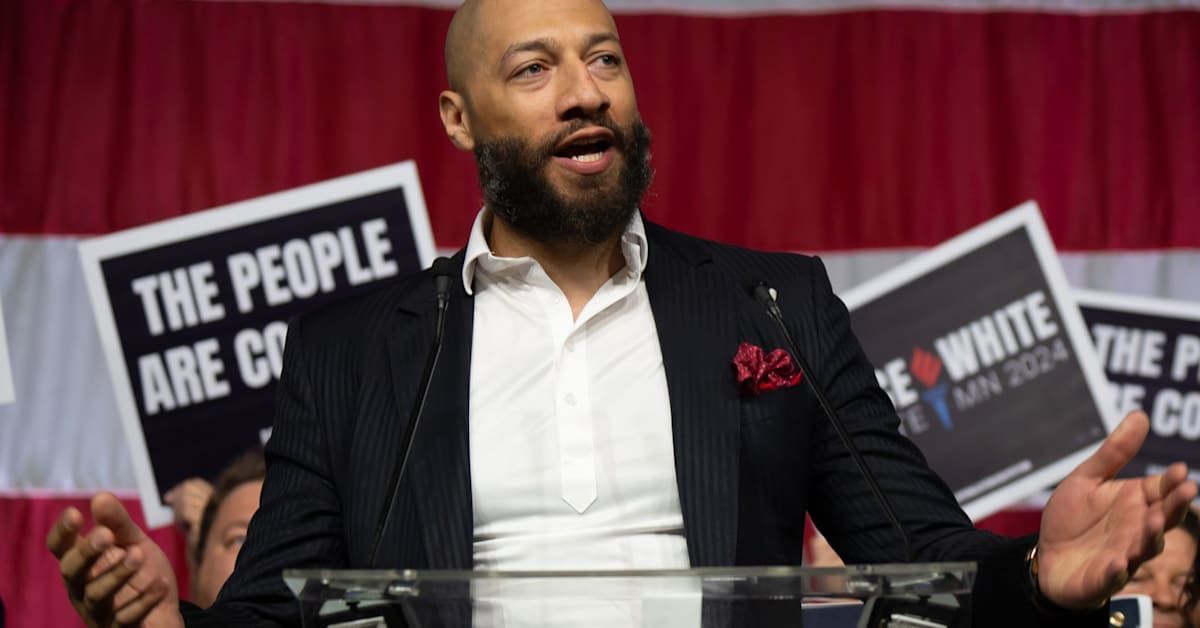
Royce White, a former NBA first-round pick, is shaking up the sports world by threatening legal action against the WNBA. This tumultuous situation centers on White's insistence that he should be eligible for the 2027 draft, despite clear directives otherwise from league commissioner Cathy Engelbert. This is more than a matter of personal ambition; it's a dispute that's reigniting heated debates around gender eligibility and testing the boundaries of advocacy in women's sports. The controversy has put the spotlight on the WNBA's eligibility rules, questioning whether they are equipped to handle the complex issues of gender identity and inclusion in an era where these topics are increasingly at the forefront of cultural dialogue.
According to Fox News, White's campaign to enter the WNBA draft is far from a whimsical stunt. The former NBA player, whose professional career was notably brief and marked by recent legal troubles, is launching a determined challenge against the league's definition of gender eligibility. White's provocations have captured the attention of lawmakers and league officials alike, with Engelbert firmly stating that White's attempt to join the WNBA does not meet the requirements, as he is biologically male. This stance has prompted a broader conversation about inclusivity and the legal ramifications of such definitions within professional sports. The discourse extends beyond the confines of the court, touching on societal norms and the evolving understanding of gender identity.
White's quest extends beyond social media rhetoric and into the public arena of professional sports. While attending an Indiana Fever game in disguise, he boldly declared his intentions as 'Queen Roysha,' an act that shows his commitment to challenging the status quo. These antics have overshadowed his brief NBA career, where he played only three games and made no notable impact. Yet, his current efforts have sparked a wider conversation that transcends sports, reaching into the realms of gender, politics, and the cultural scene. This spectacle is not merely about basketball; it is a reflection of the broader societal questions around identity and representation, prompting discussions that resonate far beyond the court.
While White's public antics may seem like a spectacle, there's a serious side to his campaign that cannot be ignored. He claims that the WNBA and NBA need to uphold their 'stated standards and values,' positioning himself as a watchdog for integrity within the sports world. However, the credibility of his advocacy faces significant challenges due to a recent court ruling where a judge found him liable for abusing his ex-wife and son. This legal judgment casts a shadow over his sincerity in claiming to 'protect women's sports,' raising questions about his true motivations. The broader implications of his actions and the irony of his campaign are evident, leaving many to question whether his intentions are genuine or self-serving.
The situation also involves Enes Kanter Freedom, another figure who has expressed interest in joining the WNBA. His endeavor was abruptly halted following an incident at a Chicago Sky game, which resulted in his ejection and subsequent lawsuit. This episode marks another chapter in the unfolding drama, highlighting the contentious nature of these campaigns. Freedom's actions, like White's, blur the lines between advocacy and disruption, challenging the norms of gender identity within sports. These cases not only stir controversy but also force sports organizations to confront the complexities of inclusion and the potential for legal battles that could redefine the world of professional sports.
This isn't the first time sports have become a battleground for gender debates. The rise of trans athletes challenging traditional sports norms has sparked similar controversies. The case of Renee Richards, a transgender tennis player in the 1970s, set a precedent for these discussions, while more recent debates surrounding athletes like Lia Thomas continue to highlight the ongoing complexity of gender and sports eligibility. These historical precedents reveal a pattern of conflict and resistance, underscoring the challenges faced by sports organizations in handling the evolving scene of gender identity. The current discourse reflects a broader societal shift towards inclusivity and acceptance, yet it also exposes the lingering tensions and resistance that accompany such changes.
But let's pause for a reality check.
White's actions reveal an insidious pattern where toxic masculinity masquerades as advocacy.
White's actions reveal an insidious pattern where toxic masculinity masquerades as advocacy, overshadowing the genuine issues facing women's sports. His legal threats appear less about safeguarding the integrity of women's sports and more about spotlighting his own agenda. The fact that his campaign is entwined with a history of personal abuse only deepens the irony, raising questions about his true intentions. For those who follow sports, this feels like a distraction that detracts from the athletes who truly uplift the game and work tirelessly to advance the cause of women's sports. The focus should remain on empowering female athletes and ensuring they have the platform and support to succeed without being overshadowed by misguided campaigns.
From an industry perspective, White's campaign could compel leagues to re-evaluate their policies on gender and eligibility. While it remains crucial to uphold fair competition, it's equally important to prevent sideshows from overshadowing genuine efforts to advance women's sports. This situation challenges the integrity of sports organizations, urging them to reinforce the values they preach and ensure that their actions align with their stated commitments to inclusivity and equality. The sports world stands at a crossroads, where the decisions made could set precedents for how gender identity and eligibility are handled in the future, impacting not only the current generation of athletes but also those who will follow.
The community watching this unfold has mixed reactions, reflecting the broader societal views on gender and identity. Some see it as a challenge to the status quo, a necessary push for clarity on gender definitions in sports, which could lead to more inclusive and equitable policies. Others, however, view it as a mockery of the real struggles women face in sports, where issues of equality and representation are ongoing battles. This divided stance highlights the complexity and sensitivity of the topic, underscoring the need for thoughtful dialogue and consideration as sports organizations handle these challenging waters.
Advertisement
At the core of this controversy lies a classic struggle with power and privilege, where the audacity of men claiming space in women's sports speaks to larger issues of entitlement. This situation touches on deeper societal dynamics, echoing themes of male dominance in arenas not meant for them. It is reminiscent of other cases, such as the racial comments that led to a coach's resignation at Apalachee, highlighting the pervasive nature of privilege and the need for continual vigilance in addressing these challenges. The discourse around this issue is a reminder of the ongoing struggle for equality and the importance of maintaining spaces where marginalized voices can be heard and respected.
Moving forward, the WNBA and NBA have crucial decisions to make regarding their policies to prevent further disruptions. They must decide whether to revisit and clarify their rules to ensure they support the progress women's sports have made, or risk allowing these antics to detract from that progress. As this saga unfolds, the sports community should brace for potentially precedent-setting legal battles and reflect on the true values they stand for. The conversation sparked by this controversy is not just about basketball; it's about defining the future of sports and ensuring that it remains inclusive, equitable, and reflective of the diverse society it represents.