Russell Brand's Wendy Williams Clip: What It Reveals About His Trial
By Renee Fontaine, PowerVault Staff Russell Brand, known for his eccentric charm and comedic flair, now finds himself entangled in a stormy legal battle, with a surprising twist dragging into the spotlight: his 2017 i...
Advertisement

By Renee Fontaine, PowerVault Staff
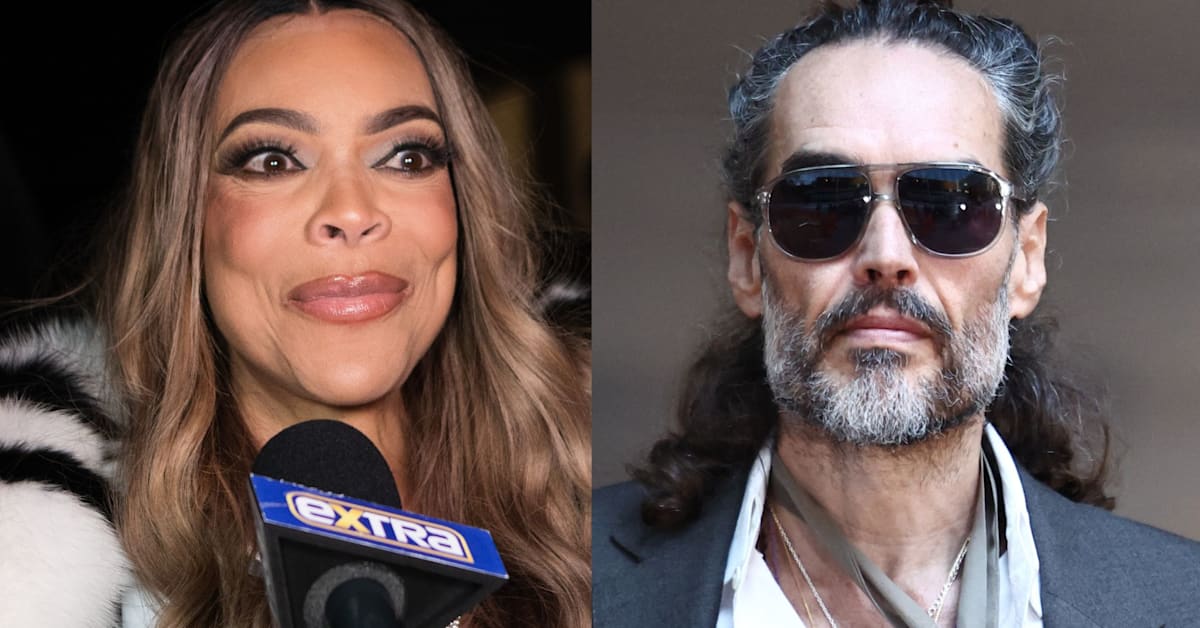
Russell Brand, known for his eccentric charm and comedic flair, now finds himself entangled in a stormy legal battle, with a surprising twist dragging into the spotlight: his 2017 interview on The Wendy Williams Show. This old clip has resurfaced, buzzing through London courts as it’s being used to illuminate Brand's alleged perception of women. The implications of this trial are scandalous, yet they dig deeper than personal transgressions, touching on the broader, more convoluted dynamics of Hollywood. In an industry where narratives are carefully crafted and public personas meticulously polished, this case highlights the tenuous line between celebrity and accountability, forcing both the public and the industry to grapple with uncomfortable truths about power, privilege, and gender dynamics.
The seasoned comedian is currently facing seven criminal charges at London's Southwark Crown Court, with prosecutor Riel Karmy-Jones meticulously tapping into Brand's past to strengthen the prosecution's closing arguments. By referencing his interview with Wendy Williams, Karmy-Jones argued that Brand's own words depicted him as a man who saw women as expendable, a narrative that demands thorough examination in light of the serious accusations against him. This argument seeks to establish a pattern of behavior that aligns with the charges, painting a picture of a man whose celebrity status allegedly fueled a disregard for the women he encountered. The prosecution's strategy leans heavily on demonstrating how Brand's public persona may have masked a deeper, more troubling reality.
Karmy-Jones didn't hold back, recalling Brand's own hyperbolic description of his early years as resembling an 'amusement park made out of orgasms.' This colorful yet controversial phrase has been interpreted by many as a revelation of his cavalier attitude towards women, suggesting a mindset that prioritizes pleasure over respect. Such language, though perhaps intended to be humorous or provocative at the time, now stands as a potential reflection of Brand's character and alleged actions. How these words are perceived by the jury could significantly influence their view of Brand, shaping their understanding of the allegations against him and the credibility of his defense.
The video from The Wendy Williams Show has emerged as a pivotal focal point in the trial, offering jurors a rare glimpse into Brand's mindset, or at least the persona he exhibited publicly in 2017. This imagery carries significant weight as the court proceedings unfold, as it provides context to the prosecution's portrayal of Brand as someone who potentially viewed women as mere objects in his pursuit of pleasure. For the jury, this clip isn't just an old interview; it serves as a piece of the puzzle that could help them understand the nuances of Brand's character and his alleged actions, bridging the gap between celebrity image and personal accountability.
The prosecution has woven a narrative where Brand's celebrity status allegedly afforded him easy access to women in the entertainment industry, leveraging the power imbalance to his advantage. Notably, four of the six women involved in the case were working in television or radio at the time of their reported encounters with Brand, suggesting a pattern of behavior too consistent to ignore. This pattern puts a spotlight on the systemic issues within the industry that may have enabled such conduct, highlighting the need for a critical examination of how power and influence can be misused. By drawing attention to these dynamics, the prosecution seeks to show the broader implications of Brand's actions beyond the individual allegations.
This isn't the first time a famous figure's past has been used to underline current allegations, echoing high-profile cases like those of Bill Cosby and Harvey Weinstein, where past behaviors resurfaced as crucial components in legal challenges. The entertainment industry has a long, complicated history of 'bro code' culture, a mindset that often went unchecked until it was too late. These cases have forced the industry to confront its own complicity in allowing such behavior to thrive, revealing a need for systemic change. The parallels between these cases and Brand's current situation show the ongoing cultural reckoning with celebrity behavior, highlighting the importance of holding public figures accountable for their actions, regardless of their status or past accolades.
But does a past soundbite truly amount to a smoking gun?
Brand's past may speak louder than his present defenses, and that's a dilemma the entertainment world has to confront.
Brand's situation says a lot about the broader cultural reckoning with celebrity behavior, reflecting a societal shift toward greater accountability. In today's era, where past actions are scrutinized more than ever, even off-the-cuff remarks can come back to haunt public figures. Brand himself acknowledges that his past was 'beyond reckless,' yet he maintains that his encounters were consensual. This acknowledgment of past behavior, while insisting on mutual consent, positions Brand in a complex light, where the line between personal responsibility and public perception becomes blurred. This case is a reminder that in the age of transparency and accountability, the public and legal systems alike are less willing to overlook behaviors that were once dismissed as mere celebrity antics.
At a time when power dynamics are constantly being reexamined, the entertainment industry must confront its role in creating environments where such behavior could thrive and remain unchecked. The Wendy Williams clip shows the need for a closer examination of how systemic issues in the entertainment world are perpetuated and amplified by fame, often at the expense of those with less power. This trial highlights the importance of dismantling the structures that allow inappropriate behavior to flourish, prompting a broader conversation about how to foster an industry that prioritizes respect, equity, and accountability. As the public watches this unfold, it serves as a call to action for change within the industry, encouraging a shift toward more ethical practices and greater protection for all individuals involved.
For the audience tuned into this saga, particularly the Black community that has historically been sidelined in these narratives, this trial serves as a bittersweet reminder of the importance of holding figures accountable regardless of their celebrity status. While the case against Brand may take months to resolve, it has already sparked critical conversations about justice and celebrity privilege, encouraging a deeper examination of who is given the benefit of the doubt and why. This reflection is crucial for a community that has often been overlooked in discussions of power and accountability, emphasizing the need for a justice system that serves all individuals equitably. As this process unfolds, it offers an opportunity to challenge the status quo and advocate for a more just and inclusive society.
Advertisement
While his wife Laura Gallacher stands by his side, vouching for his character and describing Brand as a 'wonderful father,' the reality of his past looms large, casting a shadow over his current image. For many, this situation illustrates a complex dynamic where personal relationships and public personas can starkly differ, a dichotomy not unfamiliar in the glitz and glam of Hollywood. This trial exemplifies how the public often grapples with reconciling these two sides of a celebrity, challenging the narratives that are carefully curated by publicists and media handlers. As the public watches, it is a reminder of the importance of examining the full spectrum of a person's actions and character, rather than accepting a polished persona at face value.
As the jury prepares for deliberation, all eyes are on the upcoming verdict in this high-profile trial. This case is not just about one man's alleged actions; it serves as a litmus test for how society and the justice system continue to evolve in the face of celebrity power and the public's demand for accountability. The outcome will likely influence not only Brand's future but also the broader conversation about how public figures are held accountable for their actions. As the public and legal systems grapple with these complex issues, this trial shows the ongoing struggle to balance celebrity privilege with the pursuit of justice, reflecting a cultural shift toward greater transparency and accountability.