
Sexyy Red in GTA VI: What the Real Dimez Credit Means
By Malik Carter, PowerVault Staff Sexyy Red plays herself in GTA VI and joins fictional rap duo Real Dimez on “Cooties (Remix),” with a writing credit attached. That last detail deserves attention. According to Rockst...
Advertisement

By Malik Carter, PowerVault Staff
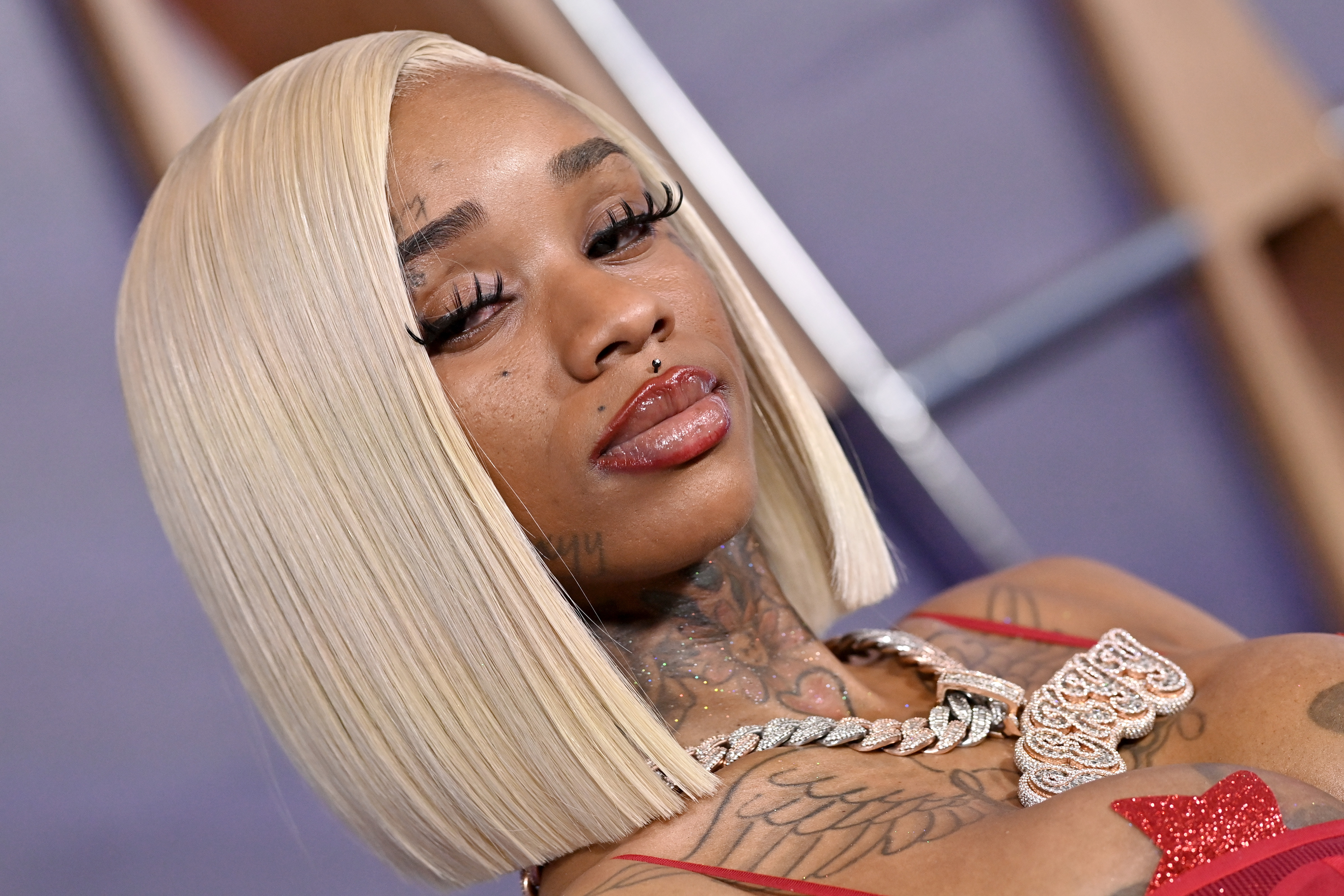
Sexyy Red plays herself in GTA VI and joins fictional rap duo Real Dimez on “Cooties (Remix),” with a writing credit attached.
That last detail deserves attention. According to Rockstar Games’ credits, the original “Cooties” belongs to Real Dimez alone. Sexyy appears on the remix. DJ Slugo, Cardo Got Wings, Yung Exclusive, Johnny Juliano and Bornbad! Produced both versions. Her involvement reaches beyond a familiar face showing up in Vice City.
Rockstar had already brought her music into the game’s promotion through an extended gameplay preview featuring “Pound Town,” her breakout with Tay Keith.
The video sits alongside a more specific paper trail: separate credits for acting, songwriting and licensed recordings. Those categories should not get mashed together. Playing herself establishes Sexyy’s presence as a character. The remix credit documents a contribution to a new recording. Her existing songs give players another way to encounter her music.
Real Dimez have real artists doing the work, too. Hood Brat plays Bae-Luxe, and Krissy Celess plays Roxy Rashad. Both performers receive writing credits on the original “Cooties” and its remix. Calling them fictional rappers without naming the women behind them would leave out the people supplying the voices and songwriting.
Rockstar introduces the duo with the phrase “Viral videos. Viral hooks.” Their backstory follows friends from high school who found early success alongside local rapper DWNPLY. By the game’s story, they have signed with Only Raw Records and want another hit. That label belongs to the fiction, not a documented real recording agreement.
DWNPLY also connects the fictional story to an actual recording. Denzel Curry plays the character and joins Real Dimez on “Bulletproof Ski Mask.” Cardo, Yung Exclusive and Johnny Juliano worked on that track, too. Take A Daytrip produced “Money Don’t Lie,” while ATL Jacob, RushDee and Corey Dollaz share production credit on “Vibin’ With The Dimez.”
A writing credit documents creative work, but it does not reveal who controls the check.
PVN’s read: Sexyy’s strongest move here is occupying more than one creative lane without disappearing behind an invented identity. She appears under her own name, brings existing music and contributes to the fictional duo’s remix. That gives audiences several entry points into her work. It does not guarantee that players become fans, but it gives them something specific to find.
The business distinction matters just as much. A writing credit documents creative work, but it does not reveal who controls the check. The supplied credits do not disclose publishing percentages, master ownership, licensing fees or payment terms. Nobody should turn a songwriter listing into a claim that Sexyy owns the recording. Recognition and control are different receipts.
For the industry, the interesting choice is hiring working rappers to build the fictional act’s music. Hood Brat and Krissy Celess receive credit for more than performing characters. Their writing helps make those characters believable. That is a stronger creative foundation than treating rap as background noise, though the credits alone cannot tell readers whether compensation matches the contribution.
For Black audiences, there is also a familiar tension between being seen and being reduced to a type. “Viral videos. Viral hooks.” works as a quick character introduction. It should not become the full description of the women making the records. PVN’s position is simple: enjoy the joke and the music, but keep the workers’ names attached.
The fictional label story offers another useful distinction. Real Dimez chasing a follow-up hit gives players a recognizable music business setup. It does not establish that Rockstar is exposing any particular real label’s conduct. Readers can discuss the pressure built into that premise without inventing a contract dispute, an exploitative deal or a hidden target.
Sexyy’s catalog placements and the new remix also involve different music business functions. Generally, licensing an existing song for a game requires permission to use the recording and its composition. A songwriting credit identifies creative authorship. Neither function, standing alone, tells the public the full financial arrangement. The credits show participation, not a balance sheet.
That distinction belongs at the center of PVN’s broader question about who benefits from Hip Hop in GTA VI. Attention has value, but it is not a substitute for ownership or payment. The same receipts-first approach behind PVN’s examination of music credit claims applies here: say exactly what the documentation establishes.
Grand Theft Auto VI went on sale November 19 for PlayStation 5 and Xbox Series X and S. Its Vice City sits inside Rockstar’s fictional state of Leonida, and players can listen on foot or in a car. That makes these recordings part of the experience beyond a single character appearance.
Advertisement
The next thing worth watching is whether players seek out the artists behind Real Dimez alongside Sexyy’s remix. No public numbers supplied here establish that crossover yet. Until those receipts arrive, the useful move is giving the credited talent proper attention. Enjoy Vice City’s fictional stars, but learn the real names doing the work.
More from PowerVault Network: