
Swizz Beatz and Alicia Keys Bring Black Art to Baltimore
By Tanya Brooks, PowerVault Staff Swizz Beatz and Alicia Keys are bringing Giants to Baltimore, including Amy Sherald’s paintings inspired by the city’s dirt bike riders. The Baltimore Museum of Art announced an April...
Advertisement

By Tanya Brooks, PowerVault Staff
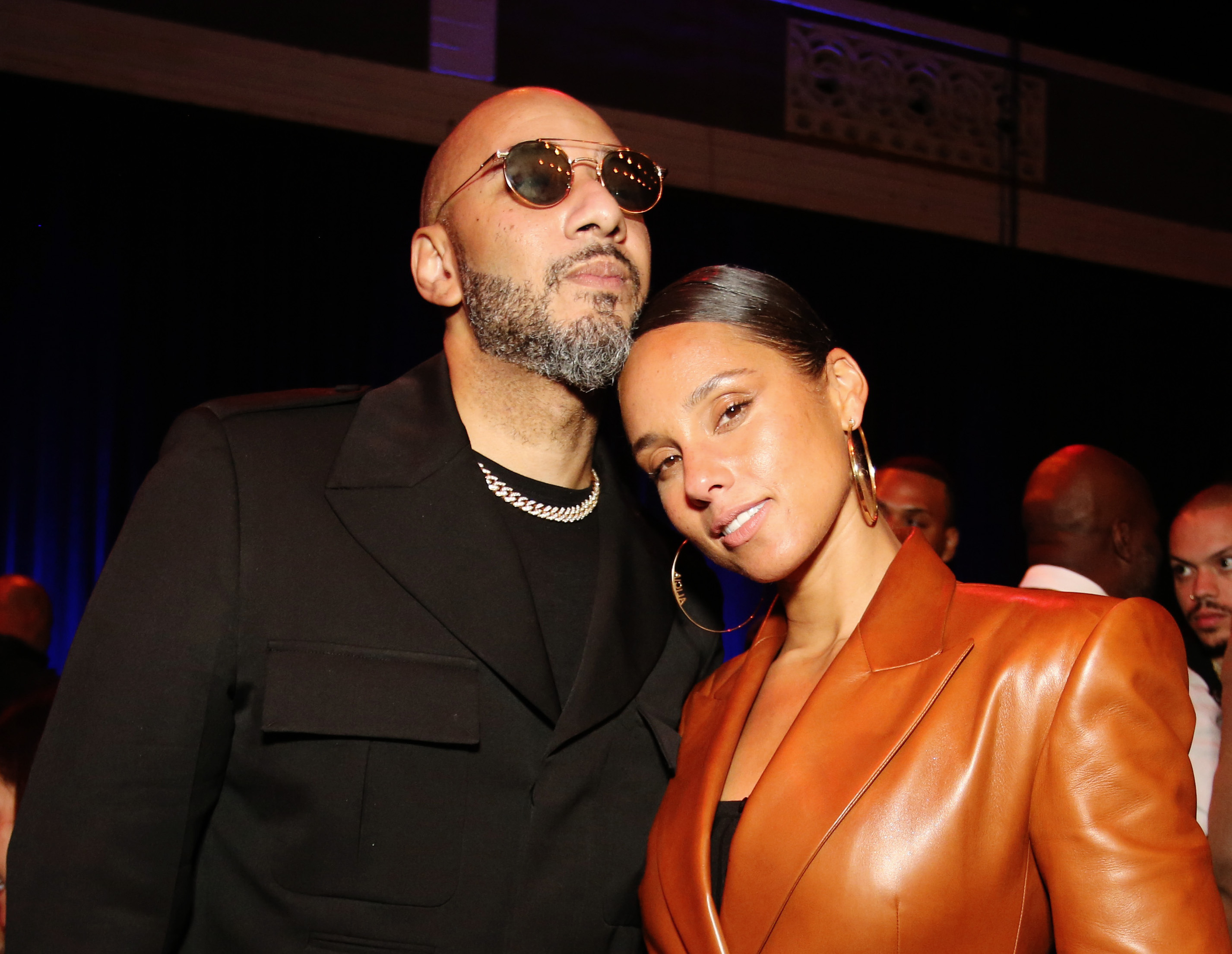
Swizz Beatz and Alicia Keys are bringing Giants to Baltimore, including Amy Sherald’s paintings inspired by the city’s dirt bike riders.
The Baltimore Museum of Art announced an April 18, 2027, opening for the touring exhibition, featuring about 130 works by Black artists. The show draws from the couple’s collection. That gives this celebrity art story a meaningful local connection: Baltimore residents will get to see work shaped by Baltimore life.
Sherald’s Deliverance, a pair of paintings depicting riders pulling wheelies, makes that connection direct. The collection also includes 18 Gordon Parks photographs of Black life and the civil rights movement, alongside paintings by Jordan Casteel and Tschabalala Self. Those names deserve room beside the famous collectors bringing the exhibition to town.
Swizz described his first encounter with Deliverance in an interview with PBS News Hour. According to his account, Sherald invited him to her studio without revealing that the work was ready. Then he came around a corner and saw the two riders. He recalled nearly fainting.
Swizz told PBS that Sherald’s inspiration came “from living in Baltimore, she used to see the Ruff Ryders, which is my family’s company, ride bikes all through her block.” That is his account of her memory, not a separate statement from Sherald. Still, it explains why this particular acquisition landed so personally for him.
For Swizz, the connection reaches beyond having an impressive painting on the wall. His account links a family association to an artist’s experience of a city. PVN’s read: that is the strongest part of this story. Recognition can make collecting feel less like acquiring status and more like encountering a piece of life from another angle.
Keys and Swizz also deserve their flowers for putting works they collected together into a touring exhibition. Private ownership and public viewing are different things. A tour creates opportunities to encounter these pieces beyond the collectors’ own surroundings. That is a concrete benefit, without requiring anyone to turn the couple into flawless cultural saviors.
A museum can offer a platform without being the source of anybody’s worth.
The celebrity connection will understandably attract attention. But the exhibition deserves coverage that moves past the marriage and into the work. Parks’ photographs, Sherald’s riders, and paintings by Casteel and Self should not become background scenery for a famous couple’s taste. Their names belong in the conversation from the first click.
The class tension deserves attention, too. An exhibition built from a private collection reflects choices made by its owners, even when the work reaches a public audience. A museum can offer a platform without being the source of anybody’s worth. Baltimore’s riders mattered before their presence became the subject of paintings headed to a museum.
That distinction also sharpens the ownership question. For readers following Chief Keef’s Don’t Like auction, there is a related concern: how Black creative work circulates, and who controls that movement. Buying work and sharing work can coexist. Public access remains something audiences should examine, not simply assume.
Baltimore viewers have a different stake from visitors arriving mainly for the celebrity names. A city can recognize itself in an artwork without agreeing on everything that artwork means. The useful conversation is not whether every resident feels represented. It is whether people can bring their own knowledge to the work without being treated as outsiders.
The announced selection offers several entry points. Parks’ photographs address Black life and the civil rights movement; Sherald’s paintings draw from dirt bike culture. That range gives audiences more than one route into the exhibition. Nobody needs to pretend those subjects are interchangeable to appreciate seeing them within the same collection.
There is also a lesson here for entertainment coverage. PVN’s attention to creative control in Keke Palmer’s rom com talks belongs to the same broader editorial concern: who gets to shape what audiences see. Here, the collectors’ choices matter. The artists’ choices deserve at least equal attention.
The homecoming angle should not get stretched beyond the facts, either. Deliverance is coming to the city that inspired it as part of a touring show. The supplied announcement does not establish a permanent gift to Baltimore. Celebrating the stop does not require upgrading a visit into a donation. The actual news holds up.
Practical details will matter as the opening approaches. Readers should check the museum’s official exhibition information for admission terms, visiting arrangements, and any announced programming. None of those details appears in the supplied report. A date on the calendar is useful; knowing how to experience the work is what turns interest into a visit.
Advertisement
April 18, 2027, is the date to watch. Until then, the strongest conversation starts with the artists and the people their work depicts. Swizz and Keys can help draw an audience to Baltimore. The challenge for that audience is to arrive curious enough to look beyond the names that got them through the door.
More from PowerVault Network:
