Tennessee State vs. Murray State 2026: Why This Opener Is Bigger Than Basketball
By Andre Coleman, PowerVault Staff On November 2, 2026, college basketball fans will witness Tennessee State University taking on Murray State in what promises to be an electrifying opener for the 2026-27 season. But...
Advertisement

By Andre Coleman, PowerVault Staff
On November 2, 2026, college basketball fans will witness Tennessee State University taking on Murray State in what promises to be an electrifying opener for the 2026-27 season. But beyond the stats and predictions lies a deeper narrative about the shifting scene of college sports and the immense pressures that come with it. This isn’t just a matchup between the Tigers and the Racers; it's a moment where the dynamics of race, economics, and tradition intersect on the court. This game serves as a microcosm of the broader issues facing college athletics today, where every dribble and pass carries with it the weight of systemic challenges and the potential for transformative change at a time when Black athletes often find themselves at the crossroads of opportunity and exploitation.
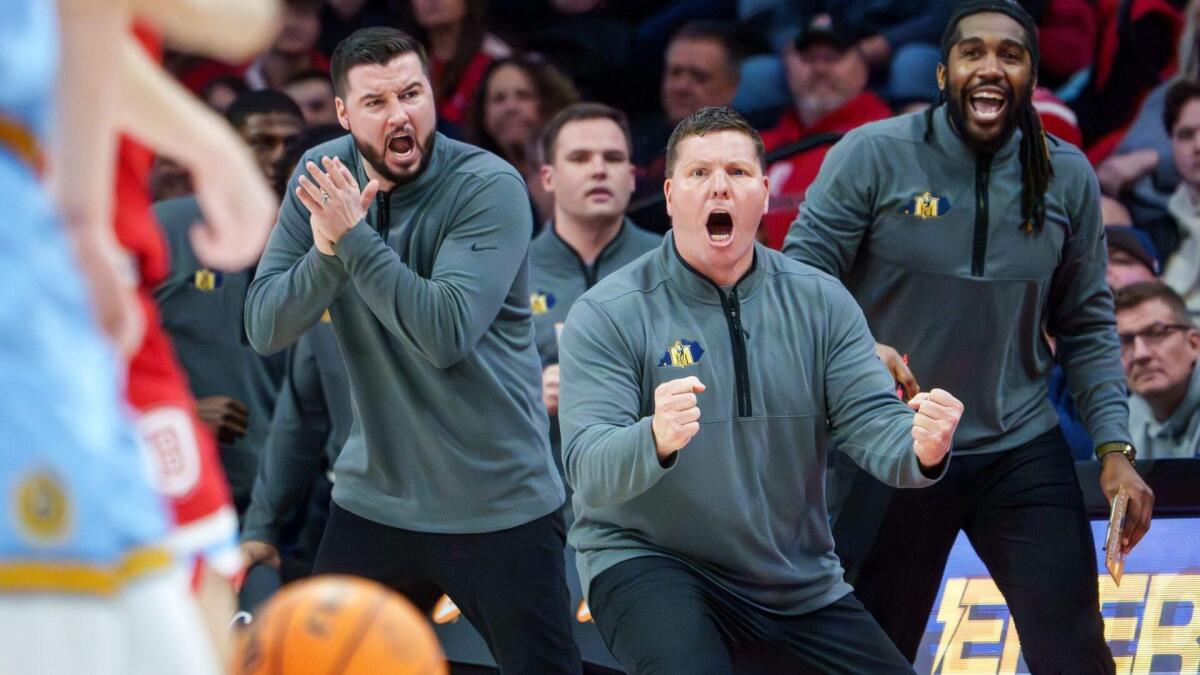
The clash, part of the Field of 68 Opening Day Marathon, sees Tennessee State, which ended last season with an impressive 23-10 record, go up against a Murray State team that ended on a sour note with a three-game losing streak, finishing 20-13. As reported by SportsLine, Murray State enters as a 9.5-point favorite in this neutral-site game at the Sanford Pentagon in Sioux Falls, South Dakota. But what makes this game particularly intriguing is the roster changes both teams have undergone, heavily leaning on transfers to fill pivotal roles. This reliance on transfers is more than a tactical decision; it reflects the growing trend in college sports where programs must adapt quickly to remain competitive, underscoring the evolving nature of team-building in an era defined by player mobility and strategic recruitment.
Tennessee State has bolstered its lineup with standout transfers like center Aaron Bradshaw, guard Arterio Morris, and Ty-Laur Johnson, who made waves at San Diego last season. Johnson's 14.6 points per game make him a key player to watch, promising to bring a new energy to the Tigers. His presence on the court represents not just a statistical boost, but a symbol of the team's strategic investments in talent acquisition. Similarly, Murray State's roster has been reshaped with the addition of guard Kaden Magwood from Auburn and forward Brigham Rogers from Belmont. Rogers, who averaged 7.1 points and added depth in rebounds and assists, could be a game-changer. His ability to impact the game in multiple facets makes him a crucial asset in their quest to reclaim dominance. See how these new dynamics play out in the clip below.
The significance of this matchup extends beyond the court. College sports have become a high-stakes game of financial chess, where athletes are both players and pawns. Transfers are no longer just about strategy; they're a reflection of a larger economic reality. These athletes, often young Black men, are handling a system that profits heavily from their talents, yet often leaves them without a piece of the pie. This game is an exhibit of that economic tug-of-war, with both teams utilizing transfers to stay competitive in a fast-evolving scene. As these players move from one program to another, they embody the ongoing struggle for power and agency in a system that frequently commodifies their abilities while offering little in return. This dynamic shows the urgent need for reform that centers athlete welfare and equitable resource distribution.
Historically, HBCUs like Tennessee State have had to fight for the spotlight in a sports industry dominated by larger, predominantly white institutions. Despite the Tigers’ impressive season, highlighted by a shared conference championship, they continue to face the systemic challenges that HBCUs endure. This matchup against a team like Murray State shows the ongoing struggle for recognition and resources. As viewers tune into games like these, they're witnessing more than just athletic prowess; they're seeing a fight for equity and opportunity. The spotlight on this game is a reminder of the hurdles these institutions face in securing the same level of respect and support as their more affluent counterparts, making every victory not just a win on the court, but a statement in the broader narrative of perseverance and resilience. Check out how this all unfolds in the highlight below.
The tradition of Black excellence in college sports is not a new phenomenon. From the days of John Thompson's Georgetown squads in the 1980s to the powerhouse teams of the early 2000s, Black athletes have continually proven their dominance. Yet, the conversation about their contributions often stops at skill and talent. Rarely does it extend to the institutional and financial barriers they face. Games like Tennessee State vs. Murray State offer a moment to reflect on how far we've come and how much further we need to go. The challenges remain much like those faced by FAMU's Rattlers, who always slay with excellence despite obstacles. The legacy of Black athletes is one of resilience and triumph over adversity, but it also calls attention to the systemic changes needed to ensure that their contributions are valued beyond the box scores and highlight reels.
This isn’t simply a game; it's a cultural milestone.
College sports have become a high-stakes game of financial chess, where athletes are both players and pawns.
For the athletes on the court, the stakes are personal. They're under the microscope, each move dissected not just for its impact on the scoreboard but for its career implications. For Black athletes, this scrutiny is doubly intense. They're carrying the weight of expectations from a community that often sees their success as a beacon of hope and progress. They’re not just playing for a win; they’re playing to rewrite narratives that have long been unjustly cast. Each dribble and shot is a step towards altering perceptions and challenging stereotypes that have historically limited opportunities. The pressure is immense, but so is the potential for these young athletes to carve out new paths and redefine what success looks like in a world that often overlooks their potential.
On an industry level, this game highlights the shifting power dynamics within college sports. The era of Name, Image, and Likeness (NIL) deals has introduced a new layer of complexity. College athletes can now capitalize on their fame, but the playing field is far from level. The allure of NIL deals can attract top talent to schools that can offer lucrative opportunities, leaving others scrambling to stay competitive. This has reinforced a class system where the financially powerful excel, and the rest are left to handle a widening gap. The implications of NIL are profound, offering a glimpse into a future where athletes could gain more control over their financial destinies, yet also risking further entrenchment of disparities between wealthier programs and those struggling to keep pace.
For the fans and community, games like this hold a mirror to society's values. They're reminded of the role sports play in highlighting racial and economic disparities. As Tennessee State battles Murray State, they're not just representing their schools; they're standing in for every marginalized institution that’s had to claw its way into the spotlight. The audience knows that the outcome is more than a win or loss for the teams, it's a reflection of the broader fight for equality and justice within sports and beyond. This game is a microcosm of societal struggles, offering a platform to discuss and address the inequities that persist both on and off the court. The excitement of the competition is matched by the importance of the message it sends about resilience and the pursuit of justice.
Peel back the layers, and you'll find a story of race and class woven tightly into the fabric of this game. Black athletes, often from less affluent backgrounds, are thrust into programs where their value is measured by wins and ticket sales. They’re part of a system that profits immensely from their efforts while providing minimal in return. This setup mirrors broader societal dynamics, where wealth and opportunity are disproportionately distributed, and those on the margins are tasked with chasing a promise that often feels just out of reach. The narrative of this game is emblematic of the larger struggle for equity, as these athletes strive not just for personal achievement, but for a redefinition of what fairness and opportunity should look like in a system that has historically been stacked against them.
Advertisement
So, what happens next? As the season begins, the focus should be on ensuring that the spotlight on these athletes translates into tangible benefits, better support systems, educational opportunities, and fair compensation. The next chapter for college sports must address these inequities. While the games will unfold as scheduled, what's crucial is the ongoing conversation about their implications. The real victory lies in translating on-court success into lasting change for the athletes and the communities they represent. Fans and stakeholders must demand nothing less. The future of college sports hinges on the commitment to creating a more equitable scene where every athlete, regardless of background, has the opportunity to succeed and thrive both during and after their athletic careers.
Let this season opener serve as a catalyst for broader discussions about fairness and opportunity in college sports. As Tennessee State and Murray State tip-off, remember: it's about more than points on a board; it's about carving out a space where every athlete has a fair shot at success. The journey towards equity in sports is long, but each game is a step forward. Here's to making those steps count.