Trump’s Nobel Peace Prize Complaint Needs a Fact Check
By Marcus Ellison, PowerVault Staff Donald Trump said he was “OK” without a Nobel Peace Prize, then used a lengthy press conference to revisit the rejection. The appearance stretched nearly two hours, according to CBS...
Advertisement

By Marcus Ellison, PowerVault Staff
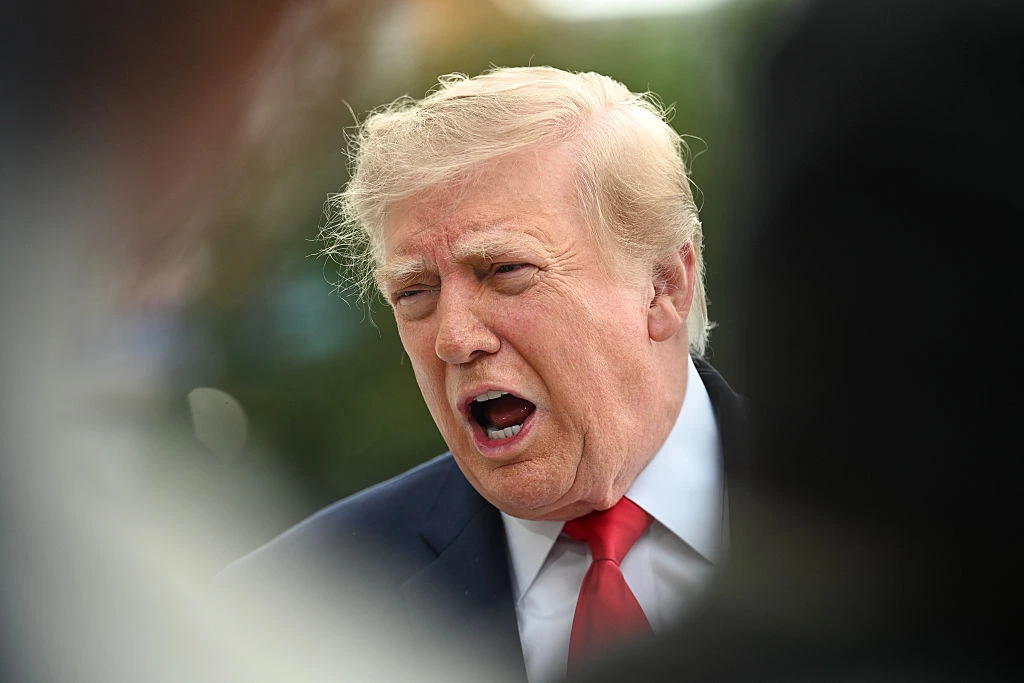
Donald Trump said he was “OK” without a Nobel Peace Prize, then used a lengthy press conference to revisit the rejection.
The appearance stretched nearly two hours, according to CBS News’ coverage of the press conference. Vice President JD Vance and Secretary of State Marco Rubio stood behind him. Trump discussed tariffs, interest rates and Iran, but also returned to a familiar subject: whether his diplomacy had earned him a trophy.
Trump said Thailand’s prime minister, Anutin Charnvirakul, thanked him for helping stop fighting with Cambodia. He also said Thailand had written to the Nobel Committee supporting him. Those are claims about his record and another leader’s endorsement, not independent proof of either. That distinction belongs front and center when watching the accompanying post.
The clearest statement in the reported exchange came from Trump himself: “I stopped the war. Did I get the Nobel Prize? No,” he told reporters. He followed with, “No Nobel Prize, but that’s OK. I saved a lot of lives.” The first claim requires evidence. The second sentence does not supply it.
Trump also repeated his claim that he had ended eight conflicts, a count the source reporting describes as repeatedly challenged. Behind him, Rubio reportedly looked toward the floor while Vance smiled. Those reactions helped turn the appearance into another story about the people standing beside the president. Watch the accompanying video with the difference between observable behavior and assumed emotion in mind.
A smile can be documented. Shame cannot be established from a camera angle. The source headline assigns an emotion that the reported movements alone cannot prove. Rubio’s expression does not establish disagreement, and Vance’s smile does not establish approval. Neither man’s face can fact check a presidential claim.
That distinction matters because facial reactions make easy political entertainment. They offer a quick laugh and require little explanation. Establishing whether fighting stopped, what Trump contributed and whether an agreement held takes more work. Readers deserve that work, even when the reaction shot makes a better thumbnail.
A president’s disappointment is not a public emergency.
A president’s disappointment is not a public emergency. Trump can want recognition, but the public does not owe him reassurance about an award. The relevant test is whether his decisions produced the results he claims. His own declaration of success cannot close that examination.
The more consequential exchange involved Vance’s reported explanation for Republican midterm losses: “The reason we lost is the war.” CBS News reported that Rubio caught Vance’s eye and shook his head when a reporter raised the statement. Trump called Vance’s assessment “a very accurate statement.” That exchange deserves closer attention than another round of expression reading in the accompanying video.
The reported exchange puts a substantive issue behind those reaction shots. Vance identified the Iran war as an electoral liability, and Trump accepted that assessment. That does not establish why every voter cast a ballot. It does mean the administration should answer how its account of successful leadership fits its own explanation for defeat.
The institutional problem is bigger than one politician’s appetite for applause. A briefing room should help the public test government claims, not become a place where officials certify their own greatness. Questions about peace need answers about agreements, obligations and results. An endorsement letter cannot answer them.
Black readers have particular reason to reject coverage that treats access to powerful people as accountability. A president surrounded by senior officials is displaying rank, not proving a policy worked. The racial and class tension sits there: whose demand receives sustained attention, and whose practical questions get pushed aside? PVN’s standard should favor people seeking answers over officials seeking affirmation.
That does not justify inventing a direct financial consequence from this appearance. The supplied reporting establishes no specific change to Black households’ income, benefits or legal rights. Pretending otherwise would weaken the coverage. The useful connection is accountability: claims about war, tariffs and interest rates deserve scrutiny because those subjects concern people’s lives, not presidential prestige.
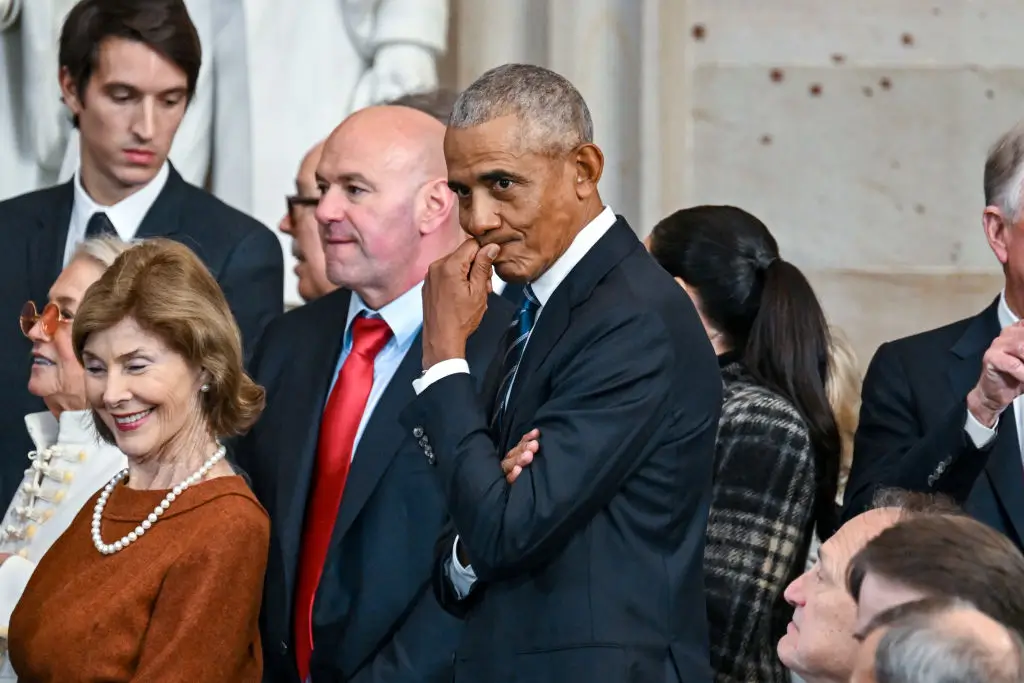
Readers can apply the same discipline to Trump’s Obama midterm comparison. A political comparison should explain something measurable, not merely make the speaker look better. Neither a flattering comparison nor an uncomfortable expression substitutes for checking the underlying claim.
The question of public authority also connects naturally to who decides what gets built under Trump. Recognition and public monuments involve different decisions, but both invite scrutiny of whose preferences receive official attention. Presidential taste is not the same thing as public value.
Advertisement
The next useful reporting should test the claimed conflict count, seek documentation for the Thailand account and press officials on their assessment of the Iran war. Readers should also watch whether Vance and Rubio explain policy in their own words, rather than becoming supporting characters in another reaction clip. Peace deserves proof, not a participation trophy.
More from PowerVault Network: