Jacoby Brissett and the Price of Being NFL Insurance
By DeShawn Price, PowerVault Staff Jacoby Brissett went from Arizona’s third quarterback to Baltimore’s emergency starter in days, then nearly stopped the Ravens’ losing streak. The assignment says plenty about his va...
Advertisement

By DeShawn Price, PowerVault Staff
Jacoby Brissett went from Arizona’s third quarterback to Baltimore’s emergency starter in days, then nearly stopped the Ravens’ losing streak. The assignment says plenty about his value. So does the speed with which that value changed once another team needed help.
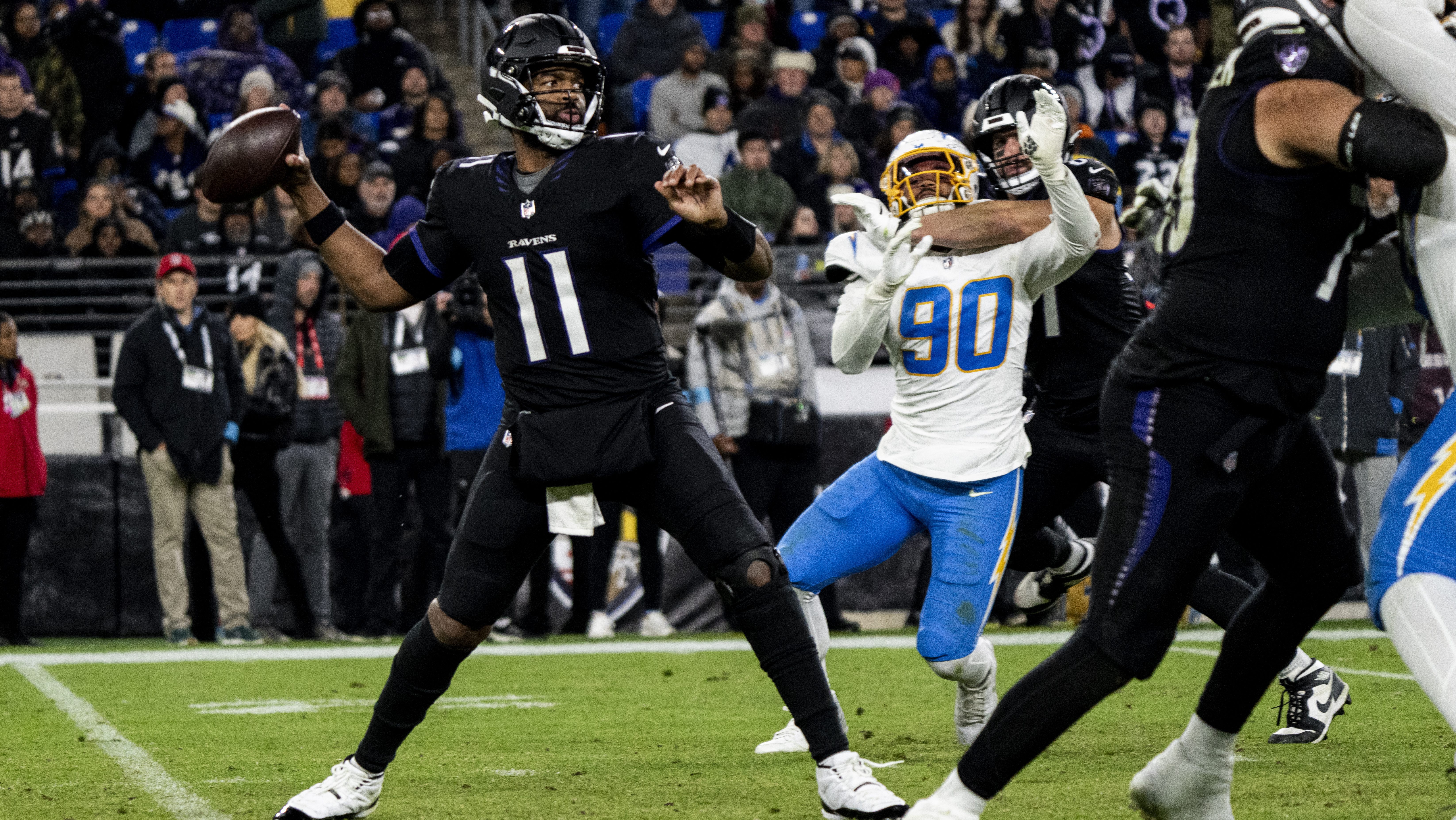
According to Andscape’s reporting on Brissett’s arrival, Baltimore had lost Lamar Jackson and Tyler Huntley to injuries. Rookie Joe Fagnano then struggled against Jacksonville on Nov. 5. Brissett arrived through a trade with Arizona and started Monday night against the winless Los Angeles Chargers.
Arizona had recently pushed him down its depth chart. Baltimore needed him to steady a team carrying four consecutive losses. Same quarterback. Different emergency. That sudden shift is the business beneath the familiar talk about handling adversity, and it frames the conversation accompanying the video below.
The reporting provides a concrete measure of that adjustment: Brissett completed 67% of his passes and directed three scoring drives. Those numbers do not prove he could rescue Baltimore’s season. They do show that a player can lose standing in one organization without losing the ability to help another.
Baltimore trailed 23 to 20 when Brissett completed three consecutive passes, including a 15 yard gain to Zay Flowers. Flowers fought for more yards and lost the ball. Los Angeles recovered, leaving Baltimore only 11 seconds when its offense finally returned. Brissett’s final throw fell incomplete. The losing streak reached five.
That sequence deserves more care than the usual quarterback verdict. Brissett helped create a chance to win, but he could not control the possession after Flowers caught the ball. Flowers made a costly mistake. Neither fact needs to become a sweeping judgment about either man’s character.
Asked afterward how Baltimore could resist negativity, Brissett offered a work plan rather than a promise. “Blocking it out, getting off the mat, going back to work one day at a time,” he said, according to Andscape. There was no guarantee of a turnaround in that answer.
Being needed in a crisis is not the same as being valued when the building is quiet.
For Brissett, that approach looks less like a motivational slogan than a practical survival skill. A demotion can damage a player’s confidence before the next opportunity even arrives. Staying ready protects his ability to answer that opportunity. It does not require pretending the demotion felt good or served him fairly.
Being needed in a crisis is not the same as being valued when the building is quiet. That distinction matters for a Black quarterback whose longevity, according to the source, spans 11 NFL seasons. Reliability deserves recognition beyond the weeks when a franchise runs out of alternatives.
The racial question is not whether the supplied reporting proves discrimination in Arizona’s decision. It does not. The sharper question is what gets celebrated when a Black athlete survives repeated disruption. Praise for composure can become a demand for silence if fans treat disappointment as a professional defect.
The financial logic is easier to see than the financial details. The supplied reporting gives no salary, trade compensation or contract guarantees, so none belongs in this assessment. What it documents is changing demand: Arizona reduced Brissett’s role, then Baltimore needed his labor immediately. His usefulness shifted without a new career résumé.
That should complicate how fans hear the word expendable. A depth chart measures a team’s choices at a particular moment. It cannot settle a player’s worth across the league. Brissett’s move offers a direct example: a third quarterback in one building became the starter in another within days.
Baltimore’s leadership still deserves scrutiny beyond whether Brissett delivers a stirring postgame answer. The relevant football questions concern preparation, protection and whether the offense asks him to do work he can reasonably execute. Professionalism from the emergency starter cannot substitute for an organization giving that starter a workable assignment.
Black audiences should also resist turning endurance into the only acceptable form of excellence. PVN’s question about who gets to be strong applies here as an editorial lens, not a claim that these careers are identical. Admiring resilience should leave room to ask why someone keeps needing it.
There is another lesson for younger players watching Brissett: staying employed and becoming a franchise centerpiece are different achievements. The first is not a consolation prize. Eleven seasons require sustained usefulness. Still, longevity should not become an excuse to stop asking whether a player has received a fair chance to do more.
PVN’s coverage of Sion James and the limits of recruiting rankings offers a related question about evaluation. How long should one assessment follow an athlete? Brissett’s case makes that question immediate. Arizona’s depth chart was relevant information for Baltimore, but it was not the final answer.
None of this requires declaring Brissett the Ravens’ savior. His accuracy against Los Angeles was encouraging, and the failed comeback still ended in a loss. Both belong in the evaluation. Respecting a veteran means examining his actual work, not replacing a dismissive label with an equally careless celebration.
Advertisement
The next test is whether Baltimore can turn his readiness into something repeatable. Watch the assignments, the decisions and the support around him, not merely his willingness to absorb another difficult result. Brissett has shown he can answer an emergency call. The Ravens now have to give him more than an emergency.
More from PowerVault Network: