Usher and Chris Brown Tour: Is the Beef Actually Real?
By Simone Walker, PowerVault Staff Usher and Chris Brown’s R&B tour reportedly faces canceled shows and friction, but the evidence does not establish a feud or marketing scheme. Atlanta Black Star describes a troubled...
Advertisement

By Simone Walker, PowerVault Staff
Usher and Chris Brown’s R&B tour reportedly faces canceled shows and friction, but the evidence does not establish a feud or marketing scheme.
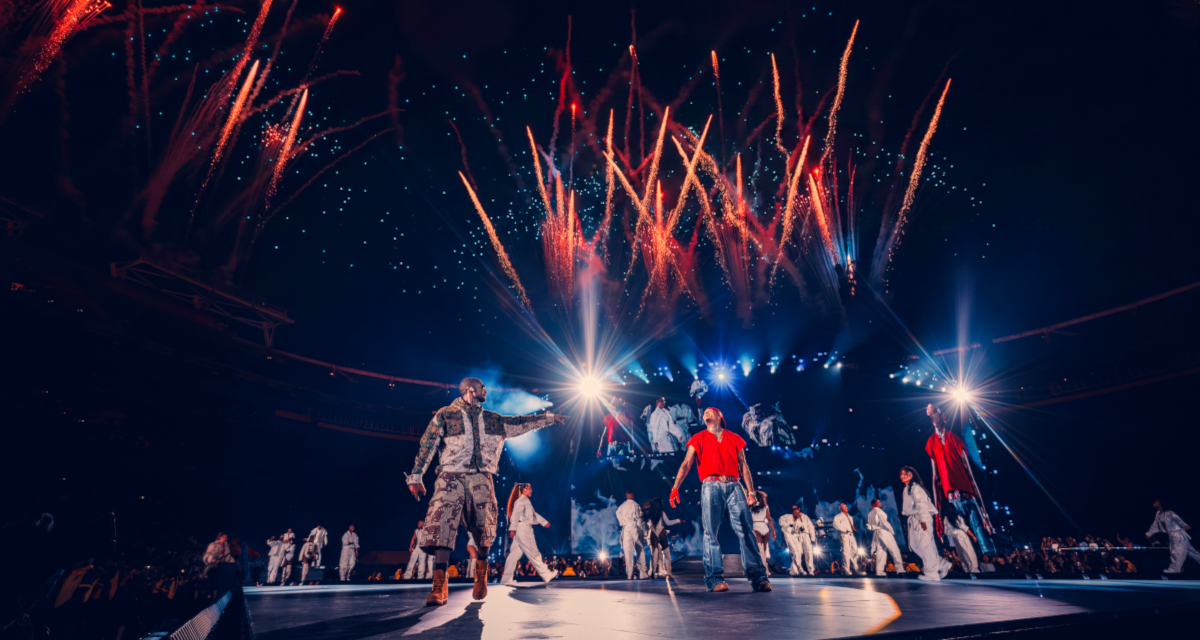
Atlanta Black Star describes a troubled opening night for their five show Atlanta run. According to its report, the artists appeared at 10 p.m. Rather than the expected 7:30 p.m. Fans reportedly criticized the delay and what they interpreted as tension. That distinction matters: a late start is measurable. A strained friendship takes more evidence.
The outlet cites TMZ reporting that the disagreement concerned when to begin. Usher reportedly wanted to start on time, while Brown wanted to accommodate fans caught in traffic. Neither account establishes a larger falling out.
That post cannot settle who made the scheduling call or why. The report also points to Usher declaring, “Welcome to my show,” and the pair not performing their collaborations together that night. Those details can explain why fans became suspicious. They still cannot tell an audience what happened outside its view.
Usher has previously described a much warmer bond during an interview with Big Boy. “He’s my little brother, and he’s always been there for me, and I’ve been there with him,” he said. That is an expression of affection, not a promise that two working artists will never clash. The accompanying video should be considered with that distinction intact.
The video cannot establish the current state of their private relationship. There is also older reporting behind the speculation. TMZ reported an alleged physical altercation at Brown’s Las Vegas birthday party in May 2023 after Usher tried to resolve tension involving Teyana Taylor.
Their musical history gives fans something more substantial than body language to consider. Brown and Usher collaborated on “New Flame” and “Party.” Brown also sampled Usher’s “Nice & Slow” on “It Depends,” featuring Bryson Tiller. Brown brought Usher onstage at his Atlanta Breezy Bowl stop in October 2025. Their joint tour announcement followed in April 2026.
Brotherhood does not require perfect harmony, and a disagreement does not erase a musical relationship.
PVN’s take: the friendship should not be put on trial every time the stage chemistry feels different. Brotherhood does not require perfect harmony, and a disagreement does not erase a musical relationship. These are two performers sharing a major production, not characters required to deliver the same emotional scene nightly. Fans can notice a change without declaring the relationship finished.
The business question deserves more attention than the friendship test. If artists disagree over a start time, who has final authority, and how does that decision reach ticket holders? A production needs answers before an audience spends hours waiting. Another performance clip cannot answer those operational questions, but the video below is part of the public material fans are weighing.
Whatever viewers read into that video, a performance cannot explain a cancellation. Black audiences deserve room to celebrate two major R&B talents without being asked to excuse every inconvenience as loyalty. Tickets, transportation and time away from work matter. Wanting a clear explanation does not make somebody a bad fan. Admiration should not come with an agreement to accept uncertainty.
Atlanta Black Star also reports canceled dates in Los Angeles and Miami, but the supplied account does not provide official cancellation notices or established reasons. It describes strong demand and added shows without supplying attendance or sales figures. Neither commercial success nor canceled dates prove a feud. The missing explanations should remain missing, not get filled with guesses.
Then there is the woman Brown invited onstage, identified in the report as the same woman who previously rejected Usher during a Nashville performance. Atlanta Black Star has separate coverage of her response to that earlier moment. Her appearance at Brown’s show does not establish that he intended to embarrass Usher. Treating her as a weapon in somebody else’s supposed rivalry supplies a motive the evidence does not.
The marketing theory needs the same restraint. Public attention can benefit a tour, but that does not mean every awkward exchange was planned to generate it. Calling something a publicity stunt requires evidence of coordination. Otherwise, the theory becomes impossible to disprove: distance means trouble, affection means damage control, and every outcome somehow confirms the same suspicion.
That evidentiary boundary also matters when evaluating celebrity breakup claims. A visible moment and a private relationship are not interchangeable. Here, the source reports that Brown later called Usher his “brother” during a shared performance. That supports describing a public show of warmth. It does not prove every disagreement disappeared, just as an awkward night did not prove permanent hostility.
There is still plenty worth celebrating without overselling the receipts. Their collaborations and willingness to share a stage give R&B fans a real musical connection to enjoy. The critical approach behind asking whether a release deserves more than a sales verdict applies here too. A tour deserves evaluation beyond its commercial claims and its most shareable uncomfortable moment.
Advertisement
Next, watch for official explanations of the canceled dates, direct statements about scheduling and what happens at subsequent performances. Those developments would tell fans more than another round of friendship detective work. Usher and Brown do not owe the public unrestricted access to their bond. Their paying audience does deserve clarity about the show it bought.
More from PowerVault Network: