What Hancel Rincon's MLB Debut Says About Black Athletes in America
By Jasmine Reed, PowerVault Staff Under the bright lights of Coors Field, Hancel Rincon took the mound, a moment years in the making. The young Dominican pitcher, fresh from the Minor Leagues, was on the brink of achi...
Advertisement

By Jasmine Reed, PowerVault Staff
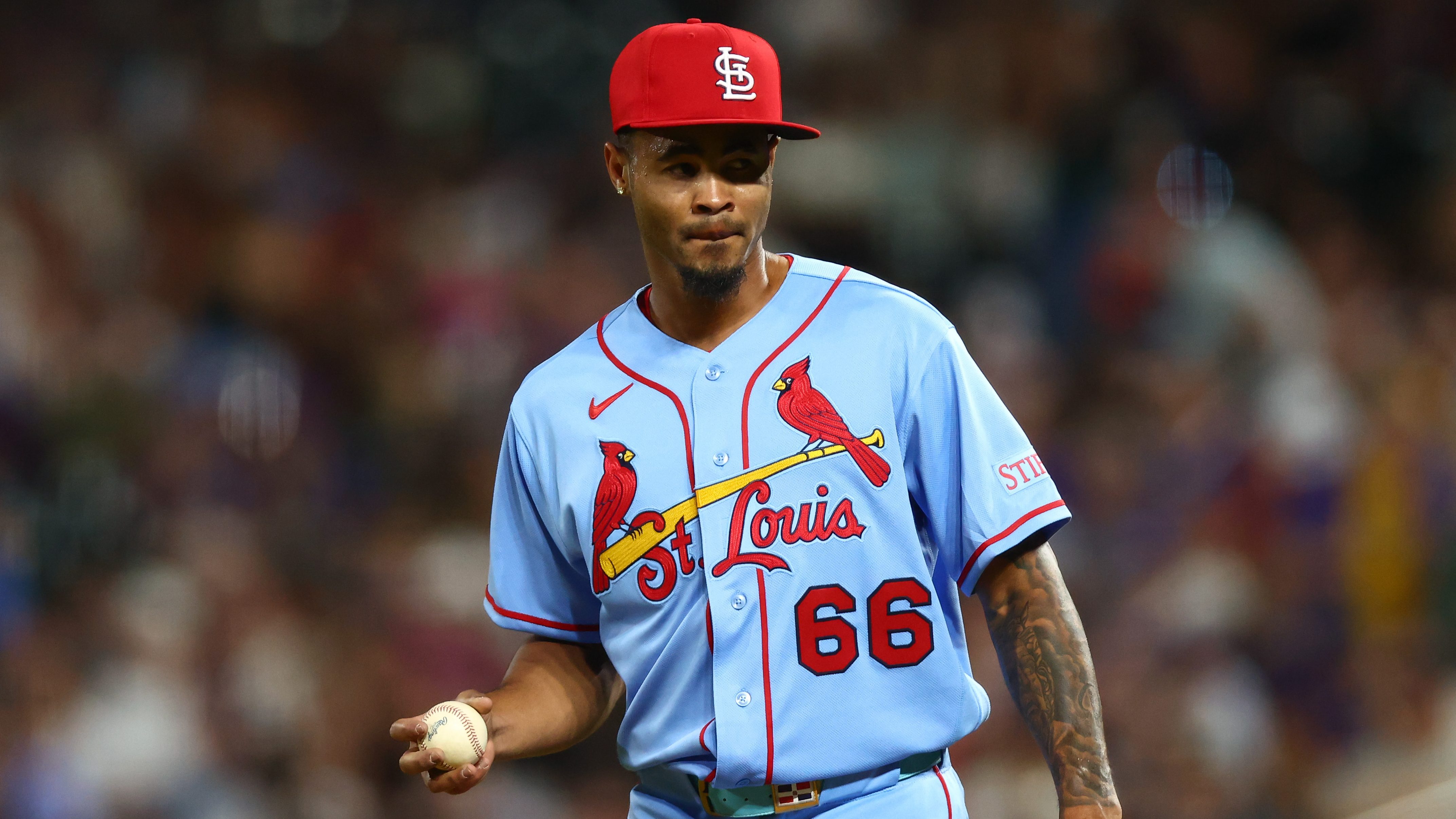
Under the bright lights of Coors Field, Hancel Rincon took the mound, a moment years in the making. The young Dominican pitcher, fresh from the Minor Leagues, was on the brink of achieving a dream that many only dare to whisper about. It’s the type of revelation that should be celebrated within the realm of sports, yet as the camera zoomed in on Rincon, it became evident that the night was not just about baseball. It was about so much more than that.
As Rincon prepared to throw his first pitch, it was the unlikely figure of Doug Eddings, the home plate umpire, who became the focal point on social media, drawing attention away from the rookie’s monumental debut. Eddings, wearing a hat emblazoned with the words “You’re the Man,” caught the eye of fans and commentators alike. This was not merely an instance of poor optics; it was emblematic of how quickly narratives can shift in a sports landscape that often marginalizes Black voices and stories.
This moment, while seemingly trivial, is a poignant reminder of the undercurrents that persist in American sports. Rincon's debut was not just about one player making his mark. It was a reflection of a broader struggle faced by Black athletes, especially those from Latin America, who find themselves caught between two worlds in a predominantly white sports system. As fans cheered for Rincon, the media hype around Eddings’ hat diverted attention from the rookie's journey, pulling focus from the labor, sacrifice, and cultural significance embodied in Rincon’s moment.
Hancel Rincon’s ascent to Major League Baseball is layered with the harsh realities of an industry that often capitalizes on the talent of Black and Latino athletes while neglecting to recognize their humanity. Rincon, like so many others before him, carries the weight of a community’s expectations as he steps onto the mound. The cheers of the crowd provide an exhilarating backdrop to his success, but they also mask a chilling truth: the pressures are immense and the margins for error are thin. The expectations do not merely rest on individual performance; they reflect the aspirations of families, neighborhoods, and entire cultures.
In a sport where representation has historically lagged behind other leagues, Rincon’s story stands out. His journey from the Dominican Republic to the bright lights of the MLB is a narrative etched in perseverance. Yet the attention diverted towards Eddings’ hat underscores a vital issue: how deeply ingrained biases continue to overshadow the achievements of Black athletes. It’s a reminder that, even in success, the narrative control often slips away, leaving athletes to navigate the complexities of identity and representation alone.
As soon as Eddings donned that hat, he unwittingly raised questions that extend far beyond the diamond. Why do Black athletes find themselves constantly having to prove their worth in a space that profited from their labor? Why is it that their narratives often become secondary to those of their white counterparts? Eddings’ hat, while light-hearted in intention, inadvertently tapped into a vein of racial politics that runs deep in baseball, a sport that has struggled with its own legacy of segregation and exclusion since the days of Jackie Robinson.
The significance of Rincon’s debut cannot be overstated; it arrives at a time when conversations around race, representation, and equity are reaching a fever pitch. It’s hard to shake the feeling that the American sports landscape is still wrestling with its demons. In 2026, Major League Baseball is set to commemorate the legacy of Jackie Robinson, a moment that will no doubt serve as a reminder of the progress made, but also the work that still lies ahead. For every Hancel Rincon who breaks through the barriers of entry, there are countless others still waiting for their chance.
Rincon’s success represents a small victory in a larger battle for visibility and acknowledgment in a field that remains stubbornly resistant to change. His journey from the Dominican Republic is emblematic not only of personal ambition but also of the hopes of countless aspiring athletes who share similar backgrounds. As Black voices continue to rise in various sectors of society, including sports, the question remains: How can we ensure that these voices are not just heard but celebrated?
Moving forward, the onus falls on the media, league officials, and fans alike to shift the focus back to the athletes themselves. The dialogue surrounding athletes like Rincon must be centered on their accomplishments, their narratives, and the systemic obstacles they face. In doing so, it creates a richer tapestry of what it means to be an athlete in America today.
Advertisement
In the end, Hancel Rincon’s debut was more than just a night of baseball; it was a gateway into the complex interplay of race and representation in sports. As Rincon navigates his rookie season, he is not just playing for himself but for a legacy that demands recognition. As fans, it’s our duty to advocate for these stories and support Black athletes in all their dimensions, ensuring that their journeys are honored, understood, and celebrated.
This moment should inspire us to challenge our perspectives and recognize the layers of cultural significance imbued within sports. Let’s not let the next Hancel Rincon’s moment be overshadowed by trivial distractions. Let’s create an environment where their stories are front and center, where their achievements shine brightly against the backdrop of a history that has often sought to obscure them.