What Happened to Kayla Huff? Examining the Tragic Case of the Missouri Teen Found Dead
By Jasmine Reed, PowerVault Staff The air in the dense woods of rural Missouri carried a grim weight on that fateful day in May. The tranquility of the conservation area, once a haven for hikers and nature enthusiasts...
Advertisement

By Jasmine Reed, PowerVault Staff
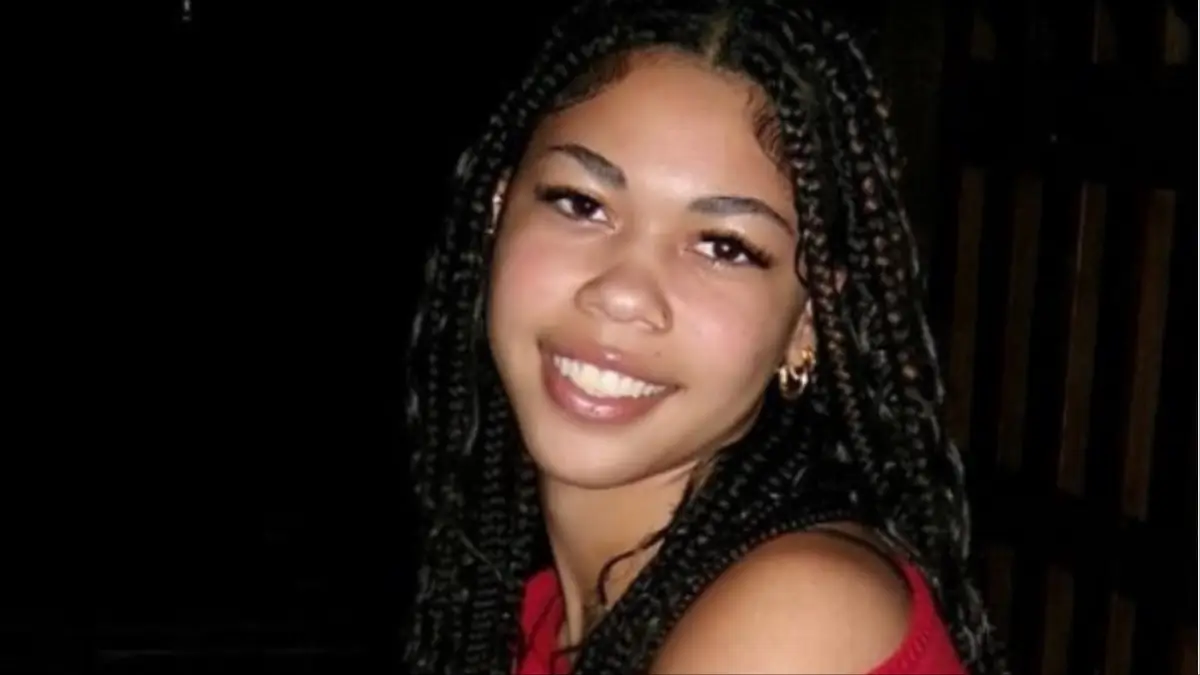
The air in the dense woods of rural Missouri carried a grim weight on that fateful day in May. The tranquility of the conservation area, once a haven for hikers and nature enthusiasts, was now the site of a profound tragedy. Sixteen-year-old Kayla Huff’s lifeless body was discovered there, bringing forth a torrent of grief and outrage. Her disappearance had been reported on May 6, mere days before her body was found. The circumstances surrounding her death have ignited discussions about safety, community, and systemic failures that allowed this heartbreaking situation to unfold.
Kayla was described by her family and friends as a vibrant young girl with her whole life ahead of her. The day she went missing, her parents reported their concerns to local authorities; however, the response was met with a delay that many would argue is emblematic of a larger issue within law enforcement. It took hours for the police to act and track down the individuals close to her, setting the stage for a chilling sequence of events. By May 7, four adults with known ties to Kayla had been apprehended, but as the investigation continued, it became clear that the situation was far more complicated than initially perceived.
The alleged ringleader, now held without bond at the Randolph County Jail, remains a focal point of the investigation. Authorities have not only charged this individual with kidnapping but also with murder, raising a multitude of questions. What drove these individuals to such an extreme act? Was there a motive rooted in deeper issues, and importantly, who benefits from a narrative that paints Kayla solely as a victim rather than a young girl caught in an intricate web of social dynamics?
The racial dynamics at play in this case cannot be ignored. Kayla, a Black teenager, is dead, her life extinguished, while the suspects are predominantly white. This pattern has been seen time and again in America, where the lives of Black individuals are often overshadowed by a violent culture that seems to operate with impunity. The disparity in how cases involving different races are treated within the justice system raises a stark red flag. Are Black lives valued less than their white counterparts? This case demands a careful scrutinization of the systemic biases that could lead to such tragic outcomes.
As the community mourns Kayla, the questions surrounding justice loom large. The initial response from law enforcement revealed cracks within the system. The slow reaction to her disappearance speaks volumes about the sometimes complacent nature of policing in rural areas, particularly when the victim is a Black girl. The community is left to wonder how many more must suffer due to these systemic failures. Are the lives of Black children taken as seriously as those of others? This case is a disturbing reminder of the disparities that persist.
The community of Moberly now finds itself at a crossroads. The investigation has taken on a life of its own, drawing media attention and citizen activism. But as local residents rally for justice, they must also confront the uncomfortable truths that this situation exposes. This isn't just about one tragic death , it's about the systemic issues that allowed it to happen in the first place. The calls for justice must extend beyond simply punishing the individuals responsible for Kayla’s death. They should encompass a broader demand for reform in how law enforcement handles cases involving Black victims.
As the legal proceedings unfold, it’s crucial for the community to remain vigilant. Will the justice system uphold its promise to serve all equally, or will systemic racism continue to dictate the narrative? The upcoming trial will serve as a litmus test for the local justice system and the broader societal attitudes toward race and crime. Those seeking accountability must not only focus on the perpetrators but also challenge the structures that allow such events to take place.
The story of Kayla Huff is not merely a tale of loss; it is a clarion call to examine our values and the systems in place meant to protect our youth. The fact that a young girl could slip through the cracks of a system designed to safeguard her is a stain on the conscience of the community. The deaths of young people should be catalysts for change, not just mournful headlines.
Advertisement
In the wake of this tragedy, the community must lead the charge for a more equitable justice system, one that does not fail Black children like Kayla. Change is often slow, but the urgency of this moment cannot be overstated. Moberly and the nation must not only grieve for Kayla but also commit to action that honors her memory by ensuring no family has to endure a similar heartache. The quest for justice is just beginning, and it’s up to each of us to demand accountability from those in power while advocating for the lives of every child in our communities.
As individuals reflect on Kayla’s story, they are encouraged to consider how they can contribute to a more just society. What systemic changes can be made to prevent such tragedies? How can the community bolster its support for vulnerable individuals? These questions must resonate in the hearts and minds of those who knew Kayla and those who stand in solidarity with her family. The tragic end of a young life should be a rallying point for change, pushing society to create a future where all children can thrive, free from fear and violence.