What Happened to the Chef Who Refused to Pay: A Houston Tragedy
By Tanya Brooks, PowerVault Staff The scene was a stark reminder of the fragile line between life and death, caught in the heart of Houston, Texas. On a sidewalk outside a hotel on South Highway 6, the air was heavy w...
By Tanya Brooks, PowerVault Staff
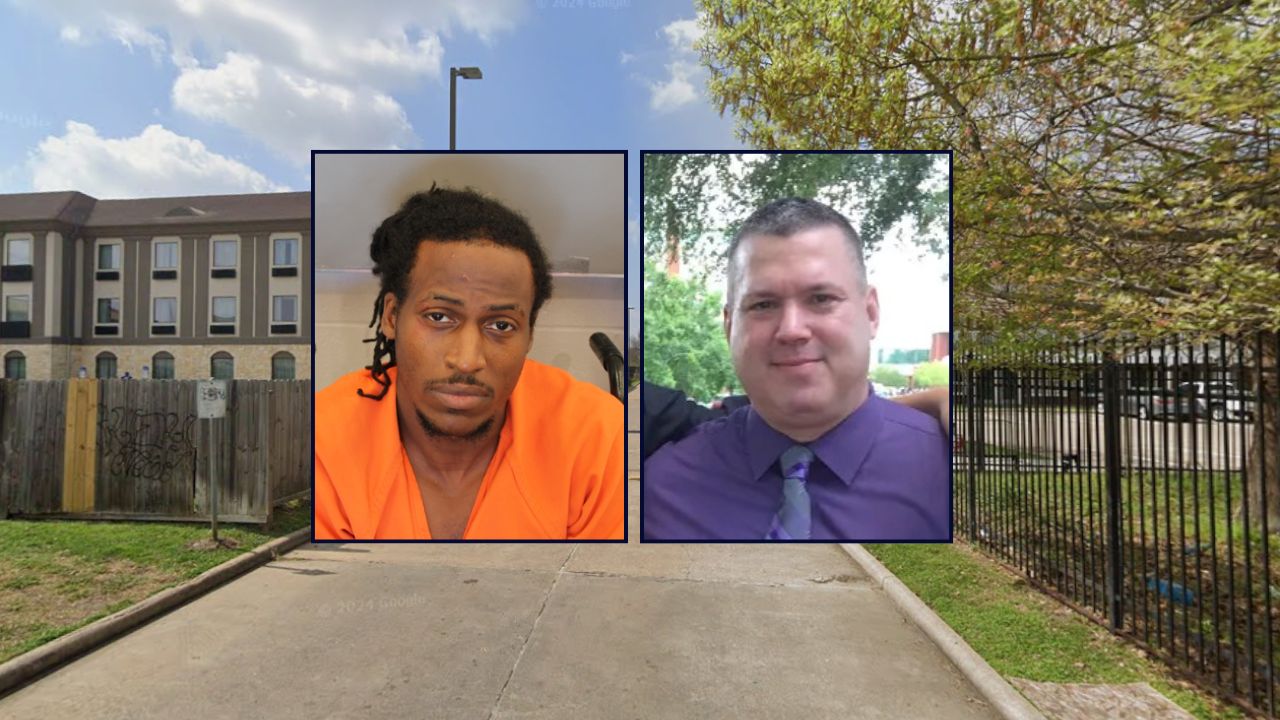
The scene was a stark reminder of the fragile line between life and death, caught in the heart of Houston, Texas. On a sidewalk outside a hotel on South Highway 6, the air was heavy with an impending storm, but no one expected the tragic downpour that followed. John Donat, a chef known for his heart of gold and dedication to feeding the homeless, met a violent end. A life dedicated to serving others was abruptly silenced by a bullet, allegedly fired by Otis Parks.
Donat's commitment to his community went beyond culinary arts. He was a beacon of hope for those struggling to make ends meet. Yet, in a cruel twist of fate, as reported by the Houston police, his refusal to give money to Parks resulted in his untimely death. This incident, more than a senseless act of violence, is a reflection of broader societal issues.
The immediate question is, why did a routine act of kindness end in tragedy? The answer, while simple on the surface, is deeply rooted in a complex web of systemic failures and societal neglect. Donat was not just a chef; he was a reminder of the struggles faced by those living on the margins, and his death highlights the vulnerabilities inherent in being a public servant in a society that often overlooks the needs of its most vulnerable.
In the wake of such tragedies, we are compelled to examine the judicial and social systems that allow these events to occur. Questions arise around the visible and invisible structures that perpetuate violence and neglect. In a city like Houston, known for its economic prowess and vibrant culture, the stark contrast of poverty and wealth can lead to tensions that explode in moments like these.
Parks, now facing charges of capital murder, represents a side of society often dismissed or misunderstood. The alleged shooter, according to the Houston police, approached Donat outside a hotel, demanding money. The refusal led to an altercation that ended in gunfire. The aftermath left a community mourning and a man facing the weight of the justice system.
There's a video circulating on social media that captures the public's response, reflecting the community's grief and anger. It shows the collective mourning of those who knew Donat and those who only knew of his work. The video speaks to the heart of a city grappling with a loss that feels both personal and communal.
For many, this incident is not isolated. It echoes the profound disconnect between public resources and the individuals who fall through the cracks. The tragedy of John Donat and the alleged actions of Otis Parks show the desperate need for systemic change. We must ask ourselves, how many more lives will be lost before meaningful action is taken?
In recent years, similar cases have brought attention to the systemic failures of policing and justice. The A$AP Rocky and Rihanna home shooting case is another example of violence that has touched communities, highlighting the need for reform and more equitable support systems.
The story of Donat and Parks is a reminder of the socio-economic divides that can fuel crime and tragedy. It's a narrative that resonates with the struggles depicted in other cultural touchstones, such as the Lil Durk's legal battles, which shine a light on the intersection of race, class, and justice in America.
The systems meant to protect and serve are often the very ones that fail those who need them most.
Parks' alleged actions and Donat’s death bring to the forefront the urgent need for programs that address mental health, economic disparity, and community support. Without addressing these root causes, we are doomed to repeat these cycles of violence and loss.
Moreover, this tragedy forces us to confront the uncomfortable truth about firearms in America. The prevalence of gun violence in incidents like this one begs the question of how accessible weapons remain, even as the toll of their use becomes ever more apparent.
The conversation must shift from reactive to proactive. Community leaders, policymakers, and citizens need to engage in dialogues that focus on prevention. Investments in mental health resources, economic opportunities, and community safety nets are essential steps towards ensuring that individuals like Parks receive the support they need before resorting to violence.
As Houston and beyond grapple with the aftermath, the hope is for a future where community service is met with gratitude, not violence. The memory of John Donat proves the resilience and generosity of the human spirit, a flicker of hope that, even in the darkest times, kindness can light the way.
In closing, we must ask ourselves what kind of society we want to build. One where tragedies like this are the norm, or one where they become relics of the past. Let Donat’s legacy inspire a movement towards meaningful change, ensuring that his death was not in vain but rather a catalyst for a better, safer community for all.
Reflecting on this tragedy, it becomes clear that we must remain vigilant in our pursuit of justice and reform. We owe it to John Donat, to those he served, and to the countless individuals who continue to fight for a better tomorrow.