Why Ryan Coogler’s ‘Sinners’ Is a Love Letter to Black Music and Culture
By Jasmine Reed, PowerVault Staff In the dim glow of string lights, the air thick with anticipation, Delta Slim leans in, breaking the silence like a whisper of history. "Tell ’em who you are, where you from," he urge...
Advertisement

By Jasmine Reed, PowerVault Staff
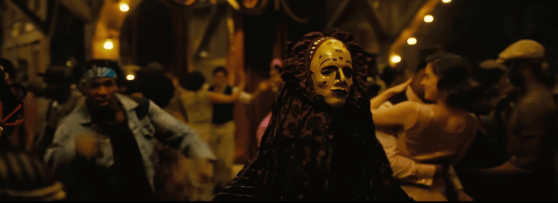
In the dim glow of string lights, the air thick with anticipation, Delta Slim leans in, breaking the silence like a whisper of history. "Tell ’em who you are, where you from," he urges Sammie in a moment that feels deeply ancestral, almost ritualistic. This isn’t just a line in Ryan Coogler’s latest masterpiece, Sinners; it’s a clarion call to connect to our roots, our culture, and the musical legacy that has shaped generations of Black voices. As the Surreal Montage unfolds, we are swept away on a sensory journey that transcends time and space, revealing the intricate connections between modern Black music and its ancestral underpinnings.
Sinners isn’t just a film; it's a cultural statement. Coogler, known for his powerful storytelling in films like Black Panther and Fruitvale Station, continues to show that he understands the weight of representation and the necessity of grounding our narratives in the rich soil of our heritage. In this cinematic feast, we witness a vibrant tapestry woven from the threads of history, joy, pain, and resilience that characterize Black musical expression. From the pulsating rhythms of African drumming to the soulful melodies of today’s R&B, Coogler’s vision is a reminder of the ongoing dialogue between past and present.
As the montage dances across the screen, viewers are reminded of the ways in which Black music and dance serve as vessels for storytelling. The visual spectacle is both a celebration and an exploration, where movement becomes a language, and every beat resonates with the echoes of those who came before. This portrayal of Black artistry isn’t just an aesthetic choice; it's a powerful reclamation of culture that prompts the audience to question their own narratives. Who are we, if not the sum of our stories? Coogler’s work invites us to reflect on the music that has shaped our identities and the dance that has chronicled our journeys.
What makes Sinners particularly compelling is its intersection with contemporary cultural conversations. The film comes at a time when Black artists in various genres are reclaiming their narratives, often pushing against the constraints of mainstream acceptance. The rise of Afrofuturism and the resurgence of interest in Black history and identity provide a fertile ground for Coogler’s message. It’s no coincidence that as we strive for elevation in society, our art becomes increasingly rich and layered, showcasing our complexities.
But let’s not ignore the social dynamics at play. The film industry is rife with systemic challenges, particularly for Black creators. Coogler’s projects remind us that the struggle is not merely to tell our stories but to ensure they are told authentically and with respect to the cultural ethos they originate from. There’s a palpable tension between commercial viability and artistic integrity that Black artists often navigate daily. Coogler’s commitment to elevating Black experiences in a way that does justice to their depth suggests that the tides may finally be shifting in Hollywood.
Ultimately, Sinners is not just for viewing; it’s an experience that calls for participation. Coogler asks us to engage, to lean into the discomfort of our histories while celebrating the beauty of who we are today. As viewers, we are challenged to ask ourselves: How do we honor our ancestors in the way we live our lives? How do we continue to amplify Black voices, not just in entertainment but in every corner of our society?
The connections that Sinners draws between the ancestral and the modern not only enrich the narrative but also highlight the ongoing legacy of Black music. It’s a continuum of expression that has evolved yet remains intimately linked to the struggles and triumphs of those before us. The film serves as a reminder that every note sung and every dance performed is a tribute to those who laid the foundation.
Advertisement
As we absorb Coogler’s artistry, it’s crucial to consider what comes next for Black cinema and music. Are we ready to support films that reflect our reality authentically? Are we prepared to champion artists who delve into their histories to inform their craft? The success of Sinners could pave the way for more stories that refuse to shy away from the complexities of Black existence. We’ve seen it before,the cultural renaissance that emerges when Black narratives are at the forefront. The industry can and must do better, but it requires our support and our voices to ensure that these stories are told, celebrated, and remembered.
In the end, Sinners is more than just a film; it’s a mirror reflecting the complexities of Black identity and the vibrant legacy of our music and dance. As we look to the future, let’s commit to keeping that dialogue alive,one film, one song, one dance at a time. The question is not just what Coogler will do next, but what will we do with the inspiration he has ignited in us? The power of our stories is in our hands, and it’s time we all take ownership of that narrative.