WNBA Playoff Shake-Up: Liberty's Late Surge and What It Means for the League
By Renee Fontaine, PowerVault Staff Inside the electric atmosphere of Barclays Center, the New York Liberty are weaving a narrative that could redefine the world of the WNBA. The city's pulse quickens as the clock on...
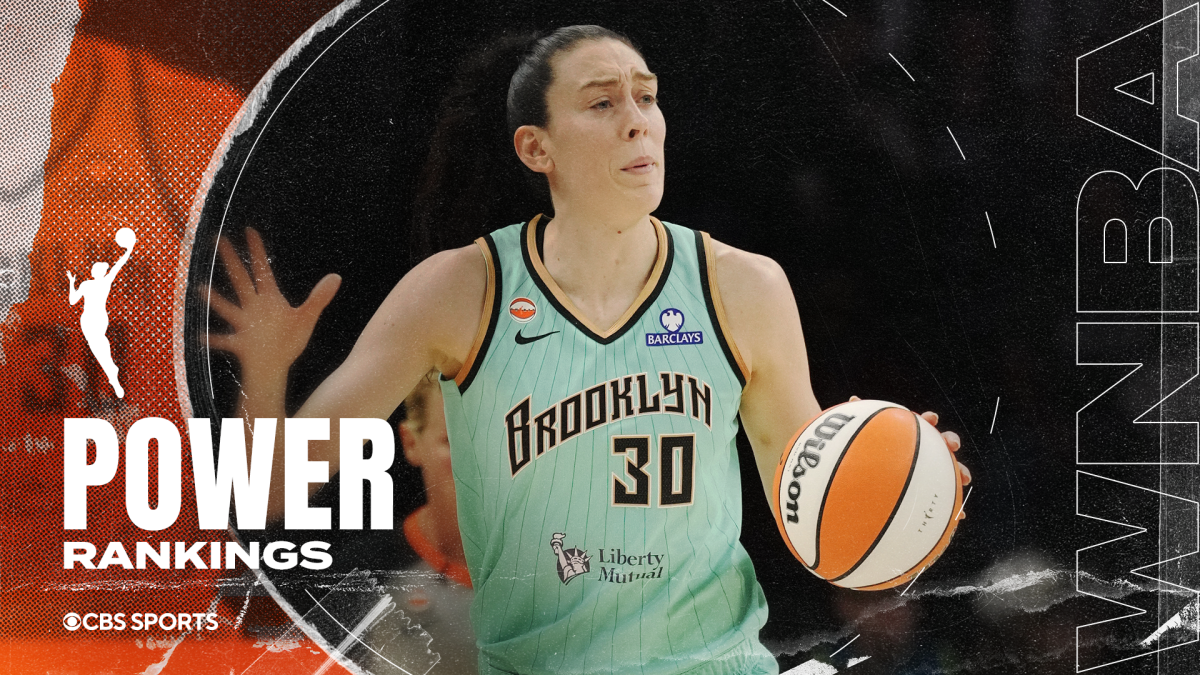
By Renee Fontaine, PowerVault Staff
Inside the electric atmosphere of Barclays Center, the New York Liberty are weaving a narrative that could redefine the world of the WNBA. The city's pulse quickens as the clock on the regular season winds down, and the Liberty, with unapologetic flair, are spearheading an audacious charge towards the playoffs. The stakes couldn't be higher. With only a few days left before the postseason begins, every game feels like a statement, not just of athletic prowess, but of resilience, ambition, and a hunger that transcends the hardwood.
The WNBA's 2026 season has been a rollercoaster of highs and lows, with the Liberty as one of its most compelling storylines. After starting the season with struggles that had many doubting their potential, the Liberty have found their rhythm. They're not just winning games; they're creating a movement. Led by their star-studded roster, including the unstoppable play of Sabrina Ionescu and the gritty determination of Natasha Howard, the team embodies the spirit of a city known for its resilience.
But beyond the on-court heroics, there's a deeper narrative at play. This isn't just about basketball; it's about breaking boundaries in a league that often fights for mainstream recognition. The WNBA's fight for equality is evidenced by players like the Liberty's Breanna Stewart, who not only dominate athletically but also advocate for social justice and equal pay.
As the Liberty climb the standings, one can't ignore the financial implications. A successful playoff run could increase revenues not only for the team but also for the league, which has been striving for financial parity with its male counterpart, the NBA. The Liberty's surge is a reminder that investment in women's sports pays dividends, not just in wins but in cultural capital.
The business of sports is as much about narrative as it is about numbers. The WNBA's growing viewership and increased attendance at games like those of the Liberty are signs that fans are buying what the league is selling: a product that's exciting, relatable, and socially relevant. The Liberty's late-season surge is poetically timed, coinciding with the league's ongoing negotiations for a more equitable collective bargaining agreement.
For the league, the Liberty's ascent is a case study in marketability. The team's diverse roster and metropolitan backdrop provide a perfect canvas for stories that resonate with audiences nationwide. From Sabrina Ionescu's court vision to Betnijah Laney's defensive tenacity, these athletes represent a blend of skill and personality that's magnetic for fans.
What the Liberty are doing is rewriting the script for what it means to be successful in the WNBA. This isn't just a winning streak; it's a declaration. The team’s on-court success is only the tip of the iceberg. Off the court, they are challenging the cultural narratives around women's sports, forcing both fans and stakeholders to reevaluate long-held beliefs. They're doing it with flair, with skill, and most importantly, with an authenticity that speaks to audiences on a visceral level.
Historically, women's sports have been sidelined in the media. The Liberty’s dramatic rise is reminiscent of watershed moments in sports history when marginalized groups broke through barriers. Think of the 1999 FIFA Women’s World Cup, when Brandi Chastain’s iconic celebration became a symbol of empowerment, or when Serena Williams redefined what greatness looks like in tennis, merging athletic achievement with cultural influence.
The Liberty are on the cusp of such a moment. They are not just playing for a championship; they are playing for representation, visibility, and a future where women’s sports are seen and celebrated as equal to their male counterparts. This surge could mark a pivotal shift in the league's trajectory, the kind of shift that could encourage more investment, more coverage, and more kids dreaming of playing in the WNBA.
The Liberty are not just playing for a championship; they are playing for representation, visibility, and a future where women’s sports are seen and celebrated as equal to their male counterparts.
For the Black community, the Liberty’s success is a beacon of hope and representation. With a roster that reflects the diversity of the city, they stand as role models for young athletes who aspire to break through similar barriers. The narrative isn't merely about gender but intersects with race, class, and opportunity. In a sports world predominantly shaped by white executives, teams like the Liberty challenge the status quo, establishing themselves as cultural icons in a broader movement for equity in sports.
As the playoffs approach, all eyes are on the Liberty. Their success raises essential questions about the future of the league and the role of women in professional sports. Will this be the spark that lights the fire for greater investment in the WNBA? Can the league leverage this momentum to push for more significant TV contracts and better sponsorship deals?
The answer lies in how well the stakeholders listen to what’s happening on the court and in the stands. The Liberty’s story this season is not just about them but about the league's capacity for growth and change. It challenges the assumption that women’s sports can’t draw the same passion, loyalty, and financial success as men’s.
Looking forward, it's crucial for the league to build on this momentum. The narrative crafted by the Liberty’s rise needs to echo in boardrooms and broadcast meetings. The league is at a crossroads, and the Liberty's performance could be the catalyst that leads to a more equitable sports scene. As they prepare for the playoffs, they continue to play, not just for a trophy, but for a cause that extends far beyond the final buzzer.