Zhontay Capers Shooting: What Her Case Reveals About Mental Health Failures
By Marcus Ellison, PowerVault Staff The wheels of the SEPTA bus screeched to a halt at the intersection of Germantown and Abbottsford Avenues, one sunlit October morning. As passengers settled into their seats, prepar...
By Marcus Ellison, PowerVault Staff
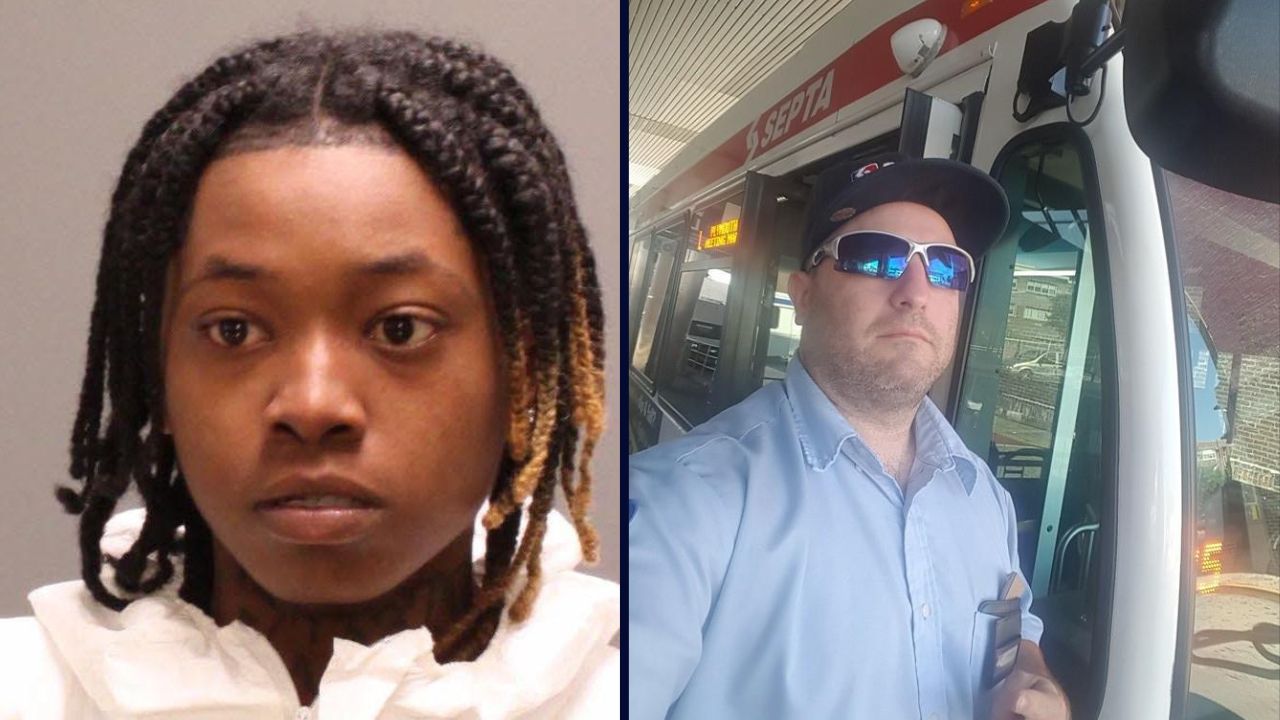
The wheels of the SEPTA bus screeched to a halt at the intersection of Germantown and Abbottsford Avenues, one sunlit October morning. As passengers settled into their seats, preparing for another routine journey, an unexpected eruption of violence shattered the tranquility. Zhontay Capers, a 24-year-old woman, abruptly stood up, brandished a firearm, and unleashed multiple rounds at Bernard Gribbin, the unwary bus driver. The aftermath of this shocking event, captured in raw footage, left a city already struggling with public transit safety issues grappling with yet another senseless tragedy. The incident starkly highlights the unpredictable nature of violence that continues to haunt Philadelphia's public transportation system.
According to local news reports, on October 26, 2023, at approximately 10:30 a.m., bus driver Bernard Gribbin pulled up to a stop as part of his regular route. It was then that Zhontay Capers, without warning, turned her firearm on him, striking him on his right side. As chaos erupted within the confined space of the bus, passengers scrambled for safety, some even resorting to jumping through windows and emergency exits to escape. After initially fleeing, Capers turned back and fired again, ensuring that this act of violence would be fatal. Gribbin, a dedicated 12-year veteran of the Southeastern Pennsylvania Transportation Authority, lost his life in this shocking encounter. Capers has since pleaded guilty to third-degree murder and several counts of reckless endangerment, resulting in a severe prison sentence ranging from 33 1/2 to 67 years, reflecting the gravity of her actions.
Despite the swift resolution of legal procedures, the question that haunts many is why Capers committed such an unprovoked and brutal act. Philadelphia District Attorney Larry Krasner publicly condemned the attack as inexcusable, a sentiment echoed by a community struggling to understand the motives behind this tragedy. His statements on social media encapsulate the widespread disbelief and anger that many residents feel: "All Philadelphians have the right to feel safe on public transit, especially those working to provide these essential services to our city." The incident has left a city grappling with the reality that even the most routine activities, like riding a bus, can turn into scenes of unimaginable violence, raising urgent questions about the safety and security of public transportation systems.
The details of the case are heart-wrenching, painting a vivid picture of chaos and fear. Witnesses recounted scenes of pure terror as passengers, caught in the crossfire, scrambled for safety in a desperate bid to escape the unfolding violence. Many resorted to leaping out of windows and emergency exits, driven by sheer panic. Incredibly, no one else sustained physical injuries during this horrific event. Capers fled the scene immediately after the shooting but was quickly apprehended by law enforcement. Her family later revealed that she had been suffering from a severe mental health crisis, precipitated by the recent death of her grandmother, the very person who had raised her. Despite numerous warning signs, Capers did not meet the criteria for involuntary hospitalization, raising serious questions about the adequacy of mental health intervention protocols in preventing such tragedies.
In a heartfelt public statement, Capers' family expressed deep anguish over what they perceive as a systemic failure to provide the necessary mental health support she desperately needed before the tragedy occurred. They voiced a common concern that resonates with many: the system's inability to intervene effectively in mental health crises. Simultaneously, the SEPTA board has initiated efforts to advocate for stricter penalties against those who assault transit workers, a step towards acknowledging the inherent dangers faced by their employees. Yet, even as these measures are considered, the community is left mourning a beloved bus driver whose life was abruptly and violently taken. The commemorative balloon release by Gribbin's colleagues serves as a poignant reminder of both the personal loss experienced and the broader demand for systemic change in addressing public safety and mental health issues.
The case of Zhontay Capers is not an isolated incident. It mirrors a disturbing pattern observed in various instances across the country, where insufficient mental health resources have left individuals and communities at risk. Similar tragedies, such as the events reported in Idaho, show the dire consequences of a system that fails to provide timely intervention to those in crisis. These stories collectively reveal a systemic failure to identify and support individuals in need before they reach a breaking point. The parallels between these incidents highlight a national issue, where the lack of accessible mental health care and preventive measures contributes to preventable tragedies. They serve as a stark reminder of the urgent need for reform, emphasizing the necessity for comprehensive mental health services to avert future disasters.
This tragic reality is that our systems failed both individuals involved.
The tragic reality is that our systems failed both individuals involved.
The victims in this tragic scenario are, undeniably, twofold. Bernard Gribbin was a dedicated bus driver whose commitment to serving his community was abruptly terminated by an act of violence. His life and contributions were cut short in a senseless attack, leaving a void in the lives of those who knew and loved him. Equally, Zhontay Capers emerges as a victim of a system that failed to provide the necessary support she needed despite evident signs of distress. Her descent into crisis went unaddressed, leading to devastating consequences not only for her but also for the community. This incident highlights the critical need to bridge the gap between potential mental health crises and the availability of accessible support systems. While the justice system's response is crucial, it often arrives too late to prevent such irreversible losses.
Within the transport industry, this case explains the precarious nature of public transit workers' safety. SEPTA's commitment to collaborate with state legislators to enhance protections for their employees marks a positive step forward in acknowledging the risks these workers face daily. However, true change extends beyond legislative adjustments. It demands a cultural shift in how society values and protects those who serve our communities, ensuring their safety is prioritized. The broader discussion must focus on creating environments that recognize and mitigate the risks faced by public transit employees, fostering a culture of respect and protection. The accompanying YouTube video gets into similar cases, prompting critical questions about what further measures can be implemented to safeguard those who dedicate their lives to public service.
For the community, the death of Bernard Gribbin serves as a powerful and painful reminder of the potential consequences of neglecting mental health issues. The grief following his loss is not only profound but is intensified by a collective frustration over systemic failings. Society's responsibility in such cases extends beyond mere punitive measures; it necessitates the creation of environments where mental health concerns are addressed with urgency, compassion, and effective intervention strategies. This tragedy highlights the need for a societal shift towards prioritizing mental health, where issues are tackled proactively to prevent similar occurrences. The community's reflections, captured in the video below, urge us to reconsider how we address mental health and public safety, advocating for systemic changes that ensure tragedies like this do not recur.
Beneath the surface of this tragic event, racial and economic tensions simmer, adding layers of complexity to the narrative. Zhontay Capers’ story, set against the backdrop of Philadelphia's diverse and economically stratified scene, shows significant disparities in access to mental health resources. Many individuals in underrepresented communities encounter barriers that prevent them from obtaining necessary support, often due to systemic inequalities ingrained in our society. These disparities exacerbate the challenges faced by individuals in crisis, leaving them vulnerable and without the help they require. The broader implications of this case highlight an urgent need to address these inequities, ensuring that all individuals, regardless of their racial or economic background, have equal access to comprehensive mental health care.
Looking ahead, the challenge that lies before us is unequivocal: reform the mental health system to reduce the likelihood of tragedies like this one. This task requires more than just legislative changes; it demands a cultural and institutional commitment to prioritizing mental health across all levels of society. As the community gathers to remember Bernard Gribbin, reflecting on his life and untimely death, pressing questions remain. Can justice truly be served if underlying systemic issues remain unaddressed? The hope is that this tragedy will catalyze a critical reevaluation of mental health support structures in America, prompting necessary reforms that prevent future losses. It is imperative that individuals like Zhontay Capers receive the help they need before reaching a crisis point, ensuring a proactive approach to mental health care.