As we navigate through 2026, one thing remains crystal clear: the necessity of elevating Black women’s voices is more crucial than ever. Despite the progress we celebrate, the insidious tide of misogynoir continues to rear its ugly head, manifesting in ways that undermine and dehumanize. This is not just a call to action; it’s a fundamental truth we must all embrace. Black women have long been the bedrock of cultural movements, and their insights are not mere options but essential guides to understanding the complexities of our society.
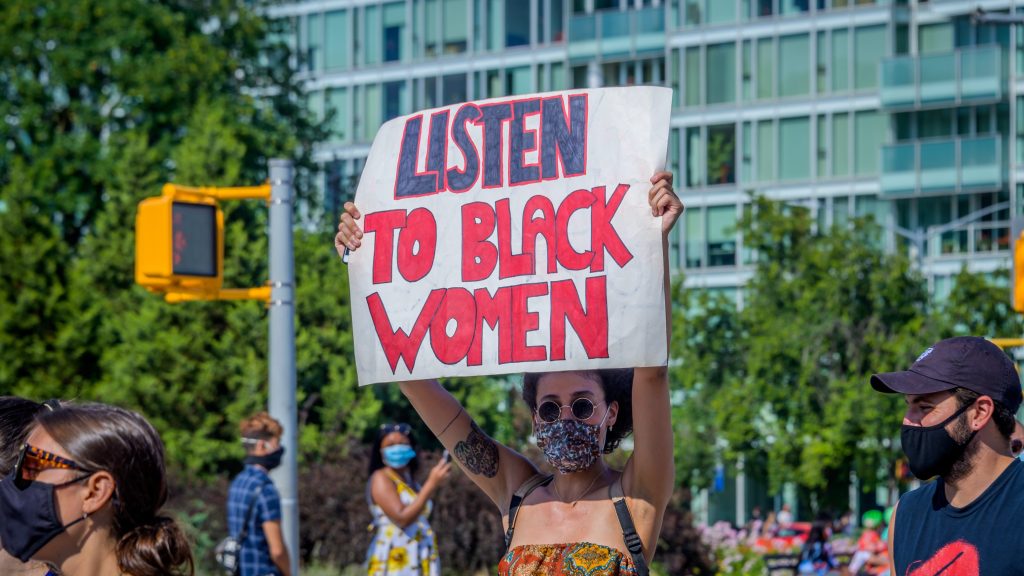
The phrase “Listen to Black women” rings louder today than it has in years. We’ve seen how their narratives shape our cultures and challenge the status quo, yet consistently, these voices are dismissed or sidelined. This dismissive attitude can no longer be tolerated. When Black women speak, they echo the struggles and triumphs of not just their communities but of humanity as a whole. Ignoring them is akin to ignoring the very fabric of our society. It’s a disservice that perpetuates a cycle of oppression and misunderstanding.
Thus, we find ourselves at a critical juncture. Those in power must recognize the importance of actively listening to Black women, not just as a performative gesture but as a vital component of genuine progress. The arts, politics, and social justice movements thrive when they center these voices, which are rich with wisdom, resilience, and an unfiltered perspective on the world. The time for complacency is over; the urgency is palpable. We can no longer afford to be passive consumers of change; instead, we must champion the narratives that challenge us to think critically and act compassionately.
In this era of heightened awareness, let’s commit to amplifying these voices rather than allowing them to be muffled under the weight of misogynoir. Listening to Black women is not just an option; it’s an obligation that can lead to deeper understanding and real transformation. As we forge ahead, let’s ensure we’re not just hearing their words but truly absorbing their messages. This is our collective responsibility, and it’s more vital now than ever.
About The Author