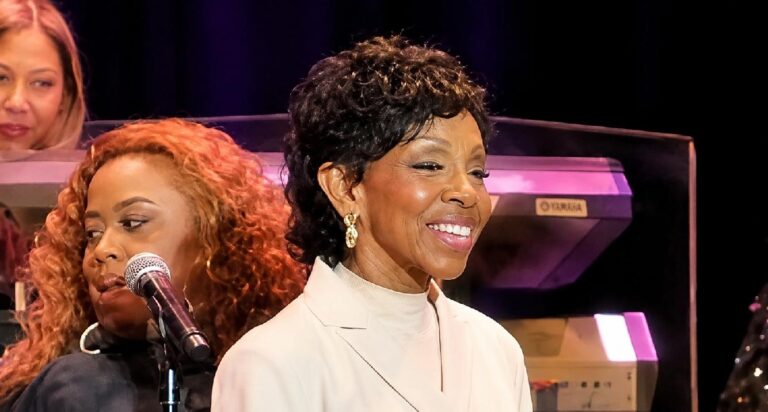
As we step into 2026, with the world promising progress and equality, the echoes of misogynoir reverberate louder than ever. This insidious form of discrimination—targeting Black women with a unique blend of racism and sexism—persists, infiltrating both personal spaces and public discourse. It’s easy to get lost in the notion that we’ve achieved some semblance of justice. But let’s be clear: the urgency to uplift and listen to Black women is not just a call to action; it’s a necessity.
Black women have long been the backbone of movements for change, yet their voices are often drowned out or misinterpreted. The media continues to frame narratives that perpetuate stereotypes, while industries from entertainment to politics overlook the depth and diversity of our experiences. The rallying cry of “Listen to Black women” is not merely a trend; it’s a lifeline. When we amplify their stories, we challenge the status quo, dismantling the harmful ideologies that seek to suppress them. We cannot afford to turn a blind eye; our collective liberation depends on it.
Moreover, as we navigate a landscape where misogynoir feeds into larger societal issues, we must recognize the profound wisdom and resilience of Black women. They offer insights that can guide us through the complexities of race and gender dynamics. It’s time to engage actively, not just to hear their voices but to amplify them. In every corner of society, whether it’s through art, activism, or leadership, Black women are shaping our future.
So, as we look ahead, let’s commit to honoring this vital instruction. The narrative must shift from tokenism to genuine engagement. 2026 should not just mark another year of superficial change; it should be a turning point in our understanding and appreciation of Black women. This is not just about listening—it’s about acting, supporting, and standing in solidarity. If we want a world where everyone thrives, we must ensure Black women are at the forefront. The time is now, and the urgency cannot be overstated.
About The Author