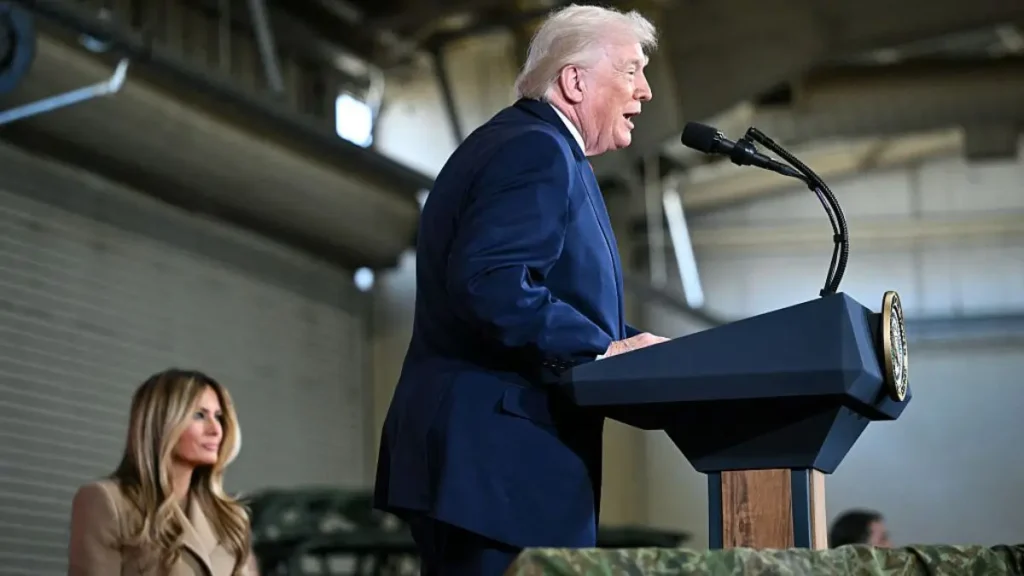
In a recent episode of 60 Minutes, Donald Trump found himself on familiar ground: deflecting criticism while taking swings at his opponents. Sitting across from Norah O’Donnell, he expressed outrage at the legal challenges he faces, branding them as a witch hunt, a claim he’s repeated ad nauseam. However, in a moment of irony, Trump’s attack on his critics inadvertently dragged his own notorious past back into the spotlight. For a man who has spent so much time shaping narratives, one might expect a more calculated approach. Instead, he resorted to the sort of rhetoric one might hear from an 8-year-old on the playground, demonstrating a level of emotional intelligence that many would consider concerning.
This particular episode echoed the divisive tactics he has employed throughout his political career, where he often tries to tear down others instead of addressing the issues at hand. Trump’s characterization of his critics reveals not just his disdain for dissent but also speaks volumes about the political climate he has helped cultivate. By labeling the actions of those challenging him as ‘low-IQ’ behaviors, he inadvertently invites scrutiny into his own past actions and decisions, effectively reopening the Pandora’s box of controversies that have surrounded him since he first launched his campaign.
What’s striking is how Trump’s attempt to reposition himself as a strong leader only serves to highlight his vulnerabilities. The same man who has spent years branding others as ‘losers’ finds himself trapped in a cycle of name-calling and deflection, which does little to bolster his credibility. Instead of fortifying his base, such tactics risk alienating moderate supporters who might be searching for genuine discourse rather than playground insults. In this political arena, the stakes are much greater, and Trump’s antics underscore a troubling trend in American politics where substantive debate often takes a backseat to personal attacks.
Ultimately, what this episode illustrates is not just the fragility of Trump’s campaign strategy but also the broader implications for the American political landscape. As he continues to toe the line between bravado and self-sabotage, one has to wonder whether he is aware of the trap he’s set for himself. In turning the spotlight onto his critics and making sweeping generalizations, Trump may have inadvertently reignited discussions about his previous controversies, leaving him scrambling to reestablish the narrative while also facing the very real consequences of his actions. As the race heats up, one thing remains clear: in Trump’s world, it’s always a double-edged sword.
About The Author