In a world where the lives of Black women should be valued as fiercely as any other, the alarming rates of violence against them tell a troubling story. The statistics are jarring, and the narratives often left untold resonate with a haunting familiarity: Black women are disproportionately affected by violence, yet the systems meant to protect them often fall short. When we talk about safety, what does it really mean for those who face the threat of violence daily? Protection cannot merely be a promise inscribed on legislative paper, but a lived reality that acknowledges the unique vulnerabilities Black women face in society.
The crisis of Black femicide embodies the intersectionality of gender and race, highlighting systemic inequities that perpetuate cycles of violence. From intimate partner violence to societal neglect, it’s time we confront the inconvenient truths about our justice system’s failures. These tragedies don’t just represent statistics; they embody lives cut short, families shattered, and communities left to grapple with grief and anger. Instead of just paying lip service, we must demand actionable solutions that address root causes rather than merely reactive measures that treat symptoms.
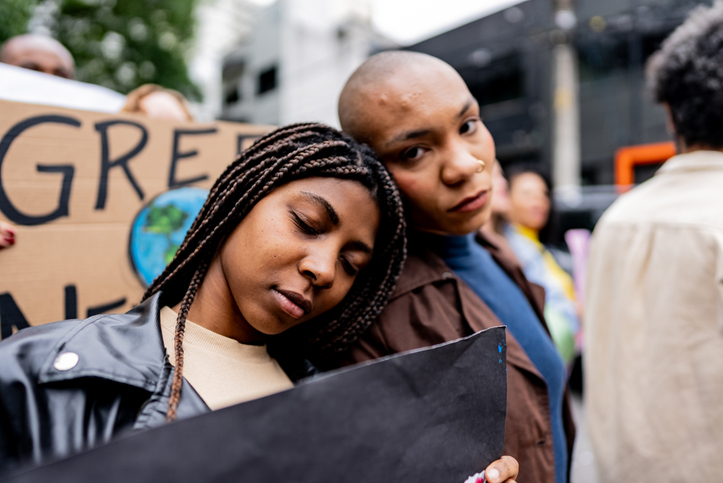
Community-led initiatives are essential in combating this crisis, emphasizing the need for Black women to reclaim their narratives and spaces. Grassroots organizations, advocacy groups, and local leaders are often the first responders in these situations, finding innovative ways to protect and empower those who feel most at risk. By fostering environments where Black women can voice their fears and solutions, we create a collective shield against violence, one that is far more substantial than any piece of legislation could ever provide.
It’s a call to action for all of us—because when one of us is endangered, we all are. As allies, we must amplify the voices of Black women, support movements that fight for their safety, and hold institutions accountable for their inaction. The fight against Black femicide isn’t just a matter of policy; it’s a moral imperative. We can no longer afford to settle for paper promises; it’s time to reclaim our safety through tangible, community-driven change that uplifts and protects Black women at every level of society.
About The Author