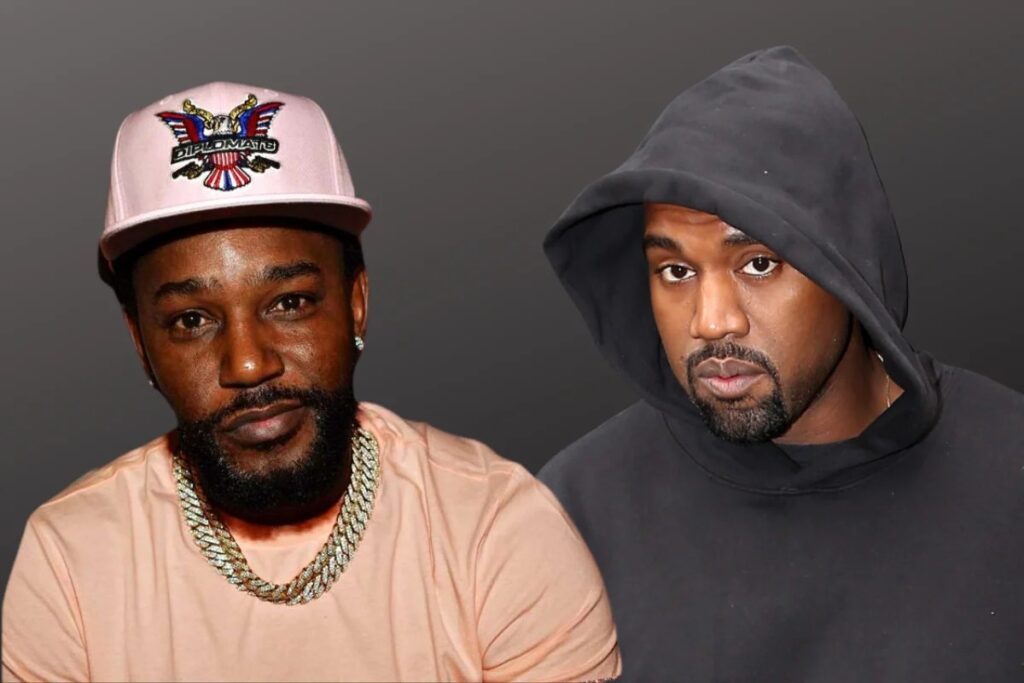
In a recent turn of events, Harlem’s own Cam’ron has stepped into the spotlight with strong words directed at Kanye West, particularly regarding their collaboration on the track ‘Cousins.’ The contentious exchange zeroes in on Kanye’s complicated relationship with his public persona, especially when it intersects with issues of sexuality. Cam’ron didn’t hold back as he criticized Ye for what he deems a selective approach to his identity, claiming that the rapper only leans into LGBTQ+ themes when it’s beneficial to his image or career.
Cam’ron’s comments are rooted in a longstanding sense of authenticity that he feels is crucial in the hip-hop community, emphasizing that artists should own their narratives rather than cherry-picking aspects of them based on convenience. For Cam, this isn’t just about a song; it touches on the broader implications of representation and truthfulness in a culture that often grapples with its relationship to masculinity and vulnerability. As a veteran in the industry, his perspective carries weight, and he isn’t afraid to challenge Kanye’s antics, which have often blurred the lines between genius and controversy.
The fallout from Cam’ron’s remarks has ignited a debate among fans and fellow artists about the responsibilities of public figures in addressing their identities. Some argue that Kanye’s evolution as an artist justifies his shifting narratives, while others resonate with Cam’ron’s call for consistency and accountability. It’s a significant moment in hip-hop, where the intersection of art, identity, and truth is frequently scrutinized and debated.
As for Kanye, he has yet to publicly respond to Cam’ron’s critique, but given his history of unpredictable reactions, the hip-hop community is on alert. The tension between these two artists not only showcases their divergent philosophies but also highlights the ongoing conversation about authenticity in a genre that has long grappled with the complexities of identity and representation. In the world of hip-hop, where every word counts, Cam’ron’s stance is a reminder that sincerity must remain at the forefront, even when the spotlight is blinding.
This situation reflects a pivotal moment in the music industry, pushing artists to confront their truths head-on rather than retreating into a manufactured version of themselves. As fans, we should be prepared for what comes next, as the artistic and personal narratives within hip-hop continue to evolve and intertwine.
About The Author