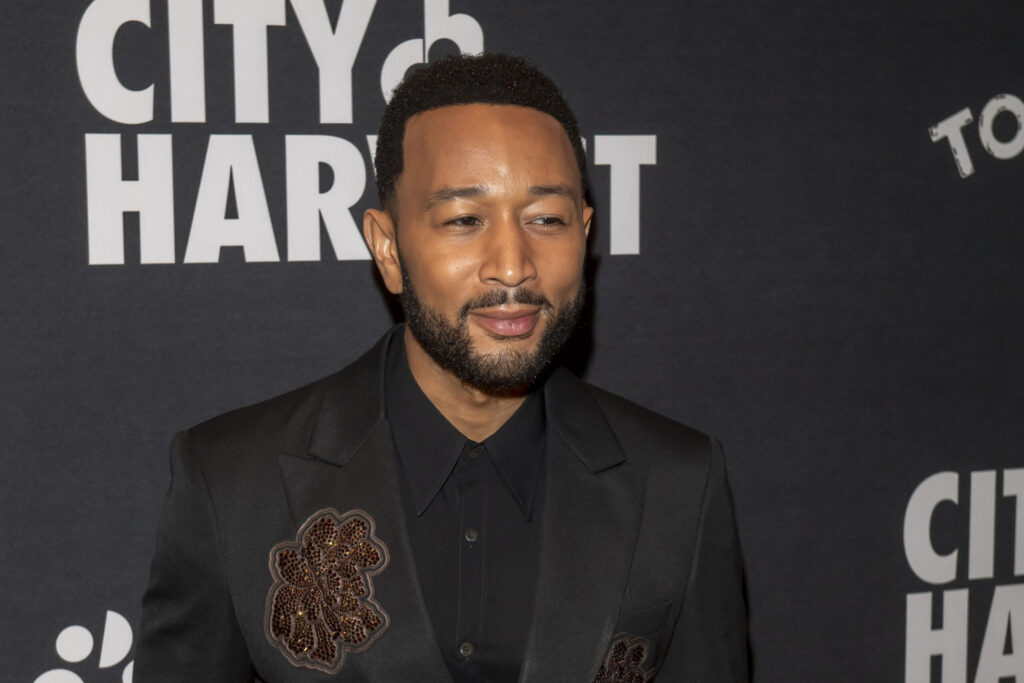
In an unexpected fallout, the performance of fifth-graders in New York City has ignited outrage among city officials and the police union. The young students, inspired by John Legend and Common’s poignant anthem “Glory,” infused their dance with a powerful, albeit controversial, message that involved pantomiming acts of violence related to police encounters. This artistic expression, intended to reflect societal issues, has sparked a firestorm of criticism from those who argue that such themes are inappropriate for children.
City Council member Vickie Paladino has taken a hardline stance, demanding federal investigations into the incident. She claims that the performance not only undermines law enforcement but also exposes children to an adult narrative they are ill-equipped to process. Paladino’s call for scrutiny suggests a deeper concern about the influence of cultural narratives on youth, especially in a city still grappling with complex social and racial issues. Critics argue that the performance was a misguided interpretation of freedom of expression, while supporters contend that it was a brave acknowledgment of the realities many face in their communities.
The police union’s response has been equally fierce, condemning the performance as a blatant attack on law enforcement. They argue that children should not be used as pawns in a larger political debate. This incident raises uncomfortable questions about how to engage young minds in critical discussions about race, justice, and the role of police in society. As the city navigates this controversy, one thing is clear: the conversation around art, activism, and the role of youth in societal discourse is far from over.
About The Author