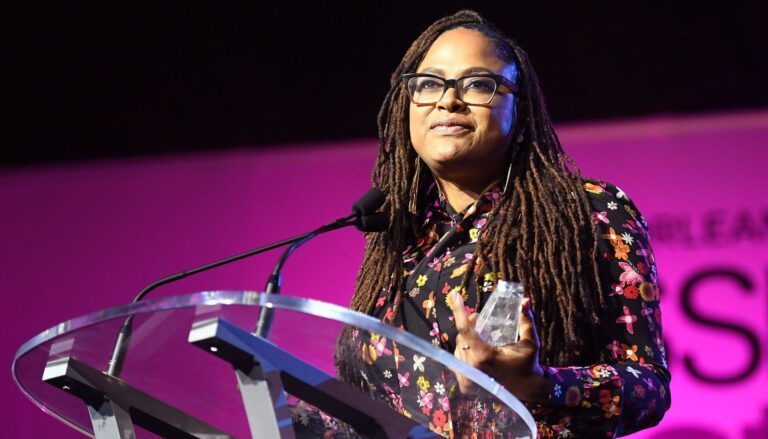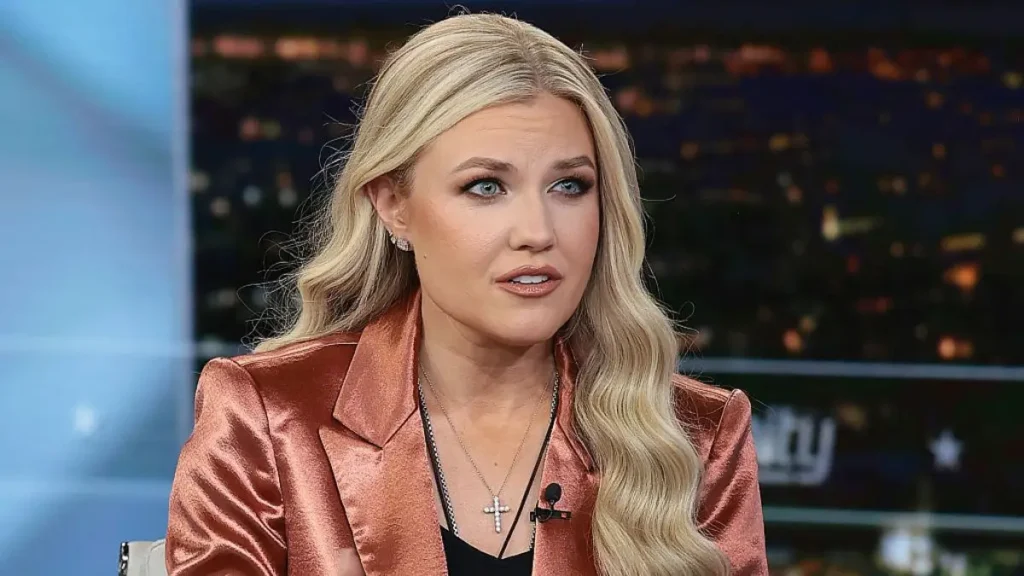
Public sympathy can be short-lived when someone stays in the spotlight long after tragedy strikes. That tension has followed Erika Kirk for months. Emerging from the shadows of hardship, Kirk recently made headlines not just with her story but with her unexpected takes on the comedian Druski and political commentator Candace Owens. During a recent interview, she didn’t shy away from expressing her disdain for both figures, deeming their recent comments as ‘complete nonsense.’ However, Kirk’s fierce defense was slightly undermined by an eyebrow-raising detail in the background that some fans and critics couldn’t help but latch onto.
Kirk’s critique of Druski and Owens resonated with many who feel that both figures have a tendency to misrepresent the struggles and narratives of the Black community for personal gain. Druski, often celebrated for his relatable humor, has faced backlash for jokes that some interpret as tone-deaf. Meanwhile, Owens’ controversial viewpoints have drawn ire across the political spectrum. Kirk’s decision to speak out against them was both brave and polarizing, igniting conversations about the responsibilities of public figures within our community. Yet, it’s important to note that while her intentions may have been sincere, a particular detail lurking in the background — a controversial past post of her own — became fodder for detractors who argued that she might not be the most credible voice in this conversation.
The fallout from Kirk’s comments has been swift, with social media ablaze with opinions on whether she should be in a position to critique others when her own history is under scrutiny. Fans are split; some appreciate her candor and willingness to tackle uncomfortable truths, while others see her as hypocritical, pointing to her previous endorsements of individuals she now criticizes. This duality of praise and critique speaks to a larger issue within our culture: the complex dynamics of accountability and authenticity, especially in an age where every voice carries weight.
As the discourse continues to evolve, one thing is clear: Erika Kirk has managed to keep herself in the conversation, whether as a hero or a villain in the eyes of her audience. The weight of her past coupled with her present commentary offers a rich tapestry for discussion — one that will likely unfold in the months to come as public figures navigate their roles and responsibilities amid a constantly shifting cultural landscape. For Kirk, the journey is just beginning, and the eyes of the community remain fixed, eager to see how this narrative will play out against the backdrop of our collective experience.
About The Author