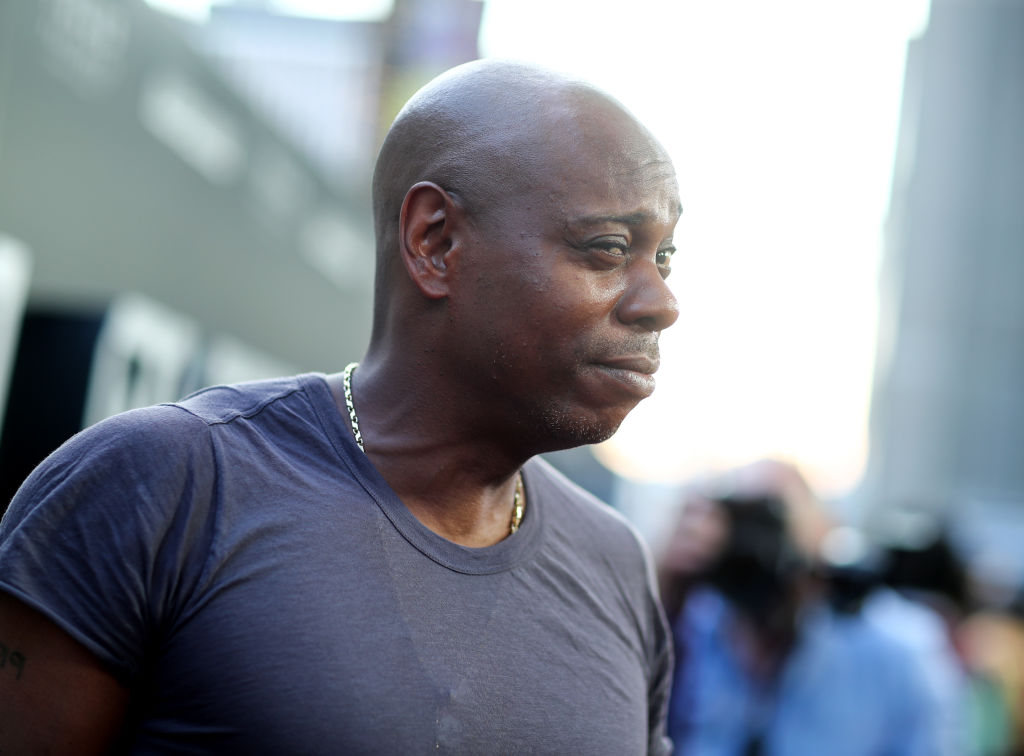
Dave Chappelle (Photo by John Salangsang/Variety/Penske Media via Getty Images)
In a recent conversation about his upcoming comedy show in Saudi Arabia, Dave Chappelle stirred the pot by addressing the backlash he received from various critics. Many have questioned his decision to perform in a country often accused of human rights violations and where LGBTQ+ individuals face severe consequences. Chappelle, however, offered a bold rebuttal, framing the criticism as a double standard that disproportionately targets Black entertainers. He argued that while the U.S. and its corporations have longstanding ties to Saudi Arabia—benefiting significantly from these relationships—his opportunity to perform there as a Black man is seen as controversial.
Chappelle’s perspective encourages a deeper examination of the moral complexities surrounding international partnerships. He suggested that the uproar about his performance stems from the discomfort some feel about a Black man succeeding in spaces often dismissed as exploitative or off-limits. The comedian pointedly remarked, ‘They are mad I can make money off the plantation,’ hinting at the historical context of Black individuals navigating and thriving within systems designed to marginalize them.
This discussion brings to light the nuances of artistic freedom and economic opportunity in a globalized world. Chappelle’s stance also serves as a larger commentary on how cultural icons can wield their influence and challenge societal norms. His remarks provoke an essential dialogue about accountability, ethics, and the realities of performing in a world where morality often clashes with financial incentive.
As Chappelle prepares to take the stage, his critics will likely remain vocal, but his position highlights a crucial truth: the entertainment industry is rife with contradictions, and sometimes, a Black artist’s success in an unexpected arena can shine a light on deeper systemic issues. Ultimately, the conversation surrounding his Saudi show is not just about one comedian’s choices but reflects broader questions of representation, power, and the legacies we inherit.
In the end, Chappelle’s willingness to confront these issues head-on is a testament to his status as not just a comedian but a cultural commentator, prompting audiences to consider the intersection of race, privilege, and profit in today’s entertainment landscape.
About The Author