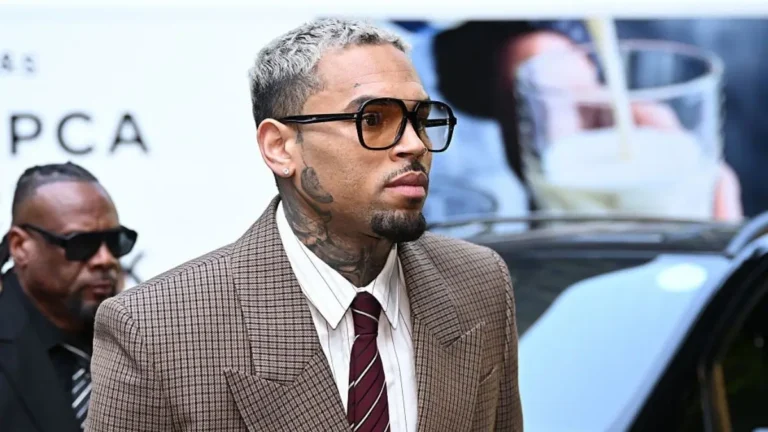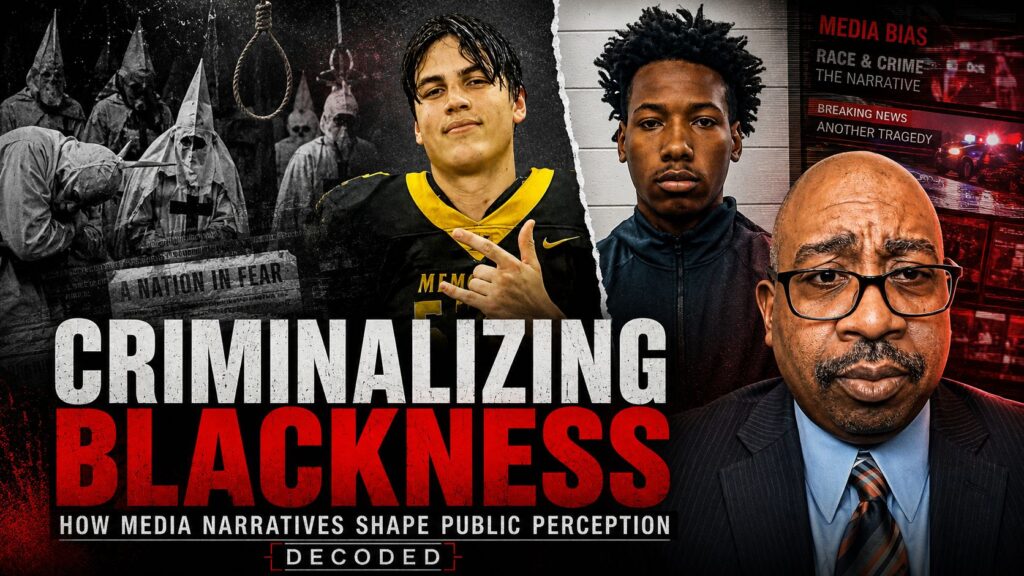
In a society where media narratives play a powerful role in shaping public perception, Dr. Travis L. Dixon’s insights are especially vital. His analysis of the case involving NBA star Karmelo Anthony sheds light on how racial stereotypes surrounding Black criminality are propagated and reinforced by mainstream outlets. When police were called on Anthony in a situation that quickly escalated, the response from the media was telling. Instead of focusing on the nuanced realities of the incident, headlines and reports leaned heavily into the sensationalism of a Black male athlete facing law enforcement. This focus not only risks misunderstanding the full context of events but also perpetuates harmful stereotypes about Black men as inherently suspicious or dangerous.
Dr. Dixon argues that these narratives do not exist in isolation; rather, they are part of a broader framework of systemic racism embedded within the media. This framework often portrays Black individuals as criminals, regardless of evidence or context, which in turn informs public opinion and policy. The swift rush to judgment in Anthony’s case exemplifies how the media can frame narrative arcs that reinforce the idea of Black criminality while ignoring the personal stories that lie beneath the surface.
The implications of this media approach are profound, influencing not only public perception but also the lived experiences of Black individuals navigating a society weighted against them. For Karmelo Anthony, a well-known figure, the repercussions of a single incident can ripple through his career and personal life. However, for countless others who may lack such visibility, the stakes are even higher—often leading to wrongful assumptions and harsh consequences in their daily lives.
In closing, Dr. Dixon’s work serves as a crucial reminder of the responsibility that media holds in shaping narratives. It calls for a more nuanced understanding of incidents involving Black individuals—one that acknowledges their humanity while challenging the dominant stereotype of Black criminality. In a time when social media can amplify narratives at breakneck speed, it is essential to approach these stories with a critical lens, ensuring that we aim to decode the complexities of race and responsibility rather than revert to outdated and damaging clichés.
From The Source
About The Author