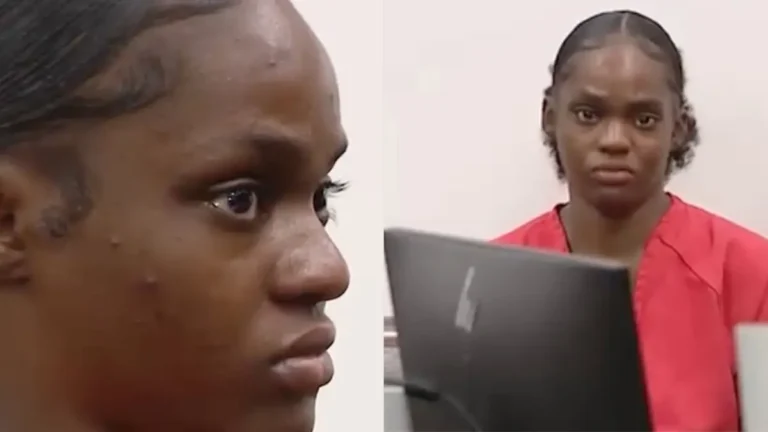
In a chilling turn of events that raises serious questions about police conduct and accountability, the family of a woman who fell into a coma following her arrest by Evanston police is demanding the release of body camera footage from the incident. The woman, who has not been publicly named, reportedly suffered significant brain damage during her encounter with law enforcement, sparking outrage and concern within the community. This tragic situation has ignited a call for transparency and greater scrutiny of police practices, as family members seek answers about what really happened during that fateful encounter.
Eyewitness accounts suggest that the arrest, which occurred in the early hours of a Saturday morning, involved a chaotic scene that left many in the vicinity disturbed. Questions linger about the methods employed by the police and whether proper procedures were followed. Advocates for the family argue that without the release of the body camera video, the truth may remain obscured, thus denying the family the closure they desperately need. The demand for accountability is not just about this one incident; it reflects a broader concern in communities across America about the relationship between police and the people they serve.
With the family now taking legal action to compel the release of the footage, the case has garnered significant media attention, adding to the growing discourse surrounding police accountability. Many in the community are rallying around the family, advocating for justice and a thorough investigation into the circumstances of the arrest. They are not just seeking answers for themselves, but also for others who have faced similar fates as a result of police encounters.
As this case unfolds, it serves as a stark reminder of the ongoing struggles for justice and transparency in our society. The release of the body camera video could potentially shed light on the incident and provide crucial details that may reveal whether there was any wrongdoing on the part of the police. In a world where accountability seems all too often elusive, the family’s fight for the truth echoes a larger movement demanding reform and justice in law enforcement practices nationwide. It’s a call to action that resonates deeply in a time when the voices of the marginalized are finally being heard and demanding change.
About The Author