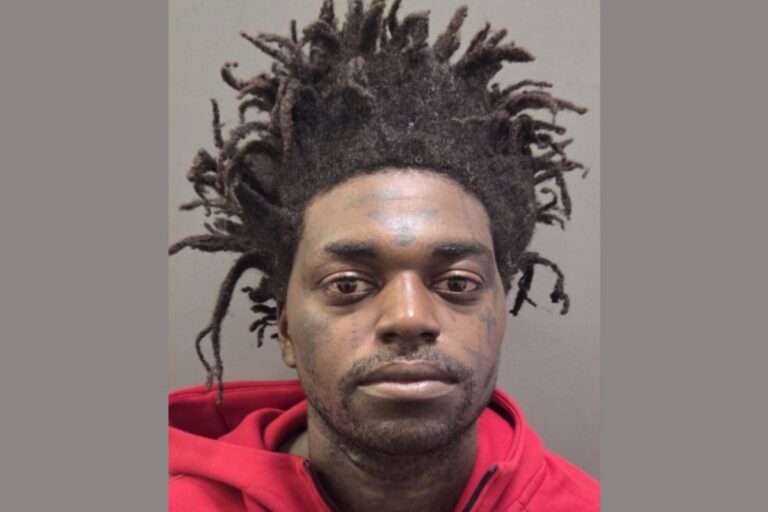
The courtroom scene was electric as Detective Trey McCulla dropped bombshell revelations during the closing arguments of the murder trial. The tension palpable in the air, McCulla pointed to the undeniable connection between the slain rapper Julio Foolio and the Six Block gang, a group that has cast a long shadow over Jacksonville’s hip-hop scene since its official recognition in 2019. Foolio’s rise to fame is intertwined with the gritty realities of street life, and the courtroom drama only serves to highlight how deeply embedded these conflicts are within the culture.
Foolio wasn’t just a name in the music game; he was a figurehead, a representation of both the allure and the danger of a lifestyle that many young Black men find themselves drawn into. The detective’s testimony painted a portrait of a world where loyalty to the gang outweighed all else, a stark reminder of the struggles that often accompany success in the hip-hop industry. As the prosecution and defense clashed over the implications of these ties, it became clear that this trial is not just about crime; it’s about the narrative that surrounds artists like Foolio and the systemic issues that continue to plague our communities.
As the prosecution pushed for a conviction, they highlighted the grim realities faced by those immersed in gang culture. Foolio’s music, rich with references to his experiences and the rivalries that came with them, inadvertently served as evidence of the life he led—one filled with both triumphs and tragedies. It’s a narrative familiar to many in the audience, resonating deeply with those who know all too well the weight of street ties and the consequences they bring. Hip-hop has always been a mirror to society, reflecting the struggles, triumphs, and often, the heartbreaking realities that come with it.
This trial is more than just a legal proceeding; it’s a commentary on the systemic issues that continue to affect Black communities across America. The dynamics of gang life, the impact of violence, and the quest for recognition and success are all at play, serving as a reminder that every artist’s story is shaped by their environment. Foolio’s legacy, caught in the crossfire of legal battles and life’s harsh realities, serves as a cautionary tale for a generation navigating the complexities of fame and survival.
As the gavel comes down and the jury deliberates, we’re left to ponder not just the fate of those involved, but the broader implications of a culture that too often sees talent extinguished before it can truly shine. The world of hip-hop is a tapestry woven with stories of pain, resilience, and hope, but it’s one that demands change. Only through understanding and addressing these root causes can we begin to write a new chapter—one where artists can thrive without the shadows of violence looming over their legacies.
About The Author