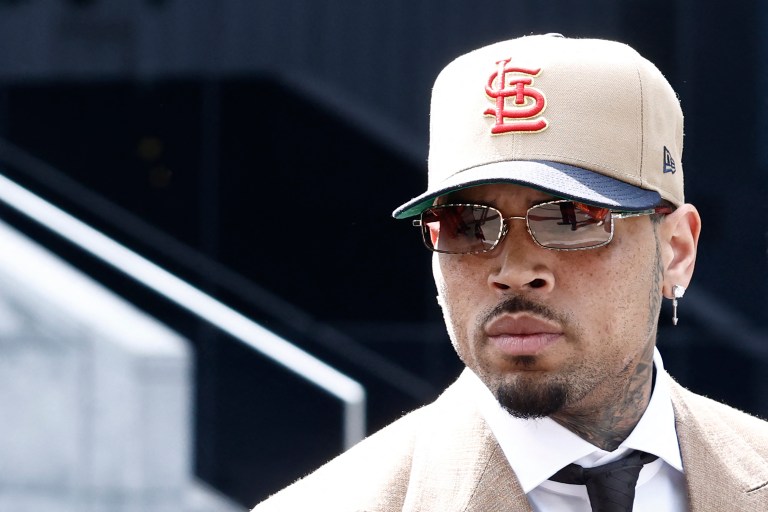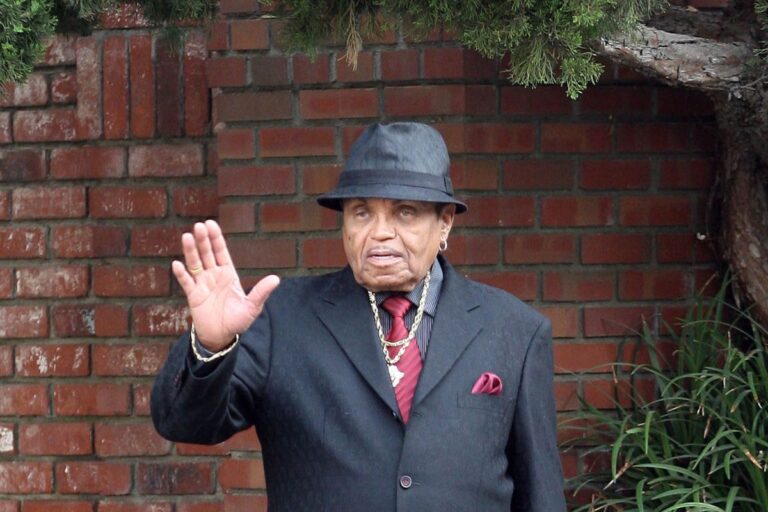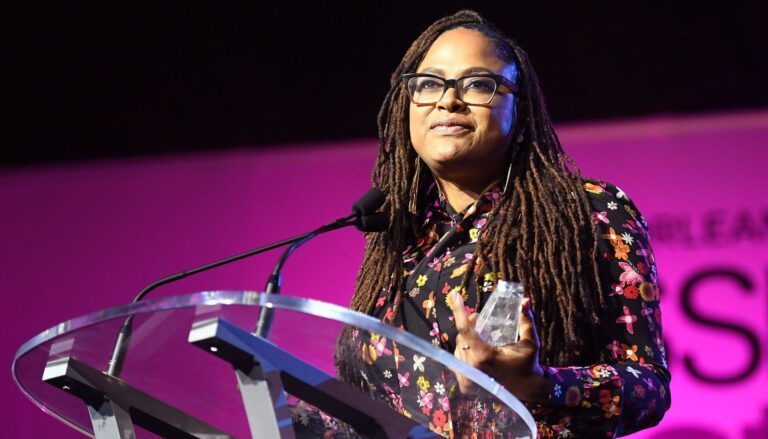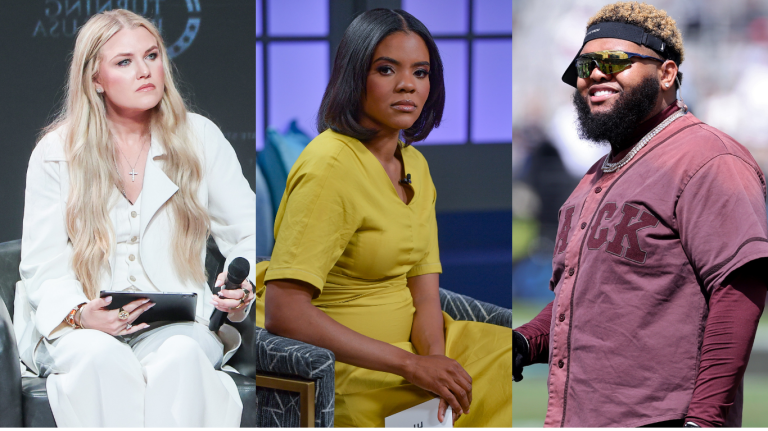
In a wave of social media chatter that has set the online community abuzz, Erika Kirk has taken a firm stand against what she calls “whiteface” comedy, following Druski’s viral skit that playfully mocked conservative women. The skit, which some have criticized as offensive, reportedly drew inspiration from public figures like Kirk herself, leading her to confront the implications of such portrayals head-on. In a passionate response, Kirk articulated her discontent with comedians who, in her view, perpetuate stereotypes under the guise of humor, suggesting that the boundary between comedy and disrespect has been increasingly blurred.
The tension escalated when conservative commentator Candace Owens entered the fray, responding to Kirk by referencing her husband, Charlie Kirk. Owens, known for her provocative statements, seemed to deflect the criticism back toward the originators of such skits, implying that Kirk’s response was more about personal attacks than a genuine call for comedy that respects all individuals. This back-and-forth highlights the complex dynamics at play when humor intersects with identity politics, particularly within the context of race and gender in America.
Social media platforms are buzzing with reactions, as fans and followers weigh in on both sides. Supporters of Kirk argue that comedy should never come at the expense of marginalized groups, while others defend Druski’s intent as harmless satire. The debate raises important questions about the role of comedians and the responsibility they bear when crafting their material. With both sides passionately defending their views, this conversation is far from over, and it reflects deeper societal issues that continue to resonate within the culture.
As we navigate through this dialogue, it becomes clear that the impact of comedy extends beyond mere laughter; it shapes perceptions and can either reinforce or dismantle stereotypes. The clashes between figures like Kirk and Owens demonstrate the ongoing cultural battle over representation and respect in the comedic landscape. As audiences, we are left to ponder the fine line between satire and offensiveness and how our collective sensitivities are evolving in a world that increasingly values inclusivity and understanding.
About The Author